TECHNICAL GUIDE / 2026-10-02
Short answer. Traceability starts with an unambiguous product and lot on each delivery unit. Match the label to the order, PDS, technical sheet and batch result, then record which production run used the lot. This supports receiving, repeat orders and investigations when a result changes.
Make the product identity impossible to confuse
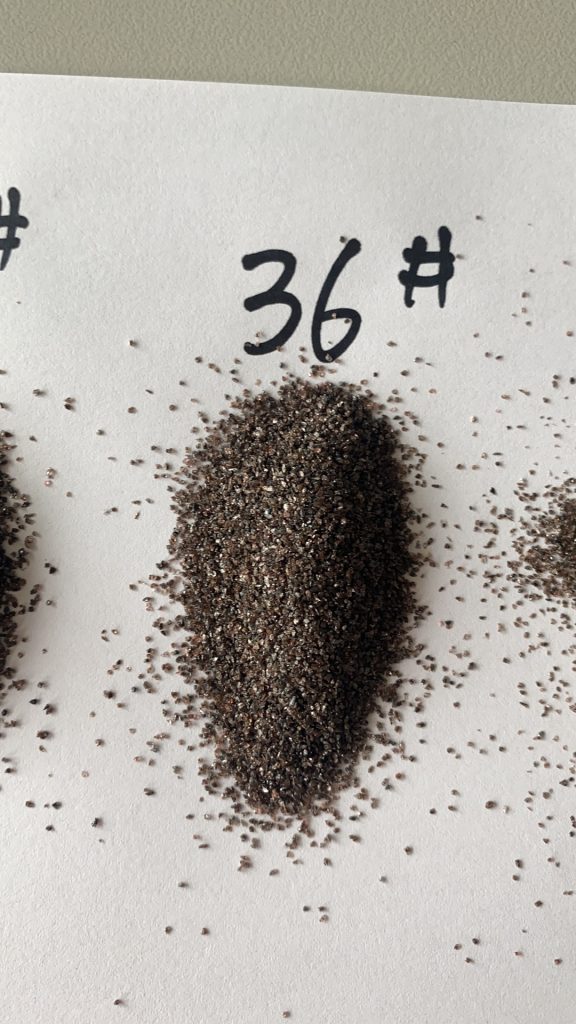
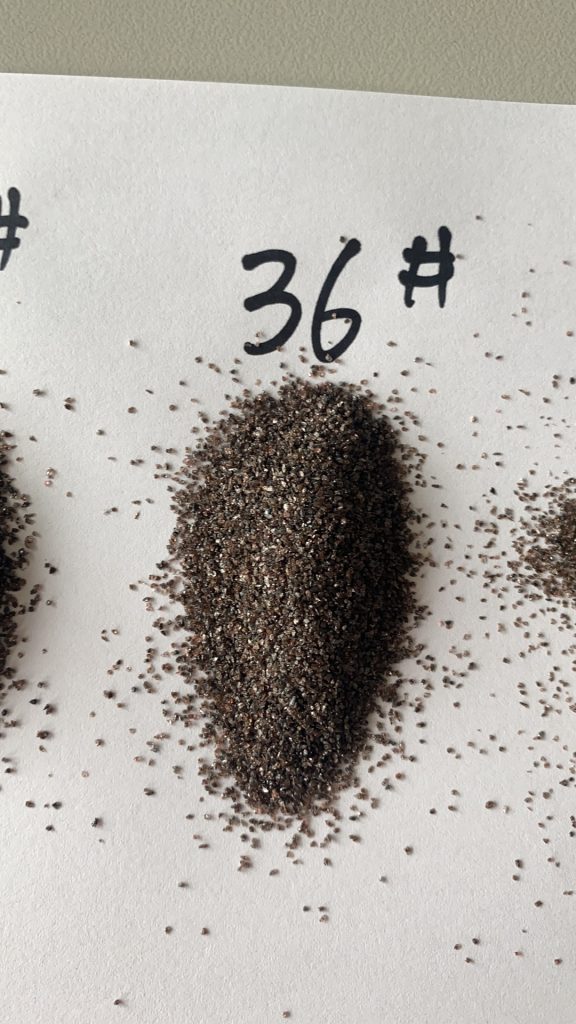
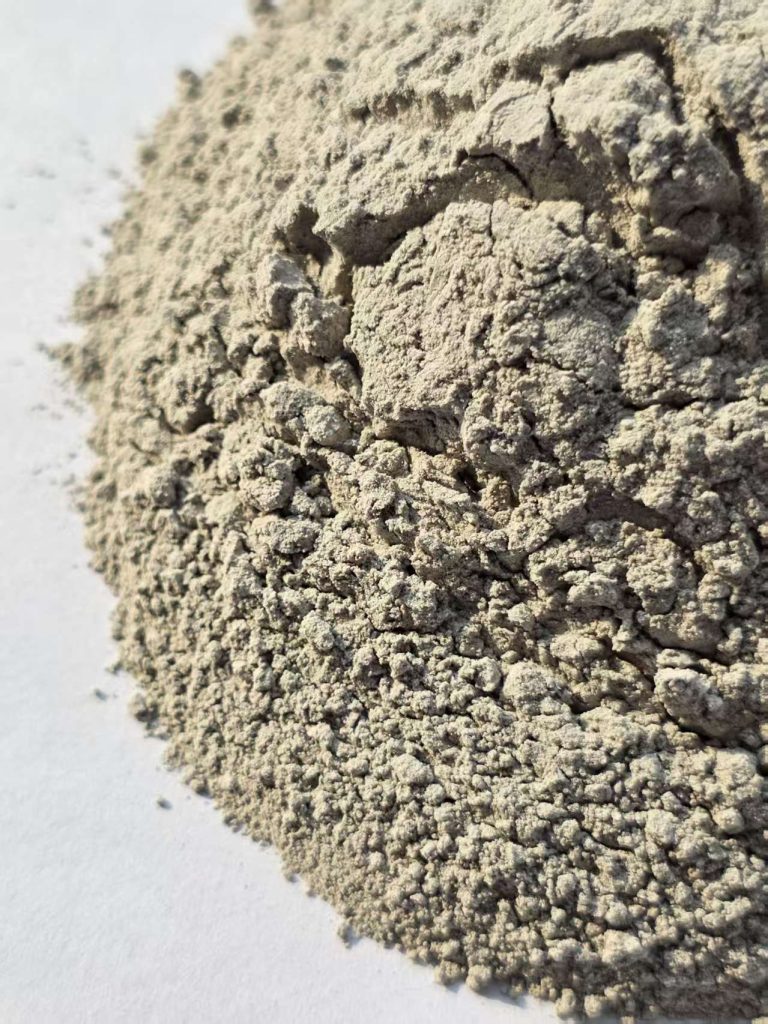
Brown fused alumina may enter a plant as F grit, P grit, refractory grain, fine powder or a specially processed product. Those forms are not interchangeable simply because the material name is shared. A delivery label should carry the complete product designation, grade or fraction, supplier lot and appropriate quantity. A bare '36' could mean the wrong abrasive family; a bag marked only 'fine powder' may not identify the intended refractory product.
Match the label and delivery document to the purchase order before moving the material into production. Confirm the supplier, item code, number of units and condition of the packing. If a container is damaged or its label is unreadable, follow the site's hold and identification procedure. Do not repair an unknown identity by guessing from color or appearance. The cost of a short receiving delay is usually easier to manage than a mixed production lot.
| Identifier | Purpose |
|---|---|
| Complete model | Separates F, P, refractory and powder forms |
| Lot number | Links shipment to batch result |
| Unit quantity | Reconciles order and receipt |
| Document revision | Shows which specification applied |
Link documents to the physical lot
The PDS identifies the proposed product and published data. The agreed technical sheet sets the accepted values for the order. The batch report states measured results for a delivered lot. Keep those documents together by product and lot number. If the report names a different lot or an abbreviated grade, resolve the discrepancy before acceptance. A plausible value on an unlinked PDF is not evidence about the bags in the warehouse.
When sampling the shipment, record the containers sampled, method, date and person taking the sample. Label and retain material as required by the quality plan. If a receiving result is disputed, this chain allows buyer and supplier to compare like with like. Without it, a retest may use a different lot or a mixed sample and create more uncertainty rather than resolving the original question.
| Link | Check |
|---|---|
| Order to label | Model, grade and quantity |
| Label to batch report | Supplier lot ID |
| Sample to shipment | Containers and sampling method |
| Specification to test | Revision and method |
Follow the lot through production
Record where the received material is stored and which manufacturing batch or blasting charge consumes it. If several raw material lots are blended, note the quantities and dates. A finished wheel, belt or refractory test result is easier to interpret when its input lots are known. This is also useful when a supplier proposes a new processing route or a buyer changes grade: the trial can be compared with a specific baseline rather than a warehouse average.
Traceability need not expose customer data on a public website. The operational record should contain only what the plant needs to manage supply and quality. When a product result changes, review the material test, process settings and other ingredients together. The presence of a new lot is a clue, not proof of cause. A clear lot trail makes a fair investigation possible for both buyer and supplier.
| Production record | Why keep it |
|---|---|
| Material lot | Identifies the actual input |
| Quantity used | Shows blending or top-up |
| Process run | Connects settings to result |
| Finished test | Supports a root-cause review |
Use the same identity on repeat orders
After a sample is approved, preserve the exact item name, technical sheet revision, packing and batch-report format in procurement. A repeat order for a familiar grade can still go wrong if a new supplier, changed label or different fraction enters under an old item code. Review deviations before accepting the material as equivalent. Where a custom shape or distribution is approved, make the custom requirements visible to receiving rather than hidden in an email thread.
Send CHAOYAN the complete product identity, accepted sheet, sample need, packaging label requirements and expected delivery pattern. The supplier can provide the corresponding PDS and confirm the batch documentation to accompany shipments. That makes the next purchase easier to verify and gives both parties a common record if a future lot needs investigation.
Selection guidance
Make the full grade or fraction and supplier lot visible on every delivery unit. Link the PDS, accepted sheet, batch report, sample and production record before treating repeat supply as the same material.
Common mistakes
- Dropping the F or P prefix on a bag label.
- Accepting a batch report that cannot be matched to the shipment.
- Mixing lots in production without recording quantities.
- Reusing an item code after a custom processing change without updating its sheet.
Frequently asked questions
Is a product PDS enough for lot traceability?
No. It identifies the product, while the lot label and batch report identify the material actually delivered.
What if two lots are blended?
Record both lot IDs and the quantities used in the production batch so later results can be investigated accurately.