TECHNICAL GUIDE / 2026-10-02
Short answer. A useful RFQ names the exact product family and grade or fraction, intended process, accepted technical limits, sample need, quantity, packing, destination and documentation. Resolve missing test methods before comparing prices from different suppliers.
Define the material in one unambiguous line
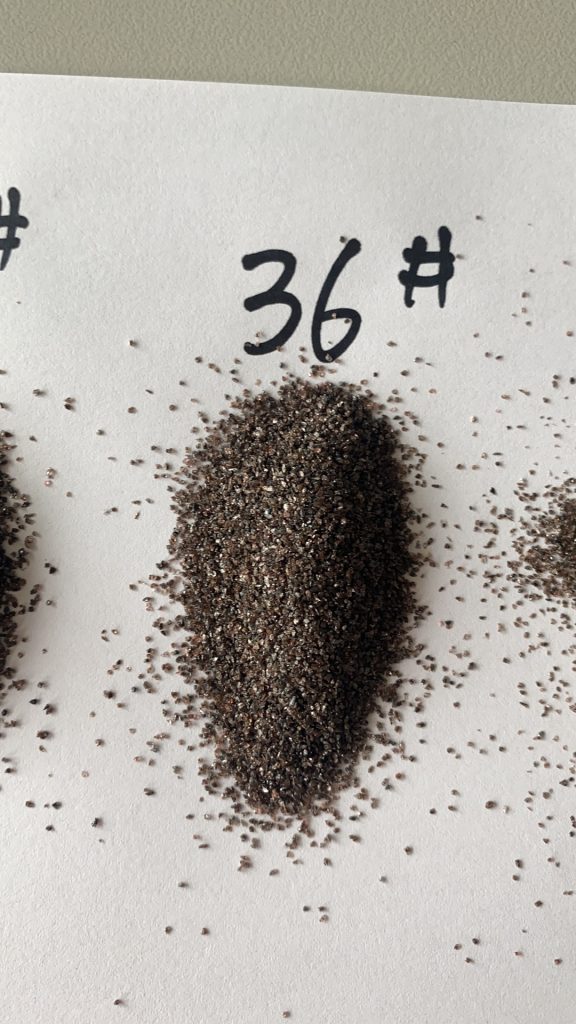
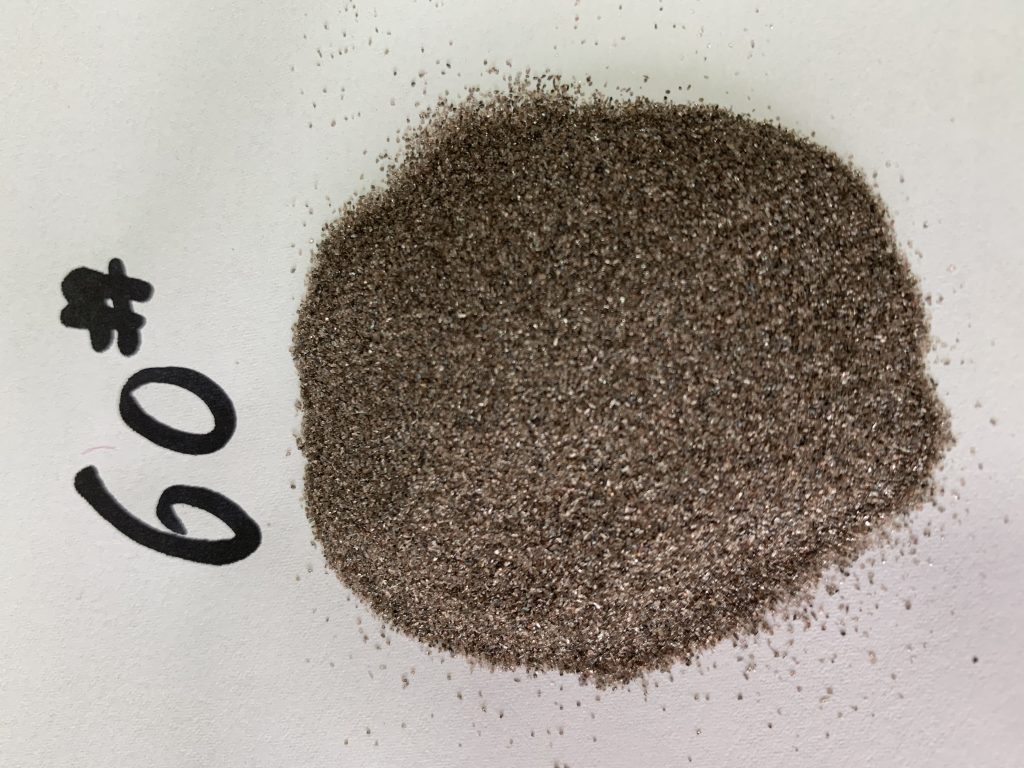
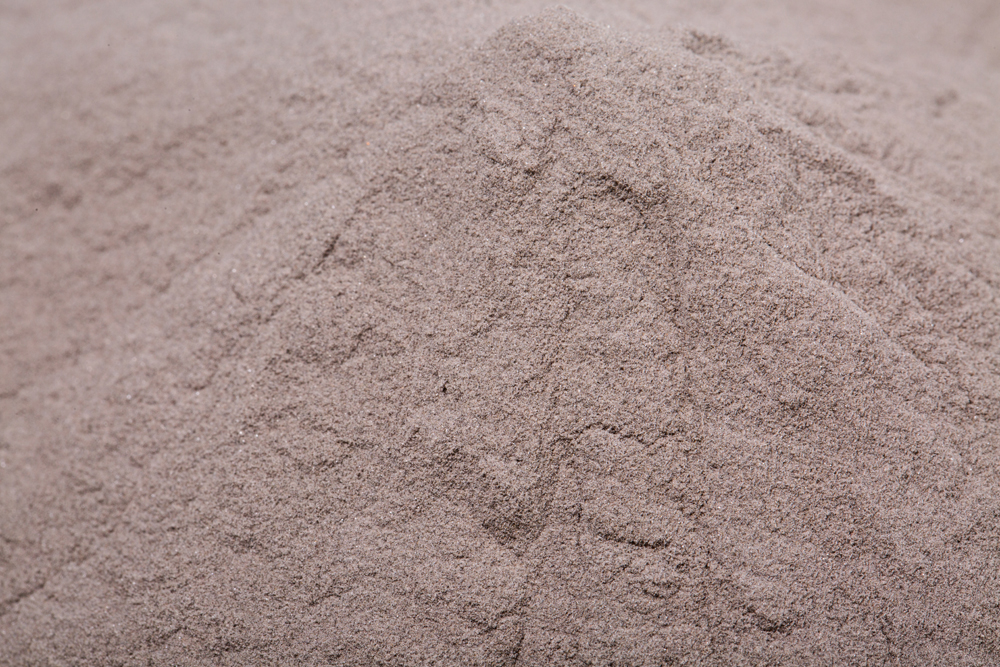
A request for 'brown fused alumina, good quality, best price' invites quotations for different products. Start with the application and product family: F grit for a bonded abrasive or blasting route, P grit for a coated abrasive route, a refractory grain fraction, fine powder or a special processing requirement. Name the complete model or fraction and do not drop the F or P prefix. If the grade is unknown, state the process and provide a current sample rather than guessing a code.
Attach the existing technical sheet when available. If there is no sheet, list the chemistry, particle distribution, physical values and test methods that the buyer actually needs. Mark any unresolved limit as a question for the supplier instead of silently copying a value from a web chart. A quote can only be compared line by line when the suppliers understand the same material definition.
| RFQ block | Minimum useful detail |
|---|---|
| Identity | Product family and exact model or fraction |
| Application | Finished product or process |
| Technical | Limits, units, standard and method |
| Reference | Current sample or supplier sheet |
Separate a sample request from repeat supply
A trial order and an annual purchasing program may need different quantities, packing and timing. Tell the supplier how much material is needed to run a meaningful test and how repeat demand would be structured if it passes. State whether a labeled sample, batch result and PDS must accompany the trial. A small sample that cannot be linked to a supplier lot is difficult to use for later approval.
Describe the acceptance plan for the sample: which raw material checks will be done and which finished process result will decide suitability. If the project is a supplier replacement, keep the incumbent grade and process conditions visible. If it is a new grade or custom material, identify that change separately. Suppliers can then prepare the right material and understand why a quotation alone is not the final approval.
| Order stage | Information to provide |
|---|---|
| Sample | Test quantity and acceptance plan |
| Pilot | Process scale and required documents |
| Repeat | Estimated volume and delivery pattern |
Specify commercial and logistics terms without inventing them
Include destination, requested packing, unit of measure, currency, Incoterm, delivery expectation and payment terms if they have been decided. If they have not, leave them explicitly open for negotiation. Do not insert an assumed port, bank account or certification claim into a template to make an RFQ look complete. Commercial staff should confirm which terms are available for the actual order and route.
Ask for a quotation that identifies the product, unit price, total quantity, packing, validity or lead-time statement if offered, and any technical exceptions. A supplier who cannot meet the requested distribution should say so and propose a separate alternative rather than silently quoting a different grade. Compare offers on the same technical and delivery basis before comparing price. A low price for a different product is not a saving.
| Commercial field | Buyer status |
|---|---|
| Quantity and unit | Confirmed or estimated |
| Packing | Requested format |
| Destination and Incoterm | Confirmed or to be agreed |
| Payment and timing | Confirmed or to be agreed |
Review the response as an evidence set
When replies arrive, compare the exact model, technical sheet, test basis, sample availability, packing and commercial terms. Keep deviations visible in a comparison table. A PDS is useful, but ask for the proposed order limits and batch report format where the public document has only reference ranges or omits a value. If a supplier proposes a custom shape or nonstandard fraction, treat it as a new candidate that needs a sample and its own specification.
Send CHAOYAN the application, model or current sample, target limits, trial quantity, repeat volume and destination through the inquiry form. The product page can preload the model and the site records the source URL, but the buyer should still describe the process and acceptance need. This produces a technical conversation that can lead to a comparable quotation rather than a list of prices for unlike products.
Selection guidance
Write the product identity and material limits before requesting price. Mark open commercial terms clearly, ask every supplier to state exceptions, and compare only offers that describe the same accepted requirement.
Common mistakes
- Requesting a bare grit number without its family prefix.
- Comparing supplier prices without reconciling technical exceptions.
- Treating a sample shipment as proof of repeat supply without lot documentation.
- Inventing bank, certification or delivery terms to fill a template.
Frequently asked questions
Can I request a quote without knowing the exact grade?
Yes. State the intended process, current material or sample and target result so a candidate family and trial can be discussed.
Should every supplier use the same RFQ?
Use a common technical and commercial basis, and ask suppliers to identify any proposed deviation explicitly.