TECHNICAL GUIDE / 2026-10-02
Short answer. Give each brown fused alumina RFQ a controlled revision and list the exact product, F or P designation, limits, test methods, packing and delivery terms. When any requirement changes, send a dated revision to every bidder and obtain a revised response. A quotation against an old sheet should not be compared as if it answered the new request.
Give the request a stable identity
An industrial material RFQ often moves through email, spreadsheet and procurement system attachments. If the buyer changes an F grit grade, chemistry limit or packing method without a visible revision, suppliers may answer different versions of the same request. Assign the RFQ an identifier, issue date, revision and contact owner. Keep the technical sheet in one controlled file or record and refer to it by that identity in every message. A subject line saying updated specification is not enough if two different attachments circulate afterward.
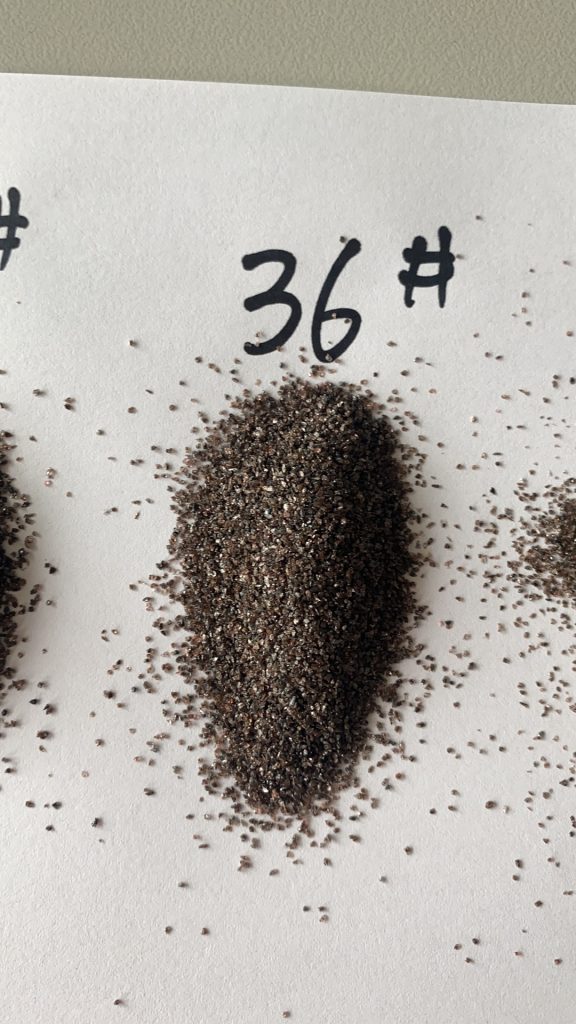
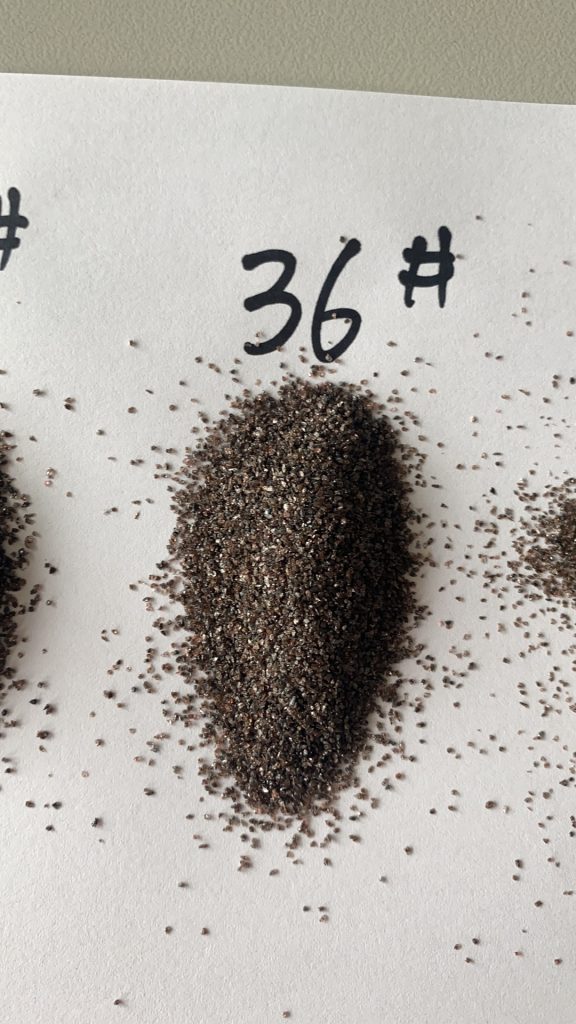
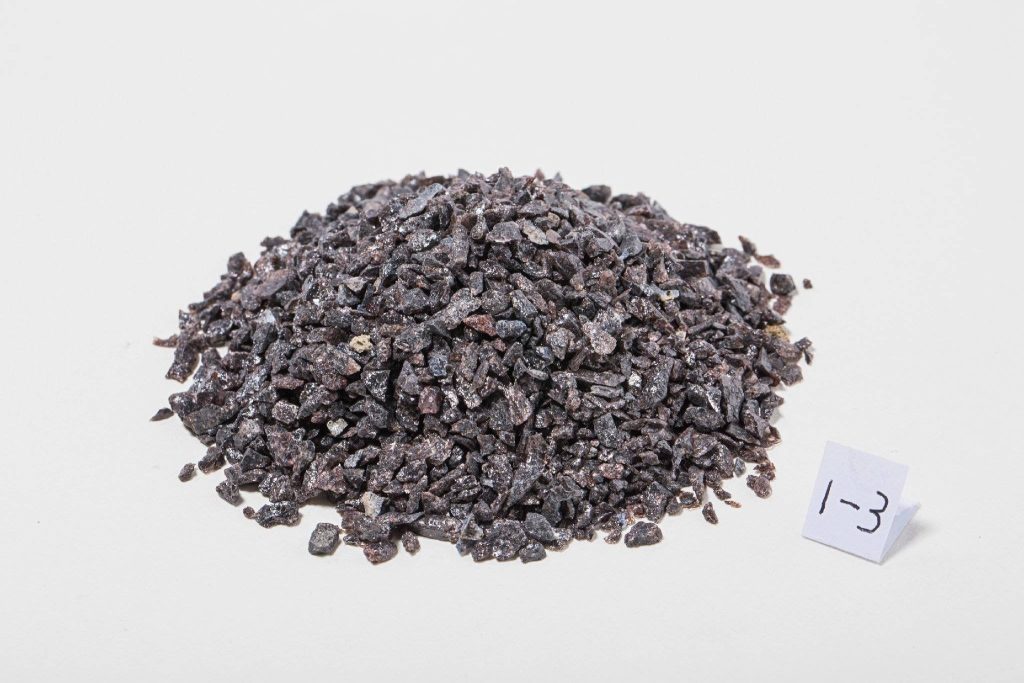
Start with a complete product identity. Brown fused alumina F36, P36 and a refractory 1–3 mm grain are not interchangeable because the numeral or size seems familiar. Name the product family, grade, intended application, relevant standard and whether a current working sample is available. The buyer should also identify which values are mandatory acceptance limits, which are preferred targets and which are reference information. This distinction prevents a supplier from quoting against a public PDS value that was never intended as a contractual guarantee.
Record each change and its reason
A change log should say what changed, why, who approved it and when the new revision became effective. If a chemistry limit is tightened after suppliers price the first revision, the buyer needs new quotes or an explicit confirmation that the prior offer still applies. The same is true of bag size, quantity, delivery port or test report requirement. Technical and commercial changes can affect different teams, so the revision notice should reach both the supplier's sales and technical contacts.
Avoid silent edits to a shared spreadsheet. Preserve the previous revision for audit while marking it superseded. A comparison table should list the revision each supplier answered. If one supplier offers an alternative grade, keep it in a separate alternative column with its own data and sample plan. Do not insert the alternative into the main comparison as if it fully met the requested specification. This helps decision makers see whether a price difference comes from material, packing, quantity or a genuine commercial concession.
Link samples and PDS to the RFQ
Every submitted sample should have a label that connects to the supplier, product, lot and RFQ revision. The accompanying PDS needs its own document revision. A sample approved under an earlier technical sheet may need re-evaluation after a later limit changes. Keep the batch test report separate from the PDS: the former records a specific lot result, while the latter describes the product. Neither should be detached from the revision that defined the purchase decision.
Record the trial plan and outcome against the same product identity. A buyer may approve a sample in a wheel or castable process, then unknowingly place a repeat order using a shorthand description that omits the relevant grade or shape. Tie the approved trial, specification and purchase order together. If production will use a different lot or a later product revision, define what incoming and process checks are needed before the substitute is released.
Close the loop at order and receipt
The purchase order should cite the final approved RFQ and technical sheet revision, quantity basis, packing, required documents and commercial term. Ask the supplier to acknowledge the same revision in its order confirmation. If the quote validity expired or the freight basis changed, reconfirm the commercial values instead of assuming the technical approval also freezes price. A clear order avoids a later dispute over which email was authoritative.
At receipt, inspectors need the accepted revision, not the first PDS they find online. Match the delivered lot, bag labels and batch report to the order. If a value differs, follow the nonconformance process using the agreed limit and method. Revision control is not bureaucracy for its own sake; it allows a measurement to be compared with the right promise and lets a production team know whether it is using the material that was qualified.
Selection guidance
Send CHAOYAN one controlled RFQ with exact product identity and separate technical and commercial attachments when appropriate. State sample quantity and the application trial needed. The technical RFQ guide helps build the initial request, while the PDS-versus-batch-report guide clarifies document roles. Request a quotation that cites your revision and names any deviation explicitly. Reissue the RFQ after material changes rather than collecting informal confirmations that cannot be traced. The goal is a repeatable purchase, not merely a fast first price.
Common mistakes
- Editing an RFQ attachment without changing its revision number.
- Comparing supplier quotes written against different technical or freight bases.
- Approving a sample while omitting its lot and specification revision from the order.
- Treating a public PDS as the complete signed purchase requirement.
Related technical guidance
Frequently asked questions
Does every typo require a new RFQ revision?
The buyer's document-control rule should define material changes. Any change that can affect grade, acceptance, packing, quantity, price or delivery should be clearly reissued to all bidders.
Can a supplier quote an alternative grade?
Yes, if it is clearly labeled as an alternative with its own PDS and trial plan. Do not treat it as compliant with the requested grade without approval.