TECHNICAL GUIDE / 2026-10-14
How to Choose Brown Fused Alumina for Steel Ladle Lining
A steel ladle lining holds molten steel, takes direct slag attack at the slag line, cools between heats, and then does it all again. Choosing brown fused alumina for it comes down to three questions: which grain fractions belong in each zone, what chemistry to specify, and how to prove the material in a trial before bulk orders.
Why the Ladle Is a Special Case
Not every part of a ladle sees the same conditions, so a single generic grade rarely works well.
- The slag line takes the worst chemical attack. Slag sits at one level for much of the heat, dissolving the lining at that band faster than anywhere else. Density, low porosity, and resistance to slag penetration matter most here.
- The metal zone below the slag line contacts molten steel and sees strong thermal cycling as the ladle fills, empties, and waits for the next heat.
- The safety lining behind the working lining rarely touches steel or slag directly, but it must stay stable enough to protect the steel shell if the working lining wears thin.
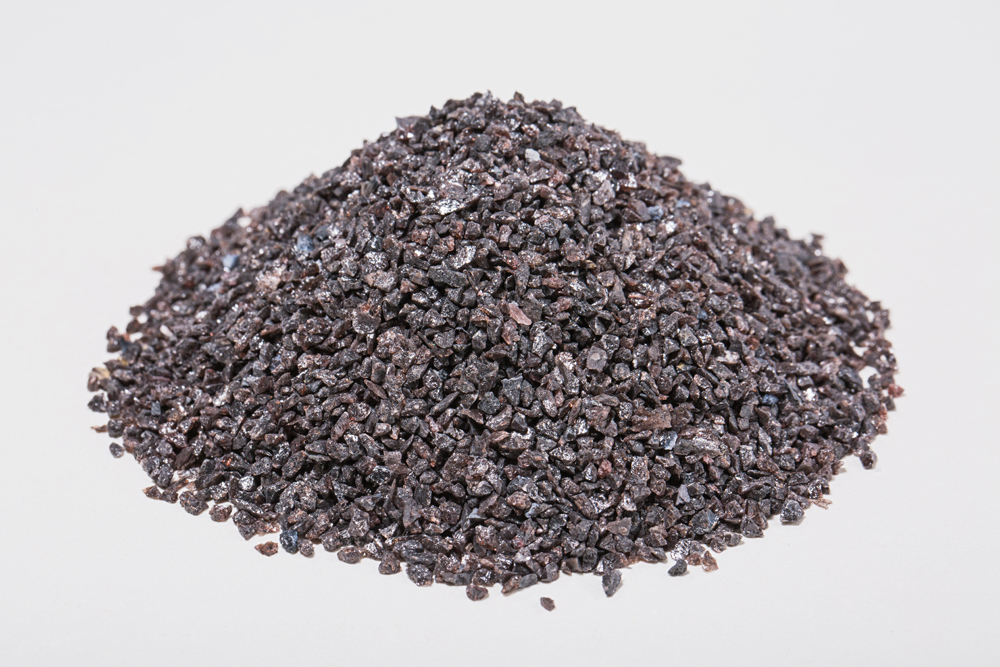
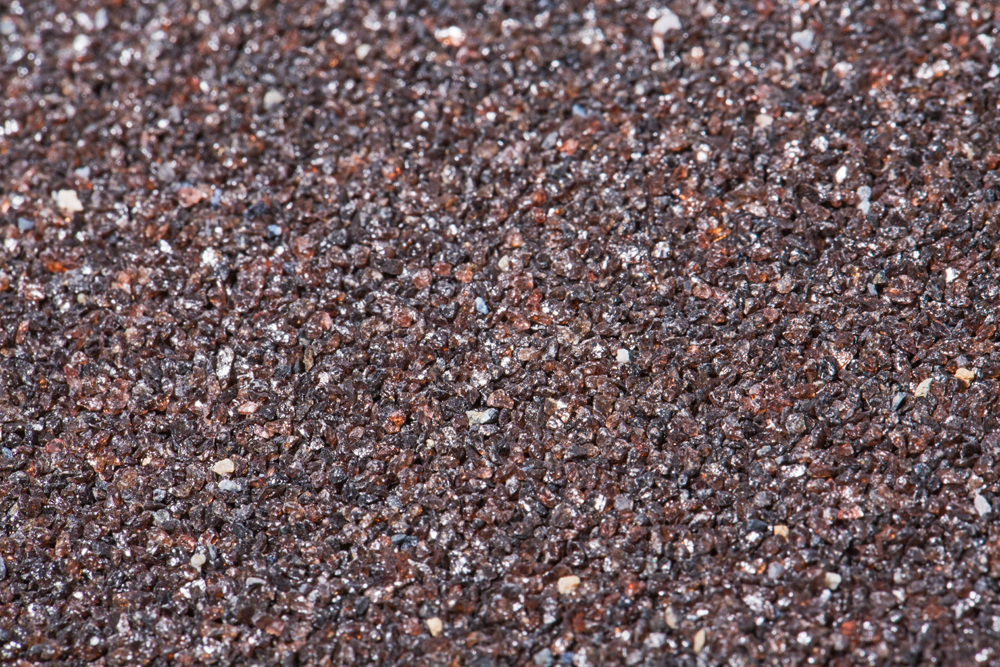
Brown fused alumina is used in ladle linings because it combines high alumina content — typically 93–95% Al₂O₃ in commercial refractory grades — with high hardness, thermal stability, and a dense grain structure, in castables, bricks, and ramming mixes for steel-contact service.
Start With the Lining Design
Grain selection follows the lining design. Confirm which form the lining will take before asking for a quotation:
- Castable lining: graded grain forms the aggregate skeleton and fine powder fills the matrix. Particle packing decides density and strength, so the full grading curve matters, not just one size.
- Brick lining: pre-fired shapes carry most of the structure. The grain is then specified by the brick maker, and the buyer’s job shifts to agreeing the brick specification and joint material.
- Ramming or gunning repair mixes: well-graded grain is used for patching worn areas, especially at the slag line, between full relines.
If the form is not yet decided, share ladle capacity, steel grades handled, and typical heats per campaign with the supplier. That context narrows the discussion far faster than a size list alone.
Grain Fractions by Function
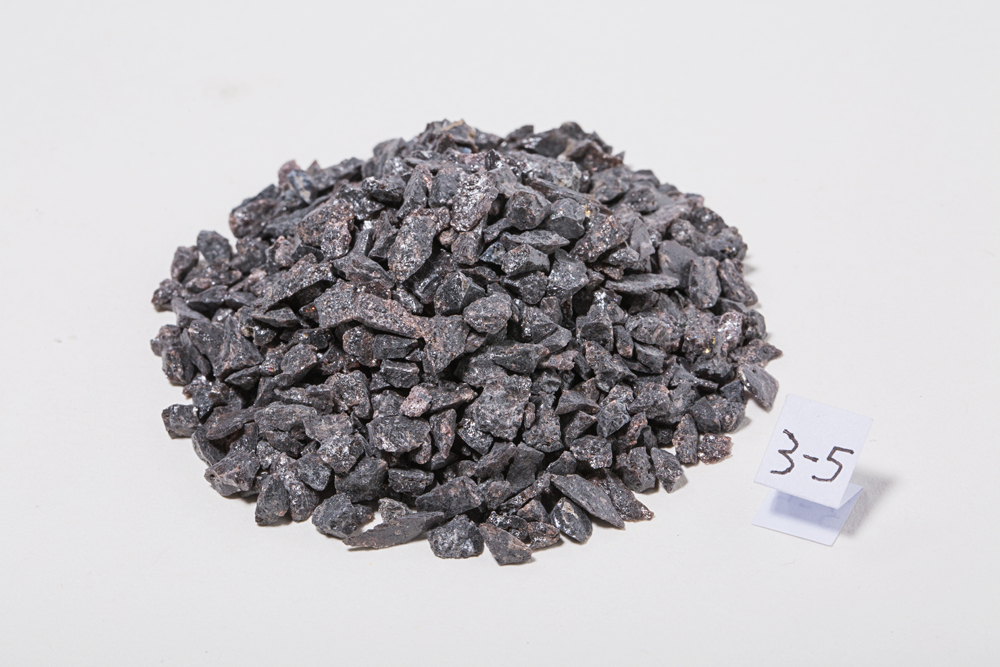
Refractory brown fused alumina grain is supplied in millimetre fractions rather than FEPA F-grit. The standard catalog range covers 0–1, 1–3, 3–5, 5–8, 8–15, and 8–20 mm — see the full refractory grain range. Each fraction has a distinct job:
| Fraction | Typical role in a ladle lining |
|---|---|
| 5–8 mm and above | Coarse aggregate in thick castable sections; framework that resists erosion |
| 3–5 mm | Main aggregate in working-lining castables and ramming mixes |
| 1–3 mm | Mid-size aggregate that improves packing between coarse grain and matrix |
| 0–1 mm | Fine aggregate that closes voids and supports a dense structure |
Two rules follow. First, never specify a single fraction for a castable lining: one size leaves voids that slag penetrates, while a continuous grading down to 0–1 mm packs tighter and wears more evenly. Second, keep the slag-line mix denser than the metal zone if the design allows separate mixes — tighter packing slows penetration where attack is strongest. Your designer’s formulation always takes precedence.
Do Not Forget the Fine Powder
Aggregate alone does not make a lining. The matrix — the fine material between the grains — controls bonding, flow during installation, and much of the corrosion behaviour. Refractory fine powder, commonly 200F and 320F, fills the smallest voids within the castable system.
Discuss fine powder with the grain order, not as an afterthought. When ordering a complete package, look at the brown fused alumina for refractory castables range alongside the fractions, and agree fineness, chemistry, and moisture limits in the same document.
What to Specify on Chemistry
Grain size gets most of the attention, but chemistry decides how the lining behaves against your specific slag. Cover at least:
- Al₂O₃ content. Higher alumina generally improves refractoriness and slag resistance, but agree a minimum and a test method rather than a marketing label.
- Impurity limits that matter for your slag. Iron oxide, silica, and titania levels affect how the grain interacts with basic or acidic slags. State the limits your formulation needs instead of accepting a generic datasheet.
- Bulk density and apparent porosity. Denser grain with lower porosity resists penetration better — ask how these are measured and what range is guaranteed per lot.
- Grading tolerances per fraction. Agree retained percentages on key sieves, not just the nominal fraction name. Two materials both sold as “3–5 mm” can pack very differently.
Do not copy these values from another plant’s specification without checking. Slag chemistry, steel grade, and ladle practice differ, so the final limits belong in your own agreed technical sheet and batch test report.
Trial Before You Commit the Whole Lining
A full reline is too expensive to use as a first test. Qualify the material in stages:
- Laboratory stage: confirm chemistry, grading, bulk density, and porosity on a sample lot.
- Small-mix stage: cast test panels or a small repair patch with the full grading and fine powder, and check workability, setting, and fired appearance.
- Single-ladle stage: run one ladle for a full campaign, and record heats achieved, wear at the slag line, and repair frequency.
- Review stage: compare the wear profile with your previous lining before approving the material more widely.
Keep a retained sample from the trial lot. If wear differs in bulk deliveries, that sample is the reference both sides can test against.
Common Mistakes to Avoid
- Buying on Al₂O₃ alone. High alumina with poor grading or high porosity can underperform a slightly lower-alumina grain that packs densely.
- Using the same mix at the slag line and the bottom. The two zones fail by different mechanisms; treating them identically shortens campaign life.
- Skipping moisture control in storage. Fine powder picks up moisture in damp storage, which changes water demand and setting. Store bags dry, off the floor, and rotate stock.
- Changing grain source mid-campaign without a patch trial. Even a like-for-like size label can behave differently; patch-test first.
Summary
In short: match graded fractions to each zone, pair the aggregate with the right fine powder, agree chemistry and tolerances in writing, and prove the package on one ladle first. Start with the lining design and slag conditions, not price per ton.
Luoyang Naibao New Materials Co., Ltd. has processed brown fused alumina since 1999 and supplies refractory grain from 0–1 to 8–20 mm with refractory fine powder for castable and lining applications. For a ladle reline, send the lining form, target fractions, and chemistry limits — sample lots are the fastest way to see how the material behaves in your own mix.