TECHNICAL GUIDE / 2026-10-02
Short answer. Start from the castable formulation and list every required brown fused alumina fraction separately. For each grain or powder, agree size bounds, distribution, chemistry, sampling, packing and batch documentation. Validate the blend in the buyer's mixing, placing and curing process.
Begin with the formulation's material roles
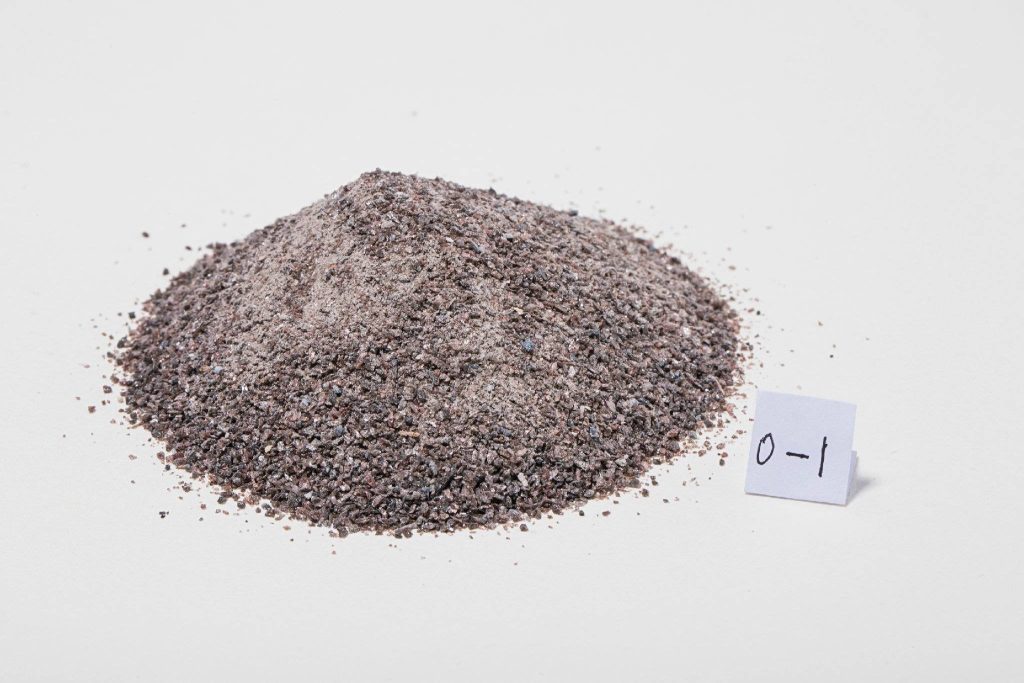
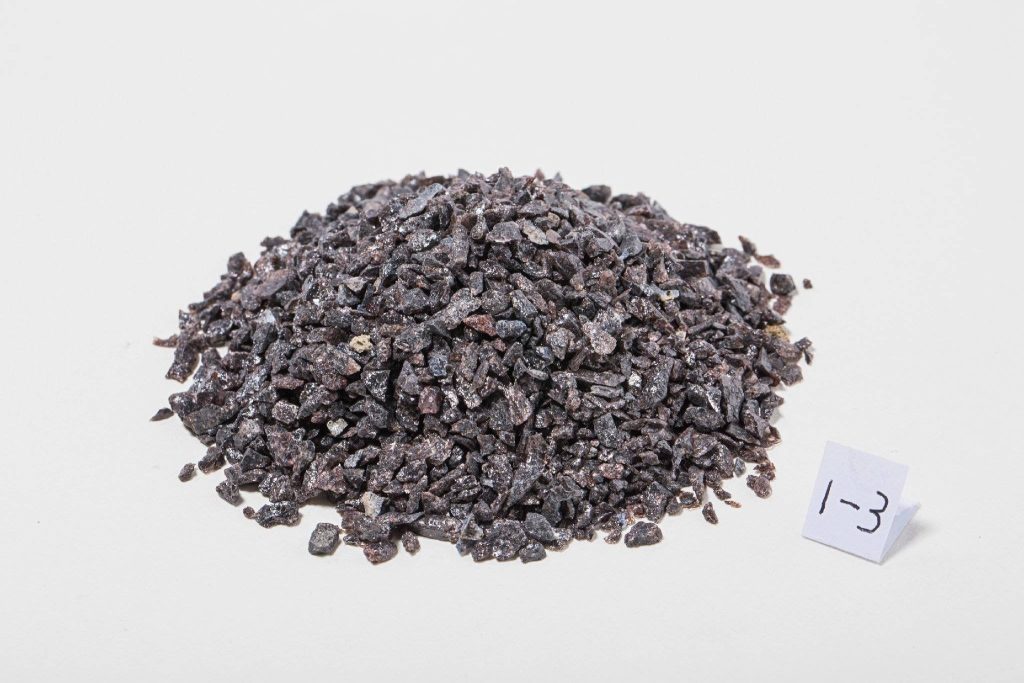
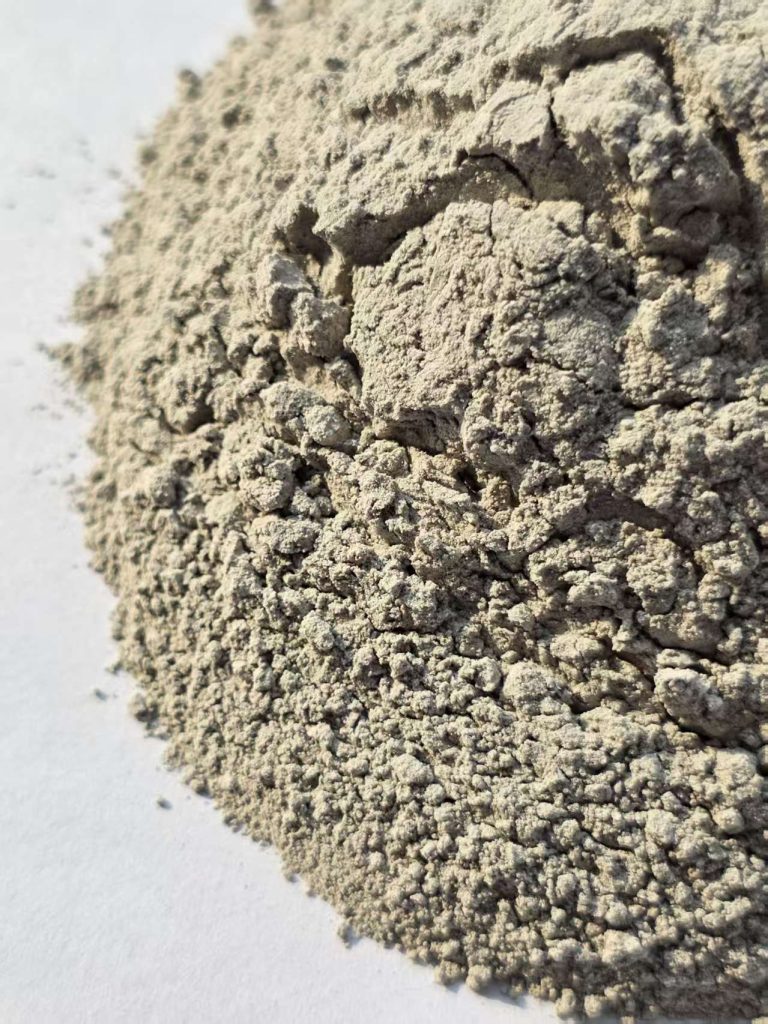
A refractory castable can contain coarse aggregate, intermediate grain and fine matrix material. A request for 'brown fused alumina for castables' does not reveal which of these roles the supplier must fill. Identify the recipe line items and their target fractions before asking for a blended quotation. CHAOYAN lists refractory grain fractions such as 0–1, 1–3 and 3–5 mm, along with larger fractions and fine powders, but the buyer's formulation determines which are relevant.
Keep the intended function of each line item visible. One fraction may contribute to a coarse skeleton while another fills a grading gap; a powder may serve a different part of the matrix. Do not assume that a nominally similar fraction from an abrasive F series has the same acceptance basis. The product family, chemistry, size distribution and testing method need to be specified for the refractory purchase itself.
| Formulation line | Supplier document | Buyer decision |
|---|---|---|
| Coarse grain | Named fraction PDS and batch result | Upper and lower bounds |
| Intermediate grain | Separate fraction PDS | Target distribution |
| Fine material | Powder PDS | Powder designation and retained fraction |
Write a measurable specification for each fraction
For every grain fraction, state the nominal lower and upper size, accepted grading or sieve limits, test method and sampling plan. Add chemistry and physical properties that the design actually controls, with the agreed limits and units. Public product pages may not publish numeric limits for all refractory items; request the current technical sheet rather than copying values from an F grit model or neighboring fraction.
If several fractions are supplied together, decide whether they will be packed separately or as an agreed blend. Separate bags simplify incoming checks and ratio control; a premix requires its own composition, homogeneity and sampling rules. The correct choice depends on the buyer's plant. Either way, labels and commercial documents should distinguish the material clearly enough that the mixing operator can identify the right input without relying on memory.
| Specification element | Question to resolve |
|---|---|
| Fraction bounds | Which sieve or measurement method applies? |
| Chemistry | Which order limit and batch method apply? |
| Packing | Separate fractions or an agreed blend? |
| Label | How is each input identified at mixing? |
Test the combined material in the actual castable
A fraction can meet its raw material sheet while the resulting castable still needs adjustment. Trial candidate grain and powder in the intended mixing route, holding the rest of the formulation and water or binder conditions stable where practical. Record placement, flow, curing and the finished properties required by the buyer's application. If the recipe changes during the trial, document it as a separate formulation variant.
Keep the batch identity of each raw material in the trial record. If a result improves or fails, this allows the technical team to distinguish a particle-size change from a chemistry, powder or process change. Avoid using one small laboratory result as a guarantee for every refractory service condition. The acceptance plan should reflect the actual castable design and the buyer's test procedure.
| Trial level | Evidence |
|---|---|
| Raw fraction | Distribution and batch values |
| Mixture | Recipe and mixing record |
| Castable | Placement and required finished tests |
| Repeat run | Confirmation with representative lots |
Maintain the approved blend across repeat orders
After the trial, freeze the accepted material list and document revision. The purchase order should name each fraction or premix, chemistry limits, packing, batch report and allowed variation. Receiving should check the labels and retain the link between supplied lots and the castable production batch. If a nonstandard fraction is needed, confirm feasibility and the exact grading limits before writing it as a routine catalog item.
An inquiry to CHAOYAN should contain the castable application, fraction list, powder requirement, technical sheet, trial quantity and expected repeat demand. The supplier can return separate product records and samples for each applicable line. That makes the discussion useful to both production and purchasing: the technical team evaluates the formulation, while procurement can quote and reorder identifiable materials rather than an ambiguous blend name.
Selection guidance
List the grain and powder inputs as separate purchase identities, then test the proposed combination in the actual castable formulation. Use the accepted recipe and raw material limits as separate controlled records.
Common mistakes
- Ordering one undefined 'castable BFA' line for several fractions.
- Copying abrasive F grit values into a refractory grain sheet.
- Changing aggregate and powder together without recording the formulation change.
- Treating a raw material PDS as a finished castable performance guarantee.
Frequently asked questions
Can CHAOYAN supply several refractory fractions for one castable?
The catalog lists multiple grain fractions and fine powders. State each required line and its limits so availability and samples can be discussed for the formulation.
Should the fractions be premixed by the supplier?
That is an order-specific decision. If a premix is requested, agree its ratio, homogeneity, sampling and packing separately from individual fraction limits.