TECHNICAL GUIDE / 2026-10-11
How to Choose Brown Fused Alumina Grit Size for Metal Cutting Discs
A cutting disc is the least forgiving bonded abrasive there is. It is thin — often just 1.0 to 1.6 mm of resin-bonded grain — and it works at full speed the moment it touches metal. The wrong grain size shows up immediately: a disc that cuts slowly and overheats, or one that wears out before the shift ends. Grain size is the first variable to get right, and it follows a short logic: match the grit to the disc thickness, match the toughness to the job, and prove it on a sample batch.
Why Cutting Discs Punish the Wrong Grit
In a cutting disc, each abrasive grain is held in a resin bond only a few hundred microns thick. The grain has to do two jobs at once: stay sharp enough to cut and stay in the bond long enough to do useful work. Coarse, blocky grains grip the resin well but need room — put F24 in a 1.2 mm disc and the grain simply does not fit the bond bridges, so it tears out instead of cutting. Fine grains fit thin discs, but go too fine and each grain removes too little metal per revolution: the disc rubs, heat builds, and the resin degrades.
The practical result: cutting discs live in a narrow grit band, roughly F36–F60, far finer than the F16–F30 commonly used in grinding wheels. Disc thickness decides the exact pick.
Match the Grit to the Disc Thickness
| Disc thickness | Common F-grit band | Typical work |
|---|---|---|
| 1.0–1.2 mm | F54–F60 | Fast, clean cuts on sheet metal, thin tube, rebar |
| 1.6 mm | F46–F54 | General-purpose metal cutting |
| 2.0–3.2 mm | F36–F46 | Heavier sections, pipeline work, demolition-grade cuts |
These are working bands that disc makers commonly specify, not universal rules — formulations differ, and the resin system and bond ratio shift the sweet spot. Use the band to shortlist, then test.
Concrete starting points:
- F60 for 1.0 mm ultra-thin discs where a clean, low-burr cut matters most.
- F46 as the workhorse size for standard 1.6 mm cutting discs on structural steel.
- F36 for thicker cutting wheels and heavy-section cutting where removal rate dominates.
- The full F-grit series runs F8–F320, so grinding and cutting grain can come from one supplier and one specification family.
Grain Toughness Matters as Much as Size
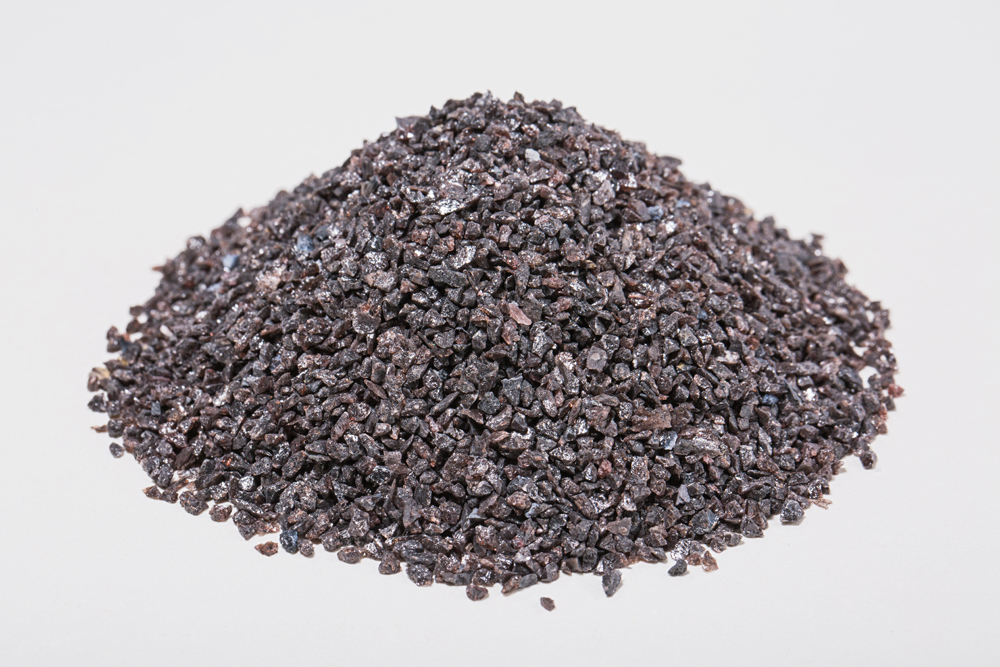
Size decides whether the grain fits the bond. Toughness decides what it does once it is there. Brown fused alumina is valued for cutting discs because it sits in the sweet spot between hardness and toughness: hard enough (Mohs 9) to cut steel cleanly, tough enough to micro-fracture and expose fresh cutting edges rather than shattering outright.
For the buyer this means two things:
- Specify toughness, not just size. Ask the supplier for the grain's toughness grade or crushing-strength indicator alongside the F size. A finer nominal size with low toughness still performs poorly.
- Keep the grade consistent. Cutting discs fail on consistency, not theory. One off-grade lot changes the cut rate and disc life of the whole production run — which is why batch-to-batch sieve analysis and a stable agreed specification matter more than chasing the lowest price per ton.
Resin Bond Basics Buyers Should Know
Cutting discs are almost always resin-bonded (phenolic resin) and reinforced with fiberglass mesh. The grain you buy must survive that process:
- Thermal stability. The disc is cured under heat; grain that softens or oxidizes in the cure loses cutting performance before it ever touches steel.
- Clean surface. Dust, fines, and surface contamination interfere with resin wetting. Well-washed, well-dried grain bonds better.
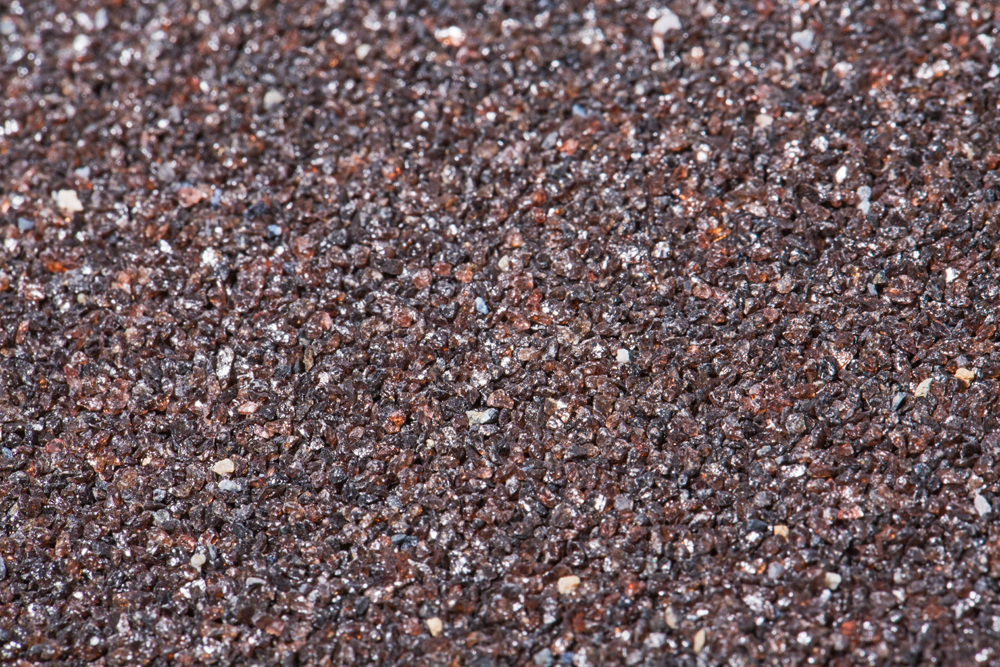
- Tight size distribution. Excess fines fill the bond without cutting; oversize grains break the surface. A sharp FEPA distribution is what keeps the cut rate uniform.
None of these are visible in a bag of grain, which is exactly why serious disc makers run incoming inspection and keep a reference sample for every lot.
Common Mistakes to Avoid
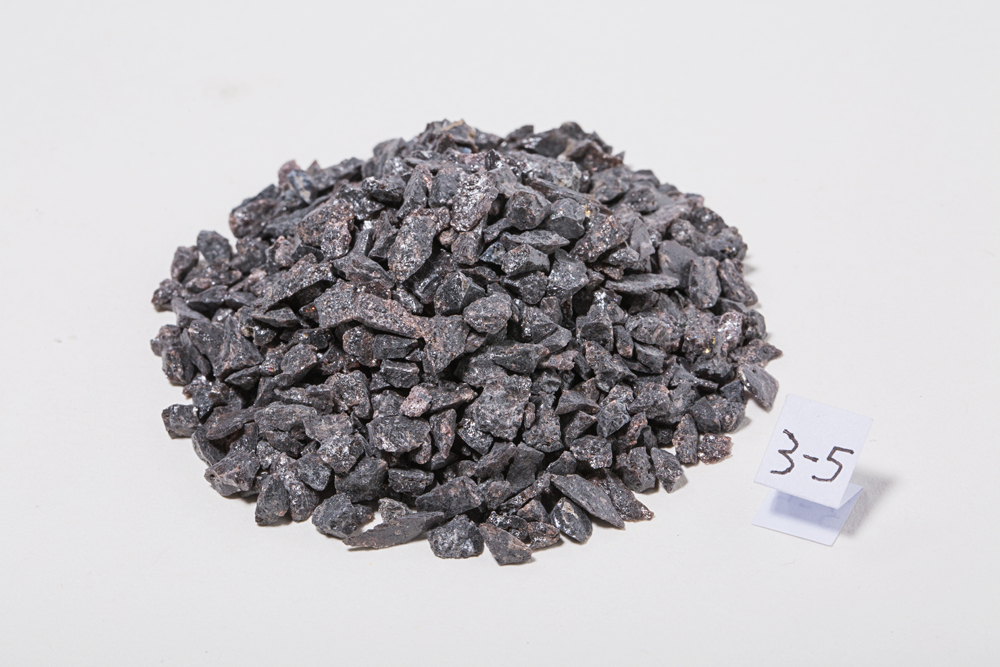
- Reusing grinding-wheel grain for cutting discs. F24–F30 that works in a 6 mm depressed-center grinding wheel has no business in a 1.2 mm cutting disc.
- Going finer to "make it last." Below the right band, finer grain cuts slower, builds heat, and can glaze the disc — the opposite of longer life.
- Blending leftover sizes. Mixing two grits to use up stock produces an unpredictable cut and uneven wear.
- Buying on size alone. A quotation that lists only "F46" without a grade, distribution, and agreed specification is not a specification — it is a guess.
A Practical Sample-Trial Workflow
- Shortlist two sizes within the band for your disc thickness.
- Request matched samples with batch test reports: sieve analysis, bulk density, and the supplier's standard chemistry sheet.
- Press and cure test discs under your actual production formula and cure cycle.
- Measure cut rate and disc life against your current reference — steel cut per gram of disc, and cuts per disc on a standard test bar.
- Lock the specification (size, grade, distribution limits, labeling) before placing the volume order.
Summary
Choosing brown fused alumina grit for cutting discs comes down to three things: a grit size that fits the disc thickness (F36–F60 for most cutting wheels), grain tough enough to cut without shattering, and a resin-compatible, consistently graded lot verified by trial. Size first, toughness second, sample third — get those right and the disc behaves.
Luoyang Naibao New Materials Co., Ltd. has processed brown fused alumina since 1999 and supplies the full F-grit range F8–F320 for bonded, coated, and blasting applications. If you are qualifying grain for a cutting-disc line, start with a sample run of your two candidate sizes — the cut test will tell you the rest.