TECHNICAL GUIDE / 2026-10-19
Brown Fused Alumina vs Ceramic (Sol-Gel) Alumina: What the Extra Cost Buys in Heavy-Duty Grinding
Every heavy-duty grinding wheel buyer eventually gets the same pitch: switch the grain to ceramic alumina and the wheel will cut faster and last longer. The claim is not empty — ceramic (sol-gel) alumina is a genuinely different material from brown fused alumina. But its grain typically costs several times as much per tonne, and whether that premium comes back depends almost entirely on how your wheels are used. This comparison explains what the extra cost actually buys, where it pays, and where standard brown fused alumina remains the economically correct grain.
Two Grains, Two Different Structures
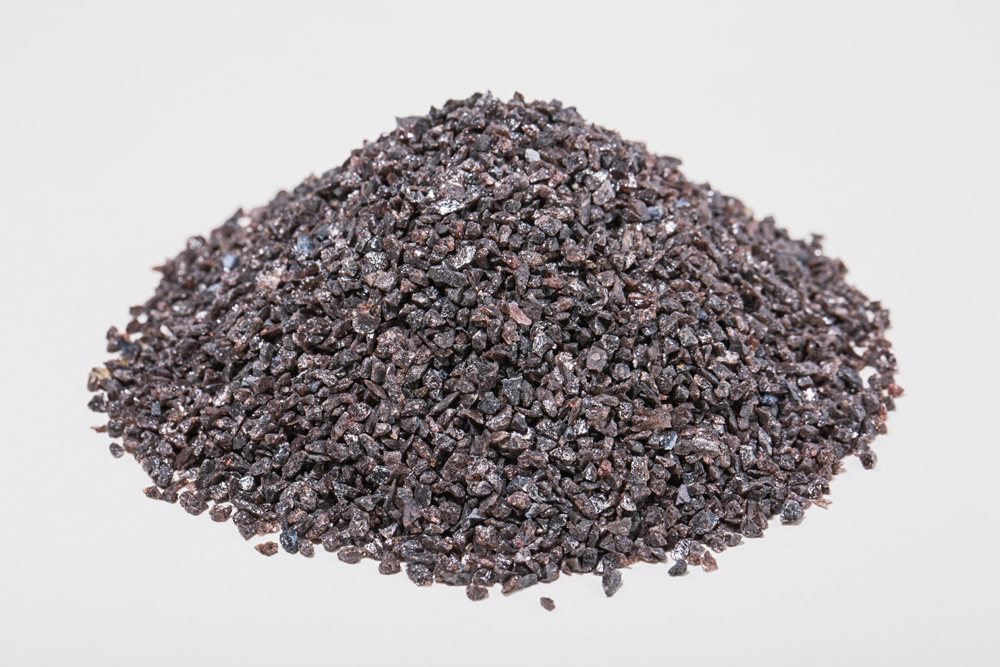
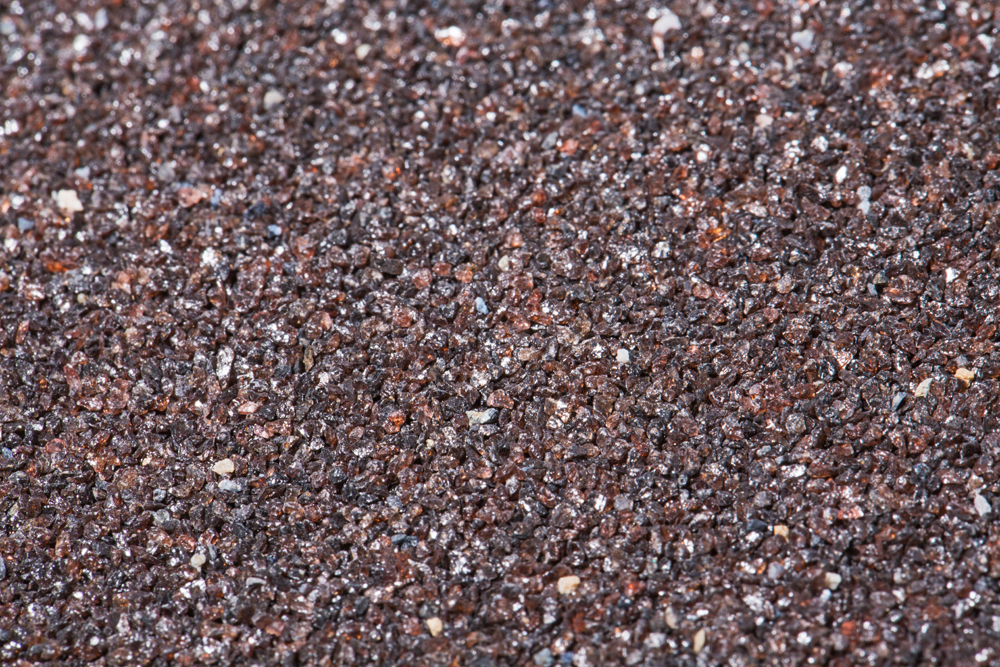
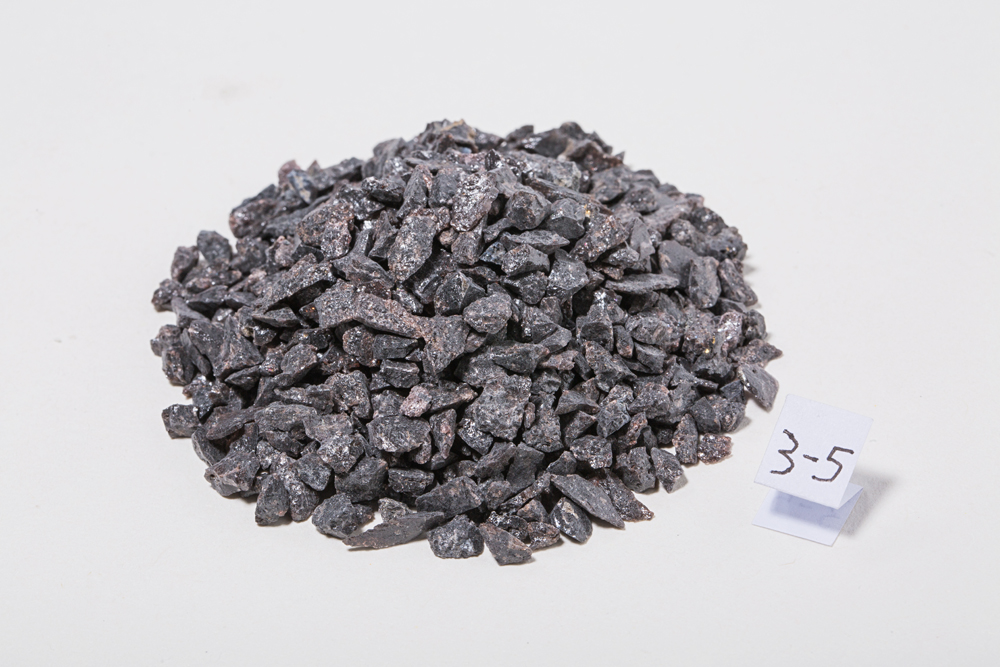
Brown fused alumina is made by fusing bauxite in an electric arc furnace, then crushing and screening the solidified melt. Each grain is a tough, blocky crystal of alumina — around 95% Al₂O₃ in the top grade — with the hardness and impact resistance that have made it the workhorse grain for resin and vitrified grinding wheels, cutting discs and snagging wheels for decades. The full grade and size range is set out in our F-grit series.
Ceramic alumina takes a different route. Instead of being fused, it is formed by a sol-gel process and sintered, which produces a grain built from a very large number of extremely small crystals. That microcrystalline structure is the whole point of the material — and the source of both its advantage and its price. The gel processing, sintering and tight process control behind it cost far more than arc fusion, which is why the finished grain sits in a different price class.
For a wider view of how the common abrasive grains compare, see our comparison of brown fused alumina, white fused alumina and silicon carbide.
The Real Difference: How Each Grain Breaks Down
An abrasive grain earns its keep by staying sharp. As a grain works, its cutting edges dull, grinding forces rise, and eventually the grain must either fracture to expose a new edge or be dressed away.
A brown fused alumina grain fractures on a relatively large scale. Under load it sheds bigger fragments, exposing a fresh — but similarly shaped — cutting face. The result is predictable behaviour: steady cutting, good toughness under shock and side load, and a wheel that forgives variations in machine condition and operator technique.
A ceramic grain fractures on a much smaller scale. Because it is made of sub-micron crystallites, tiny pieces break away continuously under sufficient pressure, constantly renewing sharp edges. Wheel makers call this self-sharpening. When it works, the wheel keeps cutting freely for longer, with lower force and less heat build-up in the workpiece.
The condition in that sentence matters: under sufficient pressure. Micro-fracture needs load. If the grinding pressure is too low to fracture the crystallites, a ceramic grain dulls like any other grain — except that you have paid several times more for it.
Where the Ceramic Premium Can Pay
Ceramic alumina earns its price in a fairly specific operating window:
- High-pressure, high-stock-removal grinding — heavy grinding on fixed machines where the process can keep the grain under the load it needs to self-sharpen.
- Hard-to-grind steels — hardened alloy steels and heat-sensitive workpieces where a freely cutting wheel reduces burn and metallurgical damage.
- Automated lines — where wheel life and dressing frequency drive downtime cost, and a longer interval between dresses is worth more than the grain saving.
- Cost-per-part pressure — where labour, machine time and scrap dominate the cost of a finished part, so a faster, cooler cut repays a more expensive wheel.
In these conditions, judge the two grains on cost per finished part — parts per wheel, cycle time, dressing time and scrap rate combined — never on grain price per tonne alone.
Where Brown Fused Alumina Is Still the Better Buy
Outside that window, the balance usually tips back to brown fused alumina:
- General steel grinding and fabrication work, where pressures vary, machines vary, and a tough, forgiving grain gives the most consistent result across the shop.
- Portable and hand-held tools, where the operator — not the process sheet — sets the pressure, and the ceramic grain may never reach its self-sharpening load.
- Thin cutting discs and price-driven volume wheels, where grain cost is a large share of the finished product cost and the cutting action does not reward micro-fracture in the same way. Our brown fused alumina for resin grinding wheels page shows the grades most wheel makers standardise on for this work.
- Foundry snagging and rough conditioning, where impact and side load punish a grain that fractures too readily, and toughness matters more than edge renewal.
There is also a middle path: blends. Mixing a proportion of ceramic grain into a brown fused alumina wheel raises performance part of the way toward a full ceramic wheel, at part of the cost step. Treat a blend as a new wheel specification to qualify, not a drop-in substitution.
How to Compare Them Fairly in Your Own Plant
A catalogue comparison will not settle this question; a short, disciplined trial will. Keep everything except the grain constant — same wheel specification, bond, machine, workpiece and operator — and record four things:
- Stock removed per wheel (or parts completed to your normal discard point)
- Cycle time across the same fixed number of parts, noting how it trends as the wheel works
- Dressing frequency and dressing time, if your process dresses the wheel
- Workpiece quality — burn, finish and dimensional drift, recorded per grain
Then do the arithmetic that actually matters: total wheel cost plus machine and labour time, divided by good parts produced. If the ceramic wheel wins on cost per good part in your conditions, the premium is justified — for that application. If it wins only on wheel life while cycle time and quality stay flat, it usually is not.
One more caution: run the trial at your real production pressure. A gentle trial is precisely the condition in which ceramic grain looks ordinary, and an over-hard trial will flatter it.
The Bottom Line
Ceramic sol-gel alumina buys you one thing: continuous self-sharpening under high grinding load, in a microcrystalline grain that costs several times more to make. In heavy, automated, hard-to-grind work measured by cost per part, that can be money well spent. In the much larger world of general grinding wheels, cutting discs and fabrication work, tough, consistent brown fused alumina delivers the required result at a fraction of the grain cost — which is why it remains the standard grain those products are built on.
If you are specifying brown fused alumina for a bonded abrasive line, send the grade, grit size, quantity, packing and destination port with your application, and Luoyang Naibao New Materials Co., Ltd. — producing brown fused alumina since 1999 — will quote against that exact specification and supply samples for your own side-by-side trial. The starting point for most wheel specifications is the standard F grit range.