TECHNICAL GUIDE / 2026-10-18
What a Brown Fused Alumina Quotation Is Made Of
Two suppliers quote for what looks like the same material — F36 brown fused alumina, one tonne bags, same destination port — and the prices come back noticeably different. That gap rarely means an arithmetic mistake. More often, the two offers rest on different assumptions about grade, grit distribution, packing, and delivery. This guide breaks a quotation into its parts, so you can see what each part pays for and compare offers on equal terms.
Grade: The Alumina Content Behind the Label
The largest single factor is grade. Brown fused alumina is sold in grades defined mainly by alumina (Al₂O₃) content, and higher-alumina grades cost more to produce: they start from selected bauxite, take more energy to fuse, and yield less usable grain per furnace run.
The practical point for buyers is that a grade name alone is not a specification. Ask what minimum Al₂O₃ content the quotation guarantees, which test method supports it, and whether a batch test report will accompany the shipment. Two offers at different prices may simply be two different grades wearing similar labels. Our F-grit series pages list the chemistry for each grade we supply, so you can match the quoted grade to a written specification rather than a verbal description.
Also note where your application sits: a resin cutting disc, a blasting line, and a refractory castable do not all need the same grade. The right question is which grade your process has already proven.
Grit Size and How Tight the Distribution Is
The second factor is the grit itself: not just the nominal size, but how tightly the size distribution is controlled.
A quotation for a coarse, high-volume size such as F24 for blasting is built differently from one for a fine size such as F220. Fine grits pass through more screening stages, yield less saleable material per tonne of crushed grain, and need closer control of the fine tail. Within the same nominal size, a tighter distribution — fewer oversize and undersize grains — also costs more to hold, because more material is screened out and reprocessed.
When you compare quotes, compare the distribution commitment, not only the size name. Ask which standard the sizing follows (FEPA F is the common reference for bonded abrasives and blasting), and what retained percentages on the key sieves the supplier will accept as the acceptance basis. A lower quote built on a loose distribution can cost you more in wheel life, blasting consistency, or rejected work than it saves at purchase. For blasting grades, see how the sizes are grouped on our brown fused alumina for sandblasting page.
Quantity: Trial Lots and Full Containers Are Different Products
Quantity changes the unit economics at almost every step. A one-tonne trial lot is picked, packed, documented, and shipped as a small consignment; its handling cost per tonne is far higher than a full container loaded directly from production. That is why a trial price per tonne is not a reliable guide to your bulk price — and why a bulk price should not be expected on a trial quantity.
A clear quotation states the quantity it is based on. If you are qualifying a new source, ask for both numbers in one request: the trial-lot price, and the full-container price that will apply once the material passes. That keeps the trial result and the commercial decision connected.
Packing: Bags, Tonne Bags, and Pallets
Packing looks minor on a quotation and matters a great deal on arrival. The usual options are 25 kg bags, tonne bags, and palletised loads, sometimes with moisture protection for sea freight.
Each option carries a different cost: small bags mean more filling and handling labour per tonne; tonne bags cost more per bag but load faster; pallets add material and freight volume but protect bags and simplify forklift handling. State the packing you need in the enquiry itself. If one quote assumes loose tonne bags and another palletised 25 kg bags, the gap may be packing — not material.
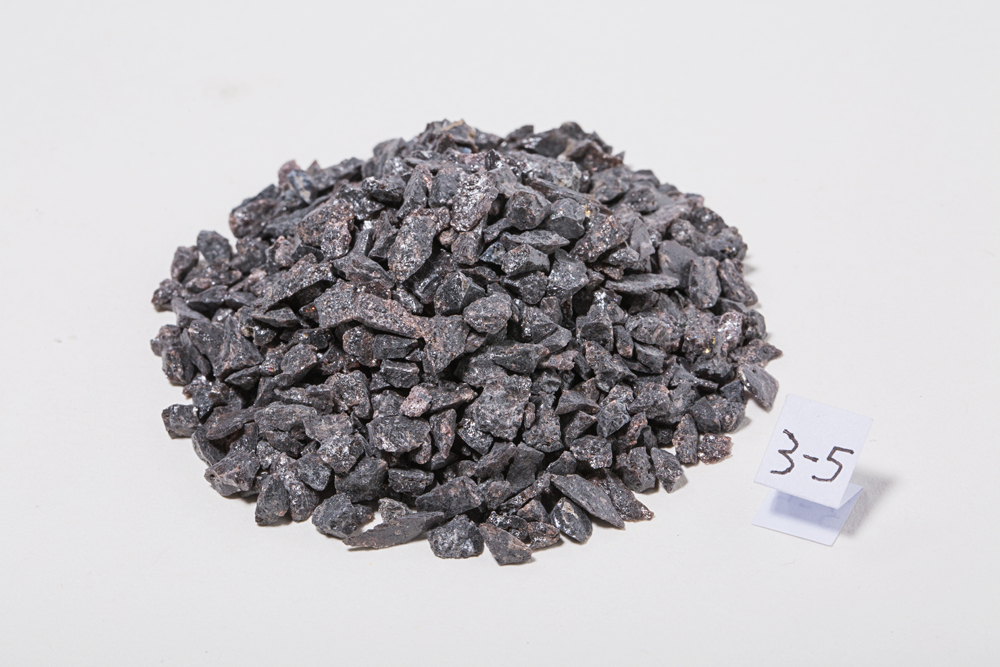
For refractory buyers ordering graded fractions such as 1–3 mm and 3–5 mm alongside fine powder, packing also protects the grading: sound bags and dry loading keep fractions clean and free-flowing. The options for each fraction are set out with the refractory grain range.
Delivery Basis: Where the Price Stops
A quotation is only complete with its delivery basis. An FOB price ends at the loading port; a price delivered to your port or warehouse includes freight legs that move with the shipping market. Comparing an FOB offer from one supplier with a delivered offer from another, without separating the freight, produces a false winner.
Ask every supplier to quote on the same basis, and name your destination port even when you ask for FOB — it helps the supplier plan loading and documentation. If freight is included, ask which part of the total is freight, so you can re-check the material price when rates move.
Testing and Documents Included in the Offer
Finally, check what verification the price includes. A well-built quotation is backed by a product data sheet for reference and a batch test report for the actual lot shipped, covering chemistry and sizing for that batch. Retained samples and lot labelling tie the report to the bags that arrive at your dock.
These items take laboratory time and disciplined lot control, and they are part of what a serious offer pays for. If a quote is unusually light, ask which of these steps support it. Our buyer FAQ covers the documents and terms buyers ask about most often.
How to Compare Two Quotes Fairly
Before deciding, line the offers up on one page and check six rows:
- Grade: guaranteed minimum Al₂O₃ and test method
- Sizing: standard followed and distribution commitment
- Quantity: trial lot vs full container basis
- Packing: bag size, tonne bags, pallets, wrapping
- Delivery: FOB or delivered, and destination port
- Documents: data sheet, batch test report, lot labelling
If a row differs, you are not comparing two prices for one product — you are comparing two products. Align the rows first, then let the price decide.
Getting a Quotation You Can Use
The fastest route to an accurate, comparable quote is to send five items in the first message: grade, grit size or fraction, quantity, packing, and destination port. With those five, a supplier can price the actual material and logistics instead of a placeholder, and you receive an offer you can place side by side with any other.
Luoyang Naibao New Materials Co., Ltd. has produced brown fused alumina since 1999, supplying F and P grits, blasting grain, and refractory fractions with batch test reports for each lot. Send the five items above with your application, and we will build the quotation on the specification you actually intend to buy — trial lot first, full container when you are ready.