TECHNICAL GUIDE / 2026-10-07
<!-- SEO meta (for site head): meta_title: How Brown Fused Alumina Is Made: From Bauxite to Grain meta_description: Follow brown fused alumina from calcined bauxite through the electric arc furnace: smelting, cooling, crushing and grading into F-grit and P-grit sizes. -->
How Brown Fused Alumina Is Made: From Bauxite to Grain
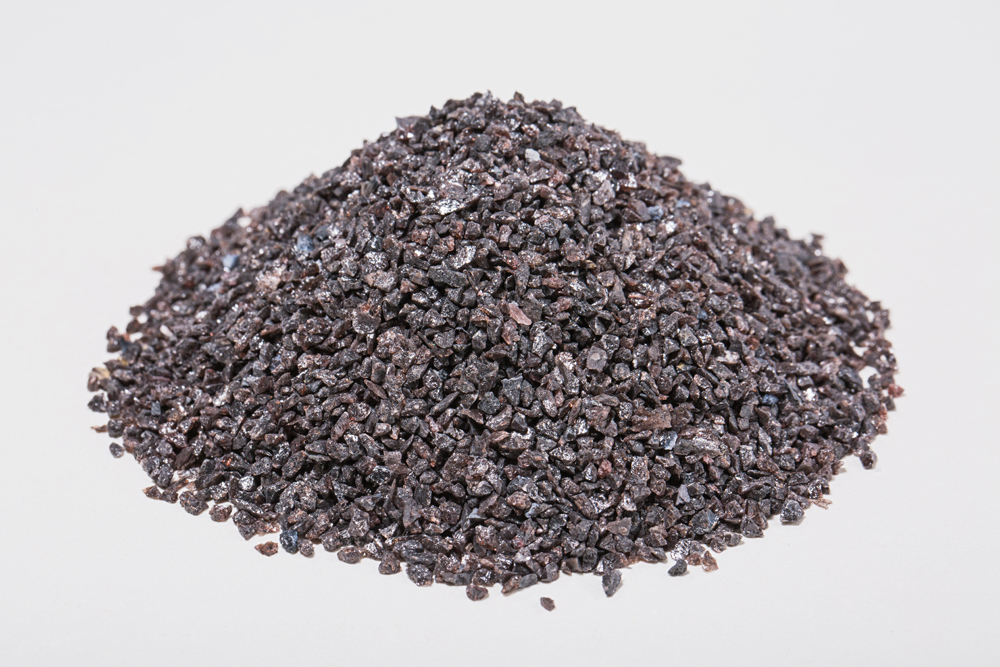
Every grain of brown fused alumina — whether it ends up in a grinding wheel, a sandblasting cabinet, or a refractory castable — begins as ordinary rock and passes through one of the hottest industrial processes on earth. Understanding that journey explains a lot of what buyers see on a datasheet: why Al₂O₃ content varies between grades, why the grain is brown, and why two suppliers' "F36" can behave differently. Here is the process, step by step.
Step 1: The Raw Material — Calcined Bauxite
Brown fused alumina is made from bauxite, an aluminum ore, that has been calcined (roasted at high temperature) to drive off moisture and organic matter. Calcination concentrates the alumina and stabilizes the material for the furnace.
The quality of the bauxite sets the ceiling for the finished product. Higher-alumina, lower-impurity bauxite yields brown fused alumina with higher Al₂O₃ content — typically 93–95% in commercial grades. Impurities such as silica, titania, and iron oxides are never fully removed, and their levels are what separate one grade from another. This is why a supplier's grade system is, at its root, a statement about raw material selection.
Step 2: Smelting in the Electric Arc Furnace
The calcined bauxite is charged into an electric arc furnace, where graphite electrodes strike an arc that melts the charge at temperatures above 2,000 °C. To purify the melt, two additions go in with the bauxite:
- Carbon (anthracite or coke), which reduces silica and some other oxides.
- Iron borings, which collect the reduced silicon and form a dense ferrosilicon alloy.
Because the alloy is heavier than the alumina melt, it sinks to the bottom of the furnace and is tapped off separately — this is the main refining step that lifts the Al₂O₃ content of the final grain. Modern plants often use tilting furnaces, which pour continuously and keep running around the clock, giving more consistent chemistry from batch to batch than older fixed furnaces.
Step 3: Cooling and Crystallization
The molten alumina is poured into molds or cooling pots, where it solidifies over many hours. Slow cooling matters: it lets large, tough alpha-alumina crystals grow, and that crystal structure is what gives brown fused alumina its combination of hardness and toughness. The brown color itself comes from titania (TiO₂) dissolved in the crystal — it is a natural signature of the process, not an additive and not a defect.
The cooled material leaves the molds as large fused blocks, the intermediate form from which all grain sizes are produced.
Step 4: Crushing and Magnetic Separation
The blocks are broken down in stages — jaw crushers, then roll crushers — until the material reaches grain size. Specialized crushing (such as Barmac impact crushing) can produce more blocky, shaped grains for applications that need them. After crushing, the grain passes through magnetic separators to pull out residual iron from the furnace additions and any tramp metal picked up in crushing.
Step 5: Grading Into Product Sizes
The cleaned grain is classified into the size families buyers recognize:
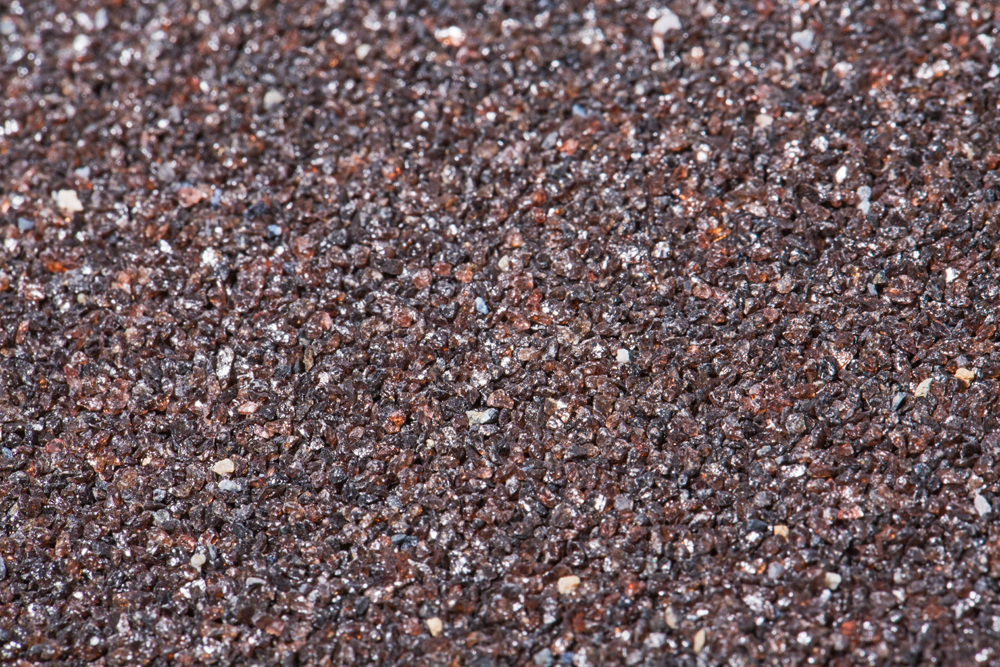
- F-grits (F8–F320) for blasting media, bonded abrasives, and general grinding grain, sized by precision sieving — see the full F-grit series.
- P-grits for coated abrasives (belts, discs, sandpaper).
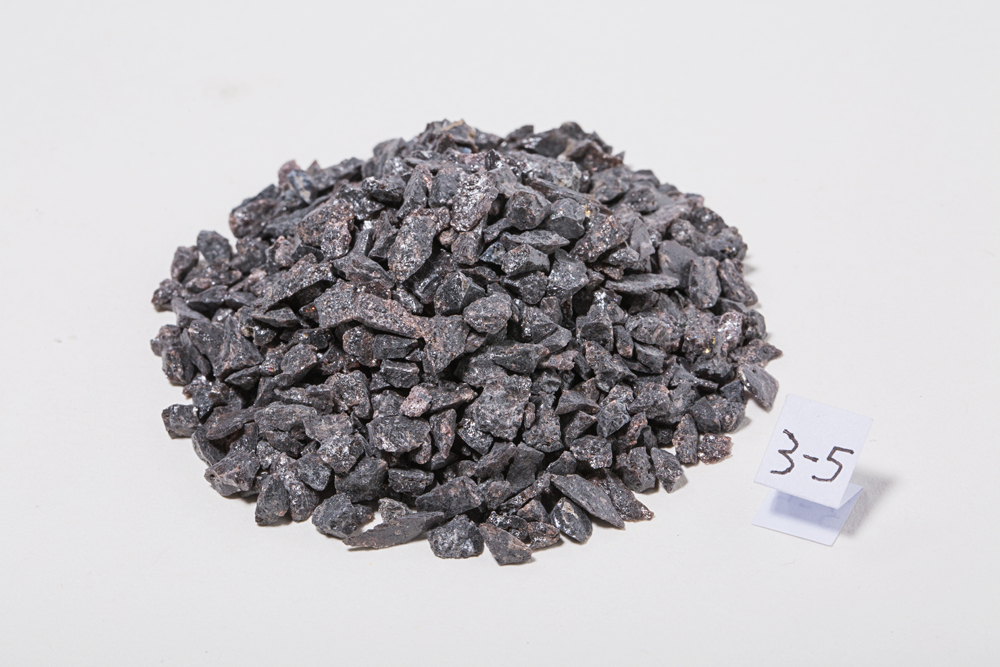
- Refractory grain sizes (such as 0–1 mm, 1–3 mm, 3–5 mm) for castables and bricks.
- Fine powders (such as 200F and 320F) for precision casting shells and refractory mixes — these fine grades routinely analyze at 94.5% Al₂O₃ and above, which is normal for the process.
Microgrits finer than about F230 are classified by sedimentation rather than sieving, since the particles are too small for screens.
Why the Process Matters to Buyers
Three practical takeaways:
- Grade differences start at the mine. If you need a higher Al₂O₃ content, ask about the bauxite source and the grade system — not just the final analysis.
- Consistency is a furnace discipline. Continuous tilting-furnace operation, controlled cooling, and tight magnetic separation are what make one batch behave like the last. A trial sample is only meaningful if production runs under the same conditions.
- Color is information, not quality. The brown tone comes from titania in the crystal. It does not indicate contamination, and bleaching it out would mean a different material entirely.
FAQ
Why is brown fused alumina brown? The color comes from titania (TiO₂) dissolved in the alumina crystals during smelting. It is inherent to the material.
Why is iron added if the goal is pure alumina? The iron is a process aid, not a product ingredient. It captures reduced silicon as a ferrosilicon alloy that sinks and is separated off, and residual iron is removed later by magnetic separation.
Can the same furnace make white fused alumina? No. White fused alumina is smelted from calcined alumina powder — a refined feedstock — not from bauxite, which is why it analyzes at 99%+ Al₂O₃ and has no brown color.
About the author: This article is published by Luoyang Naibao New Materials Co., Ltd., producer of CHAOYAN brand brown fused alumina since 1999. For product inquiries, contact our export team.