TECHNICAL GUIDE / 2026-10-02
Short answer. Keep each brown fused alumina lot identified and dry; verify packaging condition, floor clearance, container condition and exposure history before release. If bags show water marks or clumping, isolate the affected material and inspect it against the agreed specification before use. A dry-looking bag is not proof that the entire lot has unchanged grading or flow behavior.
Decide which moisture risk matters
Brown fused alumina is an inorganic abrasive, but an export shipment still depends on packaging, handling and the buyer's process. Moisture can wet the bags, bring fines together, affect dispensing, obscure lot labels or introduce contamination from a damaged container. A grinding wheel plant may worry about consistent feed into a mixer, while a refractory formulator may be more concerned with the apparent behavior of a fine fraction. Define the receiving concern before writing a generic instruction to keep the material dry.
Ask where water could enter: during bag filling, at an open warehouse door, through a container roof or floor, or from condensation after a temperature change. The control for rain entry is different from the control for container condensation. Record the material form, particle size, packing type and expected storage period. Do not assume that one check on a coarse grain bag is adequate for a fine powder shipment with a different surface area and handling route.
Set controls at packing and warehouse receipt
The packing instruction should identify bag material, closure, pallet or other unitization, lot marking and the permitted condition at handover. Inspect representative bags before they enter storage. A torn liner, a wet outer bag and illegible labels are separate defects; photograph and record each rather than describing all three as poor packaging. If the purchase specification includes a moisture method or limit, sample and test using that method. A visual check cannot replace a specified laboratory acceptance rule.
In the warehouse, store sealed bags off surfaces where water can collect. Keep them away from washdown, leaking roofs and open doors during rain. Use a location record so that lots are not casually mixed when a pallet is moved. Rotate stock under the site's approved rule, but preserve the ability to retrieve a particular lot for an inquiry or a quality investigation. Where an open bag is partly used, reseal it and label the remaining material with its original identity and opening date.
Inspect the container and loading operation
Before loading, check the container for obvious water ingress, damaged door seals, standing water, contamination and floor defects. A clean container photograph taken before loading helps resolve later disputes, but it does not guarantee that the container will stay dry in transit. Verify that the packaging and load plan are appropriate for the total bag weight and handling method. Avoid placing unprotected bags against visibly wet surfaces or covering a problem with an extra sheet that conceals it.
The loading record should connect the container number, seal number, bag count, net and gross weights, product grade and lot numbers. Note the date and weather exposure while doors are open. If desiccant or a liner is specified, record its placement and the agreed quantity; neither should be treated as a substitute for a sound container. Keep a packing list and photographs that show how the bags were arranged so the receiving team can identify where a local problem may have occurred.
Respond to a suspect shipment without losing evidence
At receipt, inspect the outside of the container before unloading and then compare the first bags with the loading record. Water marks, caking or torn bags call for a segregated hold, not automatic acceptance or blanket rejection. Record which pallets or bag positions are affected. Keep unopened representative bags and a retained sample where the quality plan requires them. If the material is already being fed into production, stop mixing the suspect lot with accepted stock until the extent of the issue is known.
Check the properties that matter to the actual use: particle distribution, flow or moisture under the agreed method, and any contamination requirement. Compare with the purchase sheet and the delivered batch report. A clump may be broken by handling without proving that the material is suitable; conversely, a wet outer bag does not prove that every inner bag is damaged. Reach a disposition through documented sampling, test results and the buyer's process trial where needed.
Selection guidance
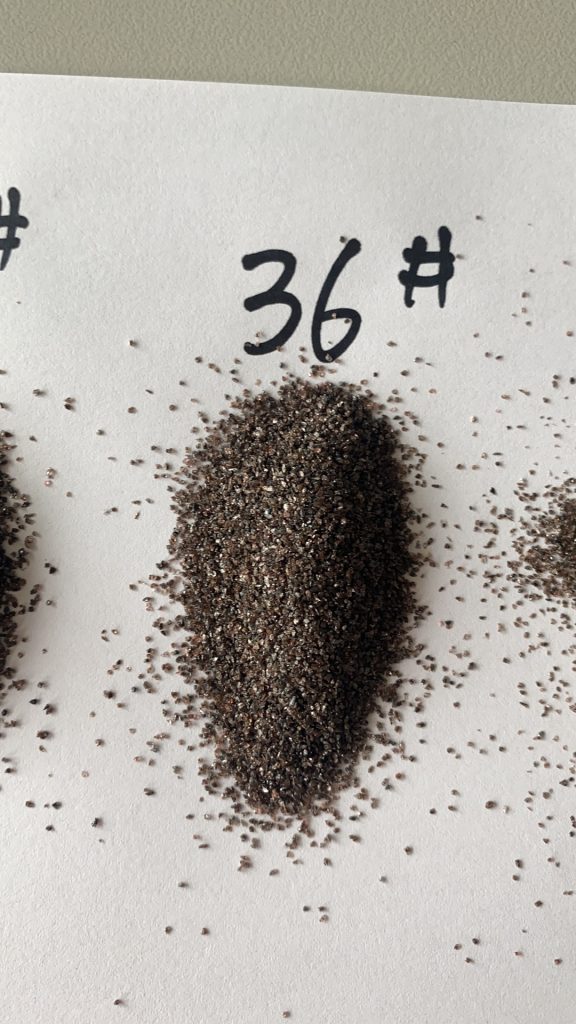
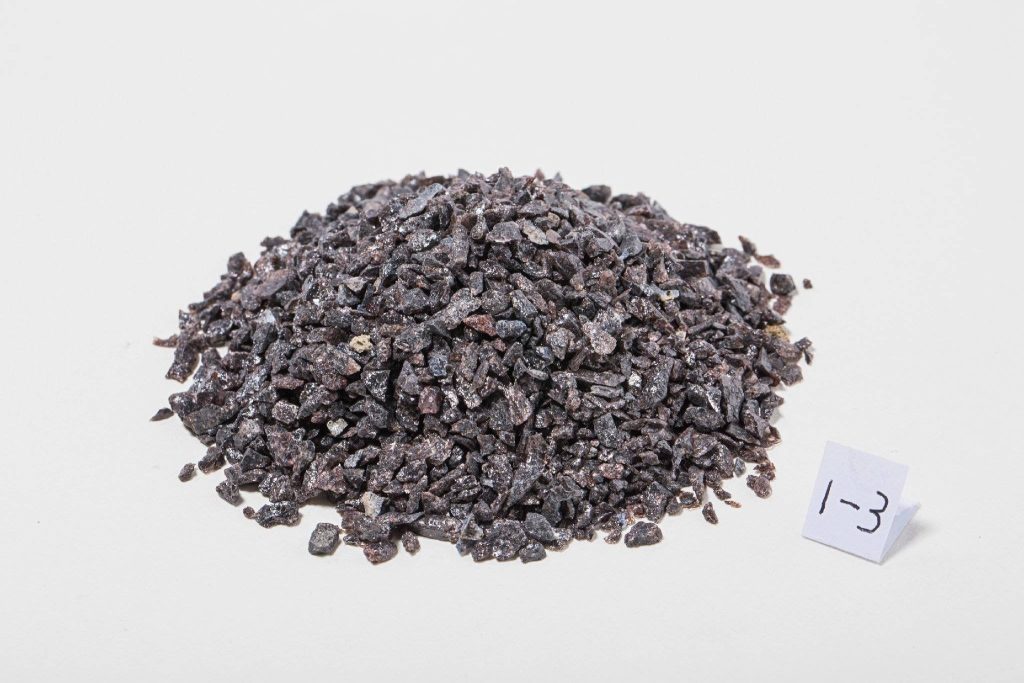
For a new order, give the supplier the product grade, particle range, bag type, expected transit and storage route, and any moisture acceptance method. Ask how the lot will be labeled and how damaged packaging will be handled at loading. The F grit family and the refractory grain family may require different handling details, so keep their packing instructions distinct. Use the export packing checklist for documents and labels, and the receiving inspection guide to plan the arrival checks. A storage instruction is useful only when both ends can verify it.
Common mistakes
- Treating a sealed outer bag as proof that the grain inside has no handling change.
- Mixing bags from several lots before investigating a water mark.
- Recording only a container number and losing the lot-to-bag connection.
- Assuming a desiccant compensates for a damaged container or wet floor.
Related technical guidance
Frequently asked questions
Is any visible clumping an automatic reason to reject brown fused alumina?
No. Isolate the material, document the condition and compare representative samples with the agreed limits and the intended process. The disposition depends on the purchase specification and the evidence, not on one photograph alone.
Should coarse grain and fine powder use one identical storage instruction?
They may share dry, clean and traceable storage requirements, but sampling, flow behavior, packaging and acceptance tests can differ. Confirm each product's handling needs rather than copying a generic warehouse note across all grades.