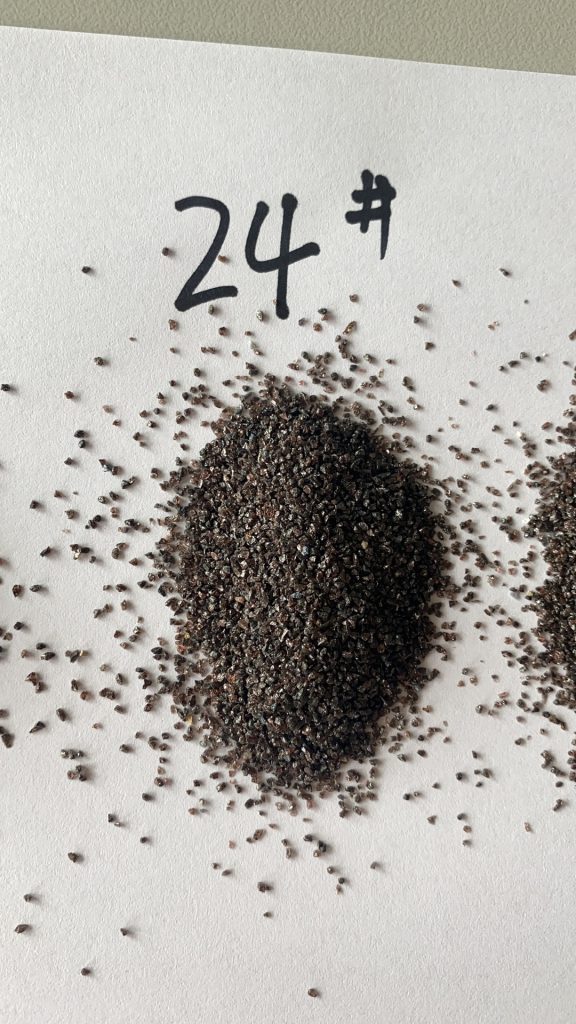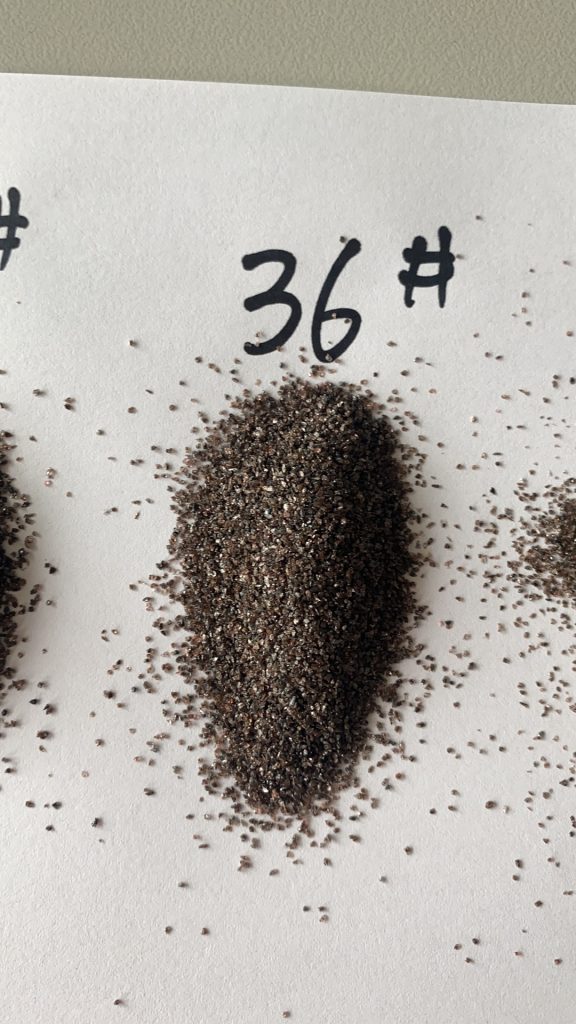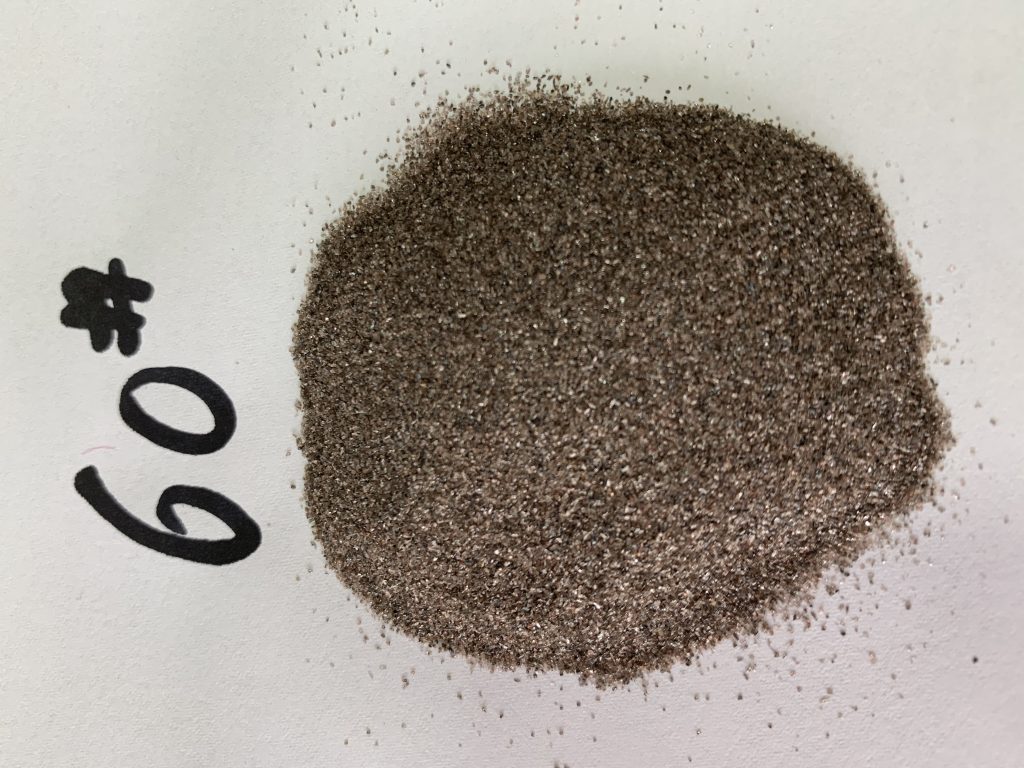
TECHNICAL GUIDE / 2026-10-02
Short answer. Grit grade cannot be selected independently from the blast setup. Record the nozzle, pressure, standoff, angle, substrate, target surface and media condition; then trial candidate F grades under controlled settings. A process adjustment should be documented separately from a material change.
Why the same grit can give different results
A production team may reject a brown fused alumina grade after a short trial, even though the trial changed the nozzle or pressure at the same time. The abrasive reaching the workpiece is part of a system. Machine setting, nozzle condition, operator distance and angle, substrate shape and whether the media is fresh or recovered all influence the observed cleaning or profile. Without those details, a grade comparison becomes a comparison of uncontrolled operating conditions.
Start with the project's actual surface requirement. Describe the material and starting condition of the workpiece, the coating or contamination to remove, and the inspection method for the finished surface. If the target comes from a coating specification, use that specification's acceptance method. The supplier's data sheet identifies material; it does not replace the job's process limits or prove a finished surface result.
| Trial input | Record |
|---|---|
| Abrasive | F grade, lot, fresh or recycled condition |
| Nozzle | Type, opening and wear condition |
| Setting | Pressure, standoff and angle |
| Workpiece | Material, geometry and starting surface |
| Target | Cleaning or profile acceptance method |
Hold the equipment stable before comparing grades
Choose representative workpieces or areas and bring the blast equipment to a documented baseline. Check the nozzle and pressure measurement under the site's own maintenance procedure. Run the first candidate with a named F grade and record the time, media consumed and achieved surface. When testing another grade, keep the setup as close as practical. If a different setting is required to make that grade useful, record the change and explain the reason.
For complex parts, include edges, holes and sensitive sections rather than relying only on a flat coupon. The working distance and angle may vary in production, so note what the operator can realistically hold. If a run fails, repeat the measurement before assigning cause: a changing nozzle, inconsistent pressure supply, altered media mix or different contamination on the part can all mislead the conclusion. A retest can be cheaper than ordering the wrong grade.
| Comparison | Interpretation |
|---|---|
| Same setup, different grade | Shows a material effect under that setup |
| Different setup and grade | Shows a combined system result |
| Different surface condition | Needs a separate baseline |
Use a planned sequence for adjustments
If the first candidate does not meet the target, decide which variable to investigate next. The process team may first confirm equipment condition and media feed, then test another F grade, or it may choose a pressure adjustment while keeping the media fixed. The order is not universal; the useful discipline is to record one deliberate change at a time and compare it with the original acceptance measure.
Keep a small table of trial runs with grade, lot, equipment settings, part type, result and any rework. Include media top-up and fines removal when the same abrasive is recycled. A change in working distribution over time can look like a nozzle or pressure effect. If several operators or shifts participate, use the same definitions and sampling method. Otherwise the apparent 'best grit' can simply be the run with the easiest parts or newest nozzle.
| Run field | Example of a useful note |
|---|---|
| Material | Exact F grade and batch |
| Change | Nozzle replaced; grain unchanged |
| Result | Accepted or rejected by named inspection method |
| Follow-up | Repeat at production scale or revise specification |
Write the material and process documents separately
When a candidate is accepted, record the grade, particle distribution, chemistry or physical limits and test documents in the purchase specification. Put pressure, nozzle, media recovery and inspection settings in the blast work instruction. Keeping the two documents separate helps quality staff determine whether a future deviation arose from supply or operation. It also avoids asking the supplier to guarantee a finished surface without control over the plant's equipment.
CHAOYAN's F grit pages and PDS files can support the material side of this decision. Send the supplier the current F model or sample, substrate, target surface, nozzle and pressure range, whether the abrasive is recycled and the quantity needed for a trial. The team can discuss a candidate product, while the buyer approves it through the actual blast setup and agreed acceptance criteria.
Selection guidance
Select the F grade only after defining the workpiece and surface target. Keep a run sheet that separates material changes from nozzle and pressure changes, and request the exact model PDS for the accepted candidate.
Common mistakes
- Declaring a grade unsuitable after changing nozzle and pressure without a baseline.
- Comparing fresh and recycled media as if they were the same charge.
- Using surface appearance alone when the project specifies a measured criterion.
- Putting machine operating guarantees into a raw-material PDS.
Frequently asked questions
Can a higher pressure compensate for the wrong grit?
A pressure change can alter the process result, but it is not evidence that the material now meets the intended specification. Test and document the combination under the project acceptance method.
Do I need to record nozzle wear?
Yes when it can affect a comparison. Record nozzle condition before and during grade trials so a maintenance change is not mistaken for an abrasive effect.