TECHNICAL GUIDE / 2026-10-03
Short answer. Brown fused alumina P grit for woodworking belts should be selected with backing, coat weight, bond and wood condition. Compare belt life, scratch pattern and loading on the intended timber or panel rather than choosing from the P number alone.
Define the job before naming the abrasive
Wood species, resin content, moisture, grain direction and the prior machining step change belt behavior. A wide-belt sander preparing a veneer substrate has a different goal from a hand belt removing a glue line. Define required stock removal, allowable scratch depth and whether the next process is staining, painting or another sanding pass. A grit that seems efficient on one board may reveal defects only after finishing.
Write the requirement as an observable result. Identify the incoming workpiece or formulation, the stage at which the abrasive is used, and the step that follows. Agree on how a pass and a failure will be measured. The same material may be suitable for one stage and unsuitable for another because the geometry, process medium or acceptance rule changes. A supplier can help narrow grades, but the processor owns the operating conditions and finished result. If a drawing or customer procedure already controls the choice, bring that document into the trial plan.
Compare delivered grades, not just material names
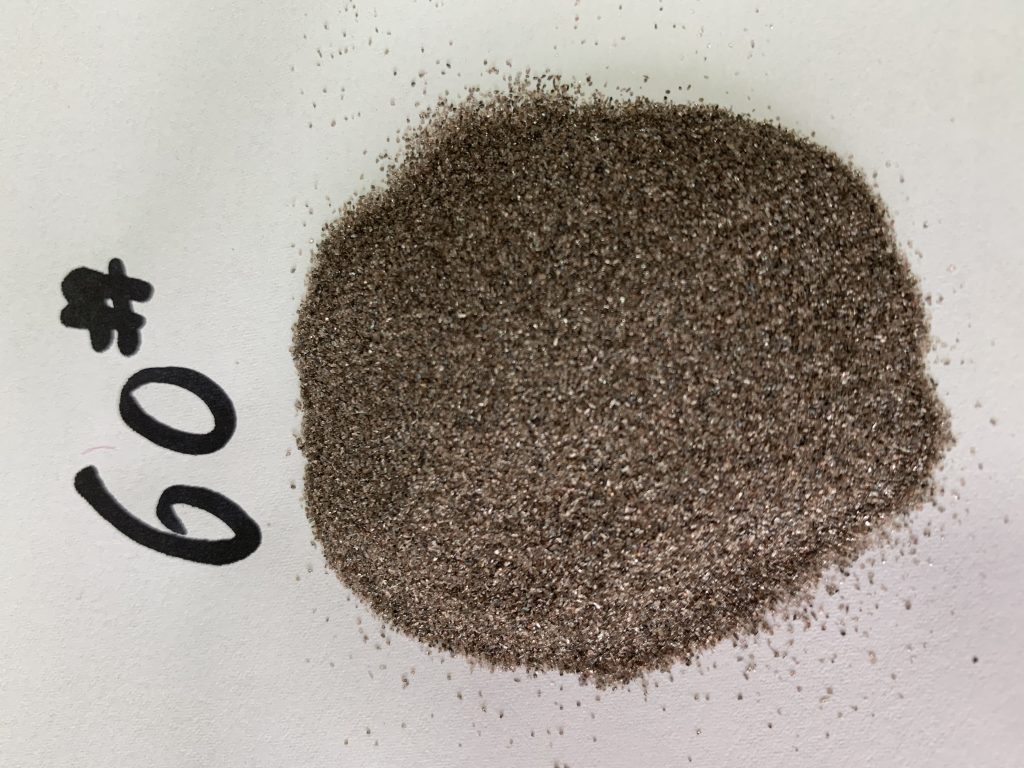
P-series grain is the relevant designation for coated abrasive manufacture. Brown fused alumina is one grain option, but belt performance also depends on backing, make coat, size coat and any anti-loading treatment. Compare P grades in the same belt construction first. A second experiment can compare constructions. Do not assume a P number maps to a single micron value or that an F-grit purchase order is an acceptable substitute.
Use the offered batch or a representative retained sample. Ask how size distribution was measured, what grade designation applies and whether the information is typical product data or a batch-specific test. Nominal size is useful for screening but does not describe every particle in a delivery. Compare the data with the existing approved input, including fines and oversize where they matter. Keep product family, grain grade and the finished tool or mix specification as separate records; confusing them makes a later purchase order hard to repeat.
Build a trial that isolates the decision
Use boards or panels from the same material batch and condition them consistently. Record belt speed, feed, pressure, contact drum or platen and dust extraction. Run enough length to observe loading and cut loss, not just a new belt’s first pass. Measure stock removal and inspect scratch pattern under the planned final finish. Separate belt splice or backing failures from grain performance.
Record the baseline before introducing a substitute. Use comparable parts or batches and hold the main machine and formulation variables steady in the first round. Mark every sample with the abrasive lot, date and run conditions. If the comparison exposes a promising candidate, optimize its process settings in a separate round. This sequence prevents a simultaneous change in media, pressure, feed or binder from being credited to the wrong cause. Include normal equipment wear and reclaimed media only when those conditions are part of production.
Inspect both the result and the next operation
Look for burnishing, torn fibers, deep isolated scratches and resin loading. Check whether the next grit can remove marks from the prior step within the normal cycle. Track belt consumption per accepted panel and any rework. A faster initial cut can cost more if it loads quickly or causes visible finish defects. Preserve sample boards for a joint review with the belt maker.
Define the inspection method before seeing the samples. Look at average performance and localized failures such as corners, edges, recesses or individual deep marks. If another operation follows, carry the trial through that step because a clean intermediate surface can still cause downstream rework. Record consumption, yield and handling alongside technical measurements. A faster pass is not automatically economical when it raises scrap, tool replacement or cleaning time. Retain rejected and accepted samples for a review with the processor and supplier.
Make the buying specification reproducible
Specify P grade, distribution or applicable standard, belt construction, wood type, finish objective and trial method. The grain supplier should provide lot data; the coated abrasive maker is responsible for the belt design. Keep approved grain and backing revisions together. A change in timber species or coating finish may warrant a new grade sequence.
Keep an approved sample, the supplier's product data sheet, the applicable batch report and the internal trial record together. A product sheet describes a supply range; it is not evidence that every shipment or finished part has a particular performance. State the order of precedence if purchase text, drawing and trial approval differ. At receipt, compare the delivered label and batch paperwork with the approved description. Hold an unapproved substitution for review rather than relying on a similar-looking material name.
Close the loop after a successful trial
Once a candidate passes, document exactly which conditions made the decision valid: the material family, grade, size method, supplier lot, equipment or formulation revision, inspection method and downstream step. Tell production and purchasing which changes require a repeat trial. A later problem can then be traced to a controlled difference instead of debated from memory. If the intended use is outside the tested window, obtain a new sample and repeat the relevant checks. This is particularly important when a raw abrasive is incorporated into a wheel, belt, refractory mix or coating preparation process, where the finished result depends on several organizations.
Selection guidance
Start with the current approved grade or process as a reference. Ask for one or two candidate lots that meet the written input limits, and compare them on representative work. Rank each candidate against the actual acceptance rule, then consider operating cost and supply consistency. A laboratory measurement can help explain a result but should not replace the finished-part or finished-mix trial. If no candidate passes, revise the process question or equipment setup before widening material choices. For woodworking abrasive belts, retain the control sample and the test conditions used to approve it.
Common mistakes
- Choosing from the abrasive family name without an agreed grade and batch report.
- Changing several process settings during the first material comparison.
- Approving a visually acceptable sample without the required downstream check.
- Losing the connection between the tested lot and the repeat purchase order.
Related technical guidance
Frequently asked questions
Can a nominal grit number alone settle this selection?
No. It screens possible candidates, but the delivered distribution, machine or formulation and finished-result test decide whether the material fits. Use the applicable F, P or refractory grain designation and confirm the measurement method with the supplier.
When should the trial be repeated?
Repeat the affected checks when the input grade or supplier lot characteristics, equipment, binder, workpiece or acceptance requirement changes beyond the approved window. The change record should say which prior evidence remains applicable and which result needs fresh verification.