TECHNICAL GUIDE / 2026-10-02
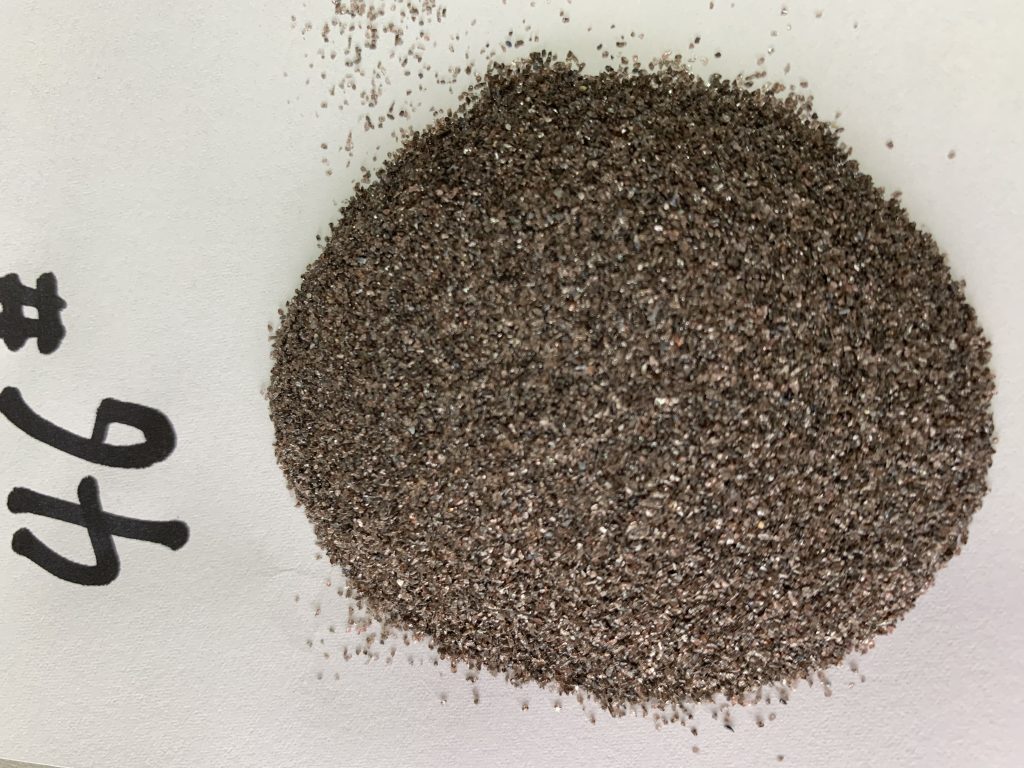
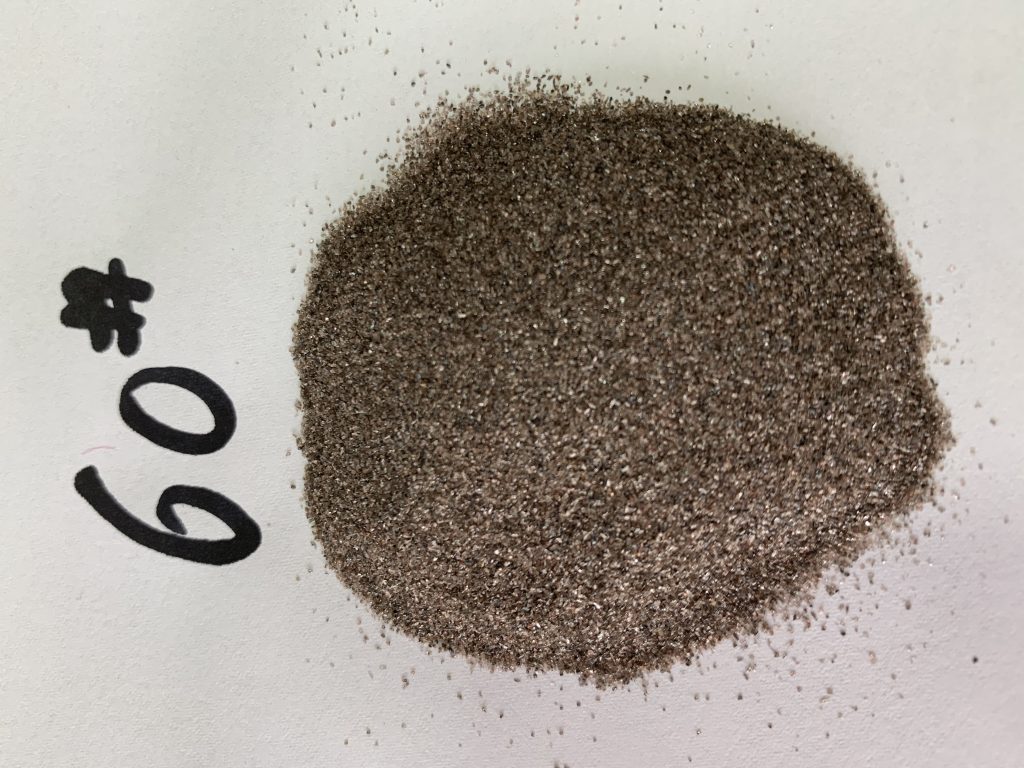
Short answer. F46 and F60 are separate CHAOYAN F grit models. Choose between them by the finished tool design and the required particle distribution, then compare samples in a controlled grinding or wheel-production trial. A shared chemical band does not make the grades interchangeable.
Identify the decision the grade change is meant to solve
A wheel producer may ask whether F46 or F60 is the better brown fused alumina grade, but the question is incomplete without a tool and performance target. The same raw grain can enter different bonds, structures and wheel geometries. State the existing wheel type, work material, operation and the problem the trial is intended to address. Is the goal a different finish, cutting behavior, tool life or manufacturing consistency? Choose measurable acceptance criteria before the new grain arrives.
If the purchase is a supplier replacement rather than a grade change, hold the F grade constant first. Comparing a new supplier's F60 with an incumbent F46 mixes supplier and grade effects. Label both factors in the trial plan. Keep the current PDS, batch report and a representative sample so the proposed material can be assessed against the baseline, not against a vague recollection of past performance.
| Question | F46 trial | F60 trial |
|---|---|---|
| Material identity | Exact F46 PDS and lot | Exact F60 PDS and lot |
| Tool context | Same bond and geometry | Same bond and geometry |
| Acceptance | Named grain and wheel measures | Same measures and method |
Read the product records at the correct level
CHAOYAN publishes distinct English product pages and PDS files for F46 and F60. The specification columns and any model-specific physical rows should be read for the exact product. A family range provides screening information but does not replace the required grade distribution or the accepted order limit. Do not copy a sample composition from another F model simply because it shares a family label.
Ask which particle distribution standard and edition apply to the purchase. The grade number identifies a category; the accepted range, method and sampling plan determine whether a delivered lot conforms. Record any specified magnetic content, bulk density or shape requirement only if it is relevant to the wheel design and supported by the agreed technical sheet. A blank value on a public page is a reason to request the current sheet, not permission to invent a target.
| Document | Use |
|---|---|
| Product page | Confirm product identity and available published values |
| PDS | Review current reference ranges and document ID |
| Agreed sheet | Set the order acceptance limits |
| Batch result | Check the material actually delivered |
Plan a wheel trial that isolates the grain change
Make enough wheels or grinding samples to represent the normal production route. Keep bond recipe, forming method, curing or firing conditions, wheel geometry and dressing procedure stable where practical. If the process needs an adjustment for one grade, make that a planned second trial. Otherwise a positive result could come from the process change rather than the grain, and a negative result might unfairly reject a usable material.
Measure both the raw grain and the finished tool. The grain check confirms that the supplier delivered the proposed model and distribution. The wheel trial measures the buyer's actual objective under named working conditions. Record the work material, machine, operator method, result and any rejected tools. If a grade change affects manufacturing yield, include that observation rather than publishing only a favorable grinding result.
| Trial layer | What it can establish |
|---|---|
| Incoming grain | Conformance to the material specification |
| Wheel production | Manufacturing behavior under the selected recipe |
| Grinding test | Performance under the buyer's test method |
Approve the grade and document the change
When a candidate passes, update the bill of materials, sample label, purchase sheet and quality inspection plan with the complete F designation. Include chemistry, distribution, relevant physical properties, packing and batch documentation. Keep the accepted wheel trial and raw grain lot linked. If the tool is qualified for a customer application, follow the customer's own change-control requirements before substituting the grade on a commercial order.
A useful inquiry to CHAOYAN includes the current F grade, wheel type, bond, work material, target result, trial quantity and expected repeat volume. The team can provide the exact F46 or F60 PDS and discuss a sample. The supplier can document raw grain properties; the wheel producer remains responsible for proving the finished tool in its process. This distinction keeps the commercial specification precise and the performance claim evidence-based.
Selection guidance
If the question is supplier equivalence, compare the same F grade first. If the question is a grade change, trial F46 and F60 with the same wheel design and acceptance method, then document any process adjustment separately.
Common mistakes
- Treating F46 and F60 as interchangeable because a chemical range is shared.
- Changing supplier, grade and bond at once.
- Using the public PDS as a finished-wheel performance guarantee.
- Approving a grade without linking it to a labeled raw grain lot.
Frequently asked questions
Is F60 always better for a finer grinding result?
The grade designation alone cannot establish the finished result. Test the grain in the actual wheel or grinding process against the buyer's acceptance criteria.
Can one PDS cover both F46 and F60?
Each CHAOYAN model has its own product page and English PDS. Use the exact document for the model being quoted or sampled.