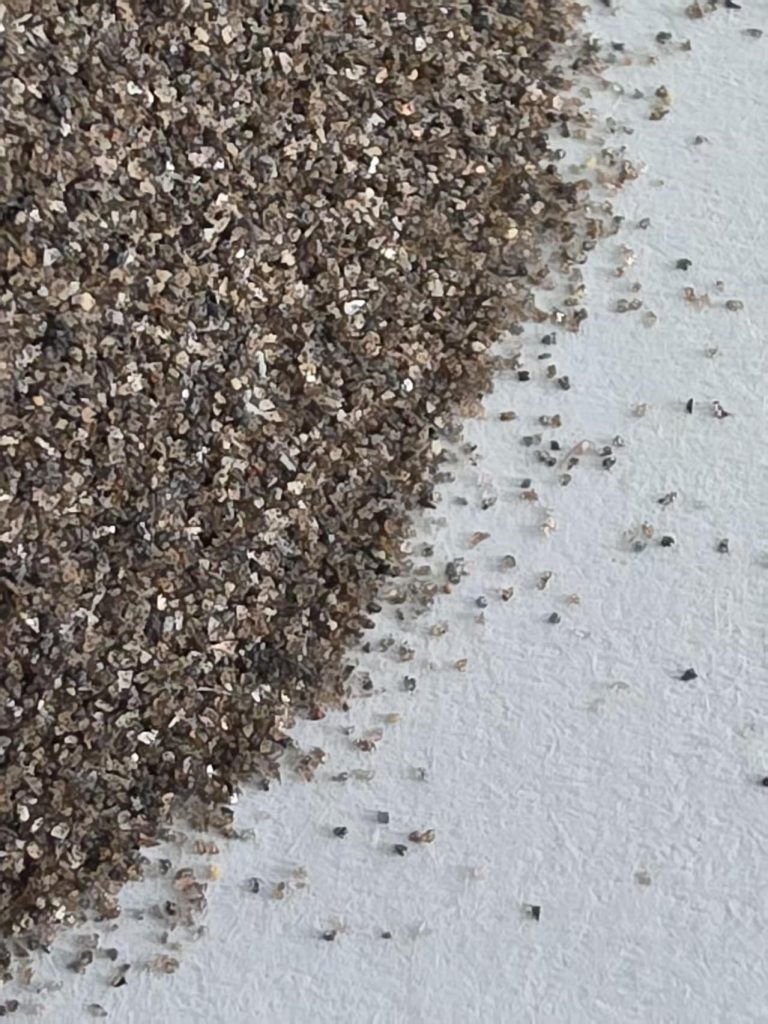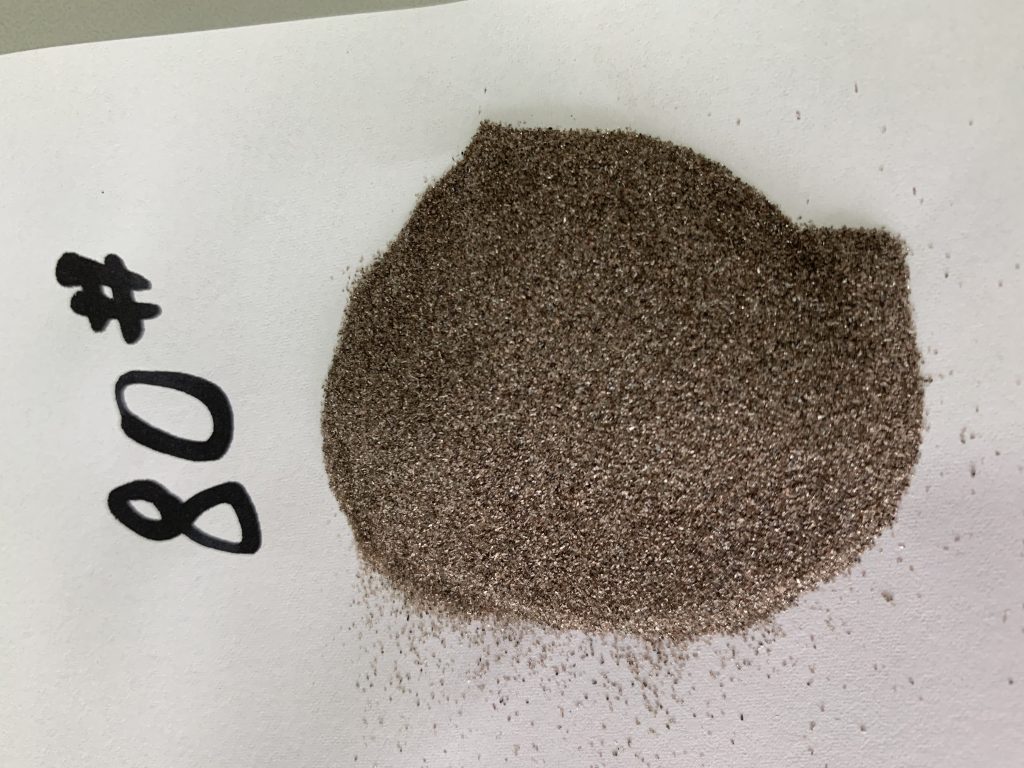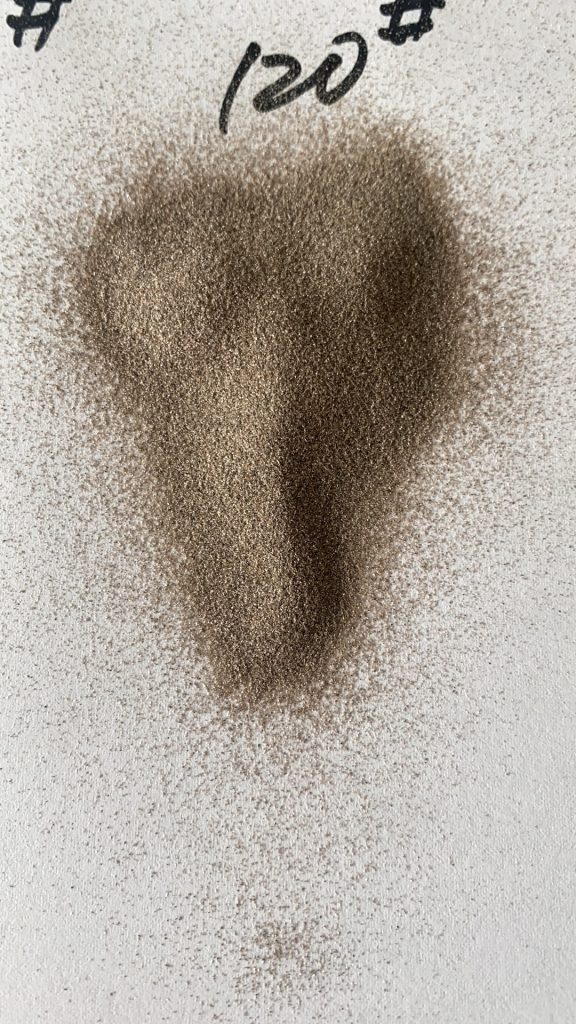
TECHNICAL GUIDE / 2026-10-02
Short answer. A glass blasting request needs the glass type, part geometry and target visual or functional surface before a grain is chosen. CHAOYAN lists a glass blasting use case, but suitability of a particular F grade must be checked on representative parts under the buyer's equipment and inspection method.
Describe the intended surface, not just the material
'Blasting glass' can mean removing a coating, creating a surface effect, preparing an area for another process or cleaning a component. Those goals require different acceptance criteria. State the glass product, thickness, edge condition, areas to treat and areas to protect. If the part has a decorative or optical requirement, define how it will be inspected and what variation is acceptable before asking for a grit quotation.
Photographs of a desired finish can help communication but may not be enough for a repeatable order. Where appearance matters, agree a reference sample, lighting and inspection distance. Where downstream processing matters, describe the next step and its acceptance test. Do not treat a sample that looks acceptable on flat scrap as proof that the same setting is safe or suitable on a shaped production part.
| Buyer input | Why it is needed |
|---|---|
| Glass product and geometry | Identifies sensitive areas and representative parts |
| Treatment area | Defines masking and coverage |
| Target surface | Creates a pass/fail comparison |
| Next process | Shows whether cleaning or adhesion checks are needed |
Control the trial conditions carefully
Use the site's approved glass handling and blast safety procedures. Select a small, representative sample and record its starting condition. Name the brown fused alumina grade and batch, then document the pressure, nozzle, distance, angle, exposure and whether the grain is fresh or already used. If the equipment or material changes, log the change before comparing results. This article does not prescribe a safe pressure or universal grade for glass.
Inspect the treated surface and the edges, not only the area that was intentionally blasted. If the target is a visual effect, compare it against the reference under consistent conditions. If the goal is to remove material, record whether the required cleaning was reached and whether the substrate remains acceptable. If a run fails, adjust one parameter deliberately and repeat on another representative sample rather than continuing on customer parts without a documented basis.
| Trial control | Record |
|---|---|
| Material | F grade, lot and condition |
| Equipment | Nozzle and pressure setting |
| Exposure | Distance, angle and time or passes |
| Inspection | Surface, edge and downstream result |
Distinguish media suitability from finish repeatability
One acceptable sample shows that a candidate can be investigated further; it does not establish repeatability across production. Repeat the trial on the part geometry and starting surface variation that the order will include. If the abrasive is recovered, check whether the working mix changes the surface effect after several cycles. Document top-up, fines removal and equipment maintenance. A finish that shifts as the cabinet ages may require process controls as well as a tighter incoming material specification.
For repeat purchases, preserve the accepted reference sample and written inspection method. Agree the F grade, distribution, relevant chemical or physical requirements, packing and batch report with the supplier. Keep the blast work instruction separate. When the buyer changes glass type or surface target, treat it as a new qualification question; the previous material approval may still be useful, but it cannot prove a different result without a trial.
| Approval record | Owner |
|---|---|
| Raw material limits | Purchase specification and supplier batch report |
| Blast settings | Production work instruction |
| Surface appearance or function | Buyer acceptance sample and test method |
Prepare a useful inquiry to the supplier
CHAOYAN's catalog contains a glass blasting use case and individual F grit models. Start with the use case, then request a named candidate grade and English PDS. Send the glass type, treatment objective, size and geometry of the part, machine route, whether the media will be reused, sample quantity and expected purchasing volume. If there is a current abrasive or target sample, label and describe it.
The supplier can then discuss material options and provide a sample for the buyer's controlled test. Do not ask a raw grain PDS to promise a particular optical or mechanical finish. The finished surface depends on the material and the process together. Once a grade passes the intended test, put the material and process limits into their respective documents before scaling from the trial to commercial supply.
Selection guidance
Open the glass blasting use case product and compare a small number of named F grades on representative parts. Define the surface acceptance sample and inspection method before ordering a full production lot.
Common mistakes
- Choosing a grade from a photograph without a defined finish criterion.
- Testing flat scrap and assuming edges or shaped parts will behave the same.
- Changing abrasive and blast settings together without recording either.
- Using a raw material sheet as a guarantee of finished glass appearance.
Frequently asked questions
Which F grade should be used for glass blasting?
No universal grade is specified here. Provide the glass type, target effect and equipment details, then test a named candidate under controlled conditions.
Can a successful sample be used for every glass product?
A sample supports the stated part and process. Changes in geometry, glass type or target surface should be reviewed and trialed before repeat use.