TECHNICAL GUIDE / 2026-10-02
Short answer. There is no useful universal winner between brown fused alumina and garnet for every blasting job. Define the substrate, required cleaning or profile result, machine settings, media recovery plan and acceptance method. Trial named products under comparable conditions before choosing a purchase specification.
Begin with the job that the abrasive must perform
A buyer may see brown fused alumina and garnet offered for the same blasting project, yet the purchasing decision cannot be made from the material names alone. One workshop may remove a coating before inspection; another may prepare a steel surface for a specified coating system. Those jobs have different starting surfaces, acceptance measures, equipment and media handling. Write the workpiece material, contamination, target condition and inspection method before comparing quotations.
The word 'grit' is also insufficient. Ask each supplier for a named product, its grade or size range, a current data sheet and the method used to check particle distribution. A nominal label from one product family does not guarantee the same working mix as a similar-looking label from another. Keep the sample identity and batch number with the trial record so a successful result can be translated into a repeatable order.
| Comparison input | Record before trial | Why it matters |
|---|---|---|
| Workpiece | Material, geometry and starting condition | Defines the real job |
| Target | Cleaning or profile acceptance criterion | Creates a pass/fail measure |
| Media | Named grade, sample lot and condition | Prevents a label-only comparison |
| Equipment | Pressure, nozzle and recovery setup | Controls the process |
Compare the working process, not a catalog adjective
A catalog may call one medium 'aggressive', 'reusable' or 'clean'. Those words do not say what will happen on your part. Run each candidate on representative workpieces with the same operator method and documented pressure, nozzle, distance and exposure time. If a candidate needs different settings to meet the target, record the adjustment explicitly instead of treating the two trials as identical.
Include awkward areas in the evaluation: corners, welds, edges, thin sections and surfaces that will be inspected or coated. A medium that performs well on a flat coupon may behave differently on the actual geometry. Record the achieved surface condition and the time or media consumption needed to reach it. If the process has dust, contamination or handling limits, use the site's approved measurement and safety procedures rather than assuming one material automatically complies.
| Observation | Useful record |
|---|---|
| Surface result | Photo and inspection result under the project method |
| Process time | Comparable area or part count |
| Media use | Fresh media and replenishment, with recovery noted |
| Equipment condition | Nozzle and recovery condition during each trial |
Make reuse and total cost comparable
Purchase price per bag is only one input when a workshop recovers blasting media. Record the amount charged into the system, how much is added during the run, what is discarded and when fines are removed. A working mix changes with use, so inspect it at a defined cycle rather than comparing fresh material from one supplier with repeatedly used material from another. The economics should be based on acceptable cleaned output over the same period.
If the job is single-use, simplify the calculation: compare delivered media cost, consumption, disposal and the labor or machine time needed for acceptable work. If a lot fails the surface requirement, the cost of rework belongs in the comparison. State which costs are included and avoid extrapolating a short trial into a guaranteed annual saving. A purchasing decision is stronger when production, quality and procurement agree on the same cost boundary.
| Cost boundary | Include |
|---|---|
| Single use | Media consumed, labor, disposal and rework |
| Recovered media | Initial charge, top-up, fines removal and acceptable output |
| Supplier comparison | Same period, workpiece and acceptance standard |
Turn the preferred trial into a supply requirement
Once a candidate meets the surface and operating targets, ask the supplier to identify the exact grade, size distribution, chemistry or physical requirements that are relevant to the purchase. Keep the accepted sample, inspection notes and batch result together. If the supplier proposes a different grade or processing route later, treat it as a new trial until equivalence has been demonstrated under the buyer's method.
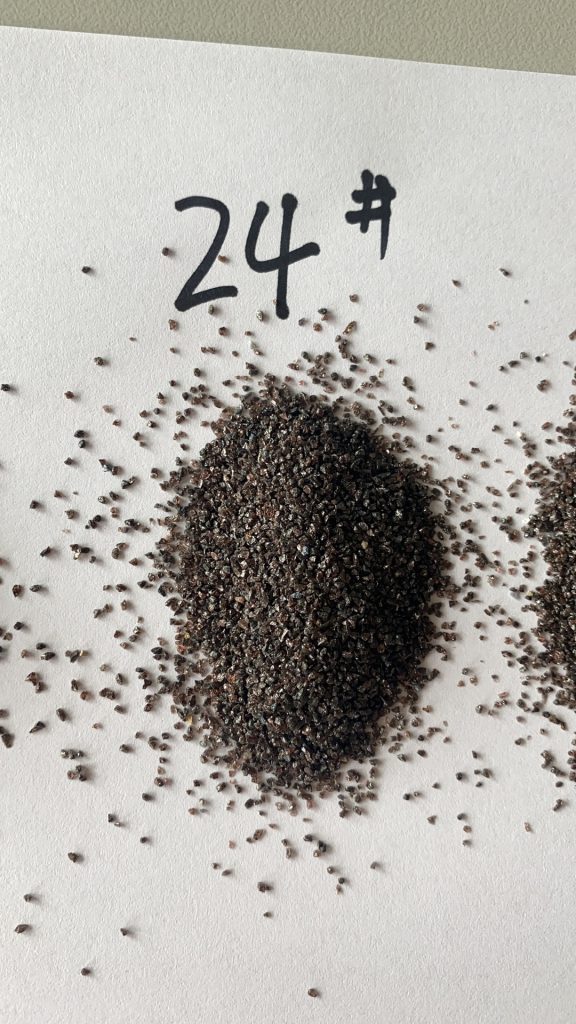
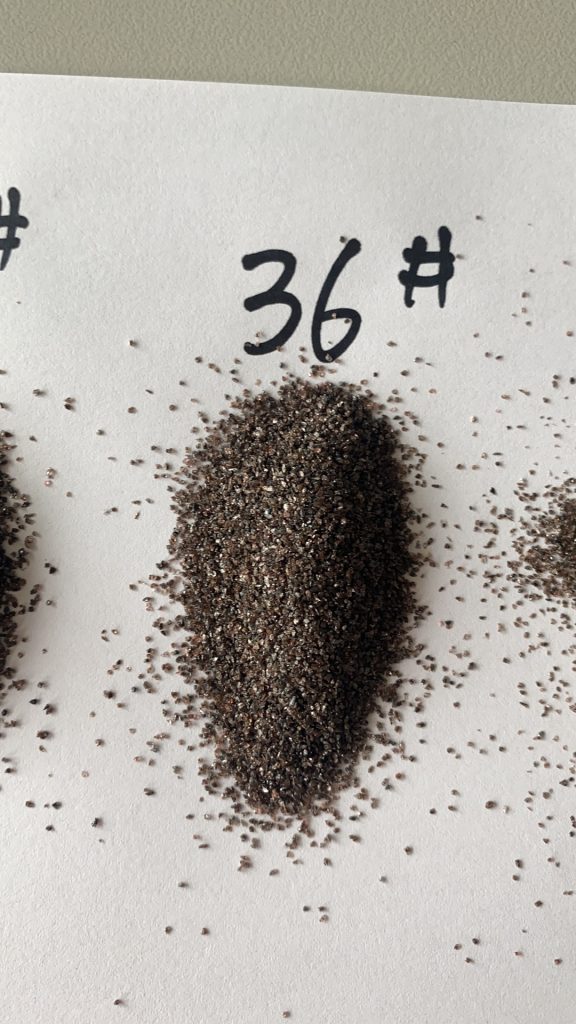
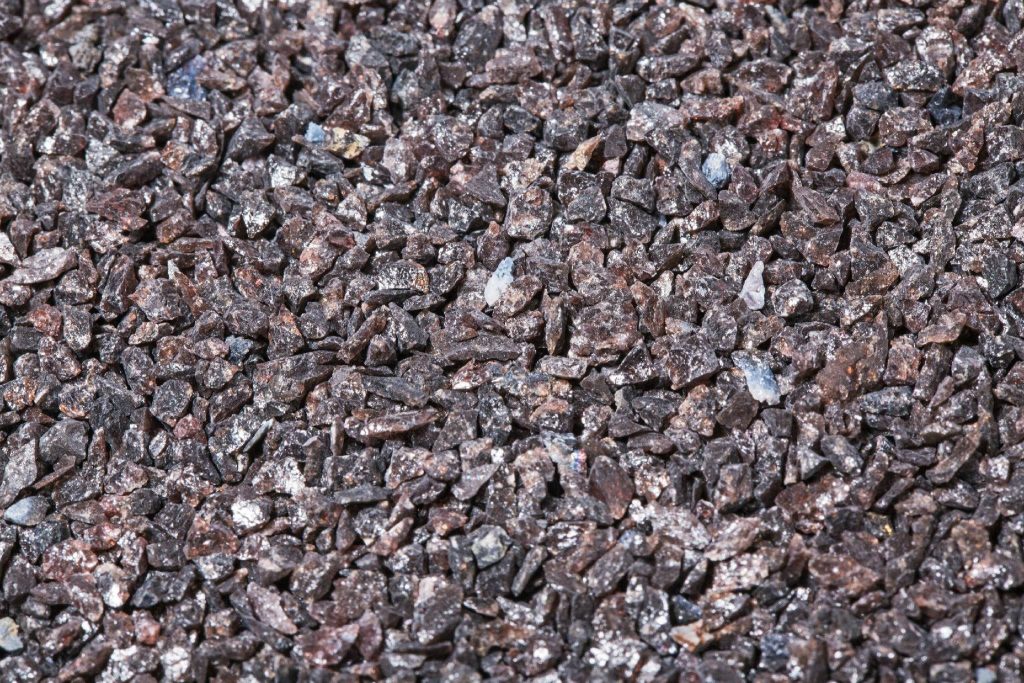
CHAOYAN lists brown fused alumina F grit and dedicated blasting use cases. Its product pages and PDS files provide a starting point for a brown fused alumina inquiry, but the public document is not a blanket claim that it will outperform garnet. Send the substrate, target surface, equipment settings, media recovery plan, current grade and required volume. That gives the supplier enough context to recommend a specific candidate and supply a labeled sample for comparison.
Selection guidance
Use a controlled side-by-side trial with a written surface acceptance method. Request the exact CHAOYAN F grade PDS and label the sample; compare it with the named garnet product under the same cost and quality boundary.
Common mistakes
- Comparing only price per tonne while ignoring accepted output and reuse.
- Treating two nominal grit labels as proof of equal particle distributions.
- Changing pressure and media together without recording the reason.
- Calling a laboratory or catalog claim a guaranteed production result.
Frequently asked questions
Is brown fused alumina always more reusable than garnet?
The answer depends on the named products, equipment, recovery method and acceptance limit. Measure top-up, discarded fines and acceptable output in your own process.
Can one supplier's grit number replace another's directly?
No. Compare the applicable size distribution and sample results, then confirm the accepted limits in the order specification.