TECHNICAL GUIDE / 2026-10-02
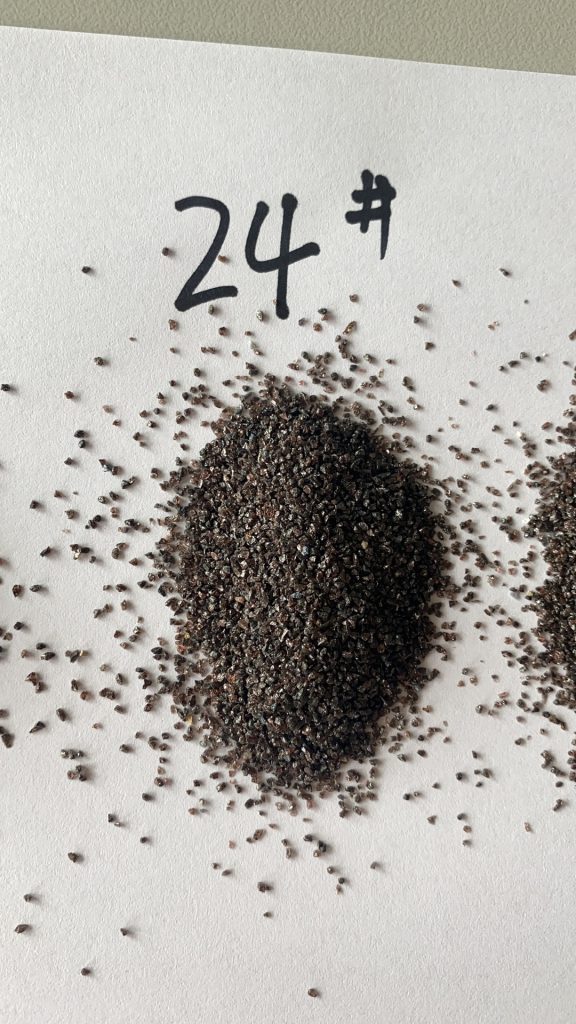
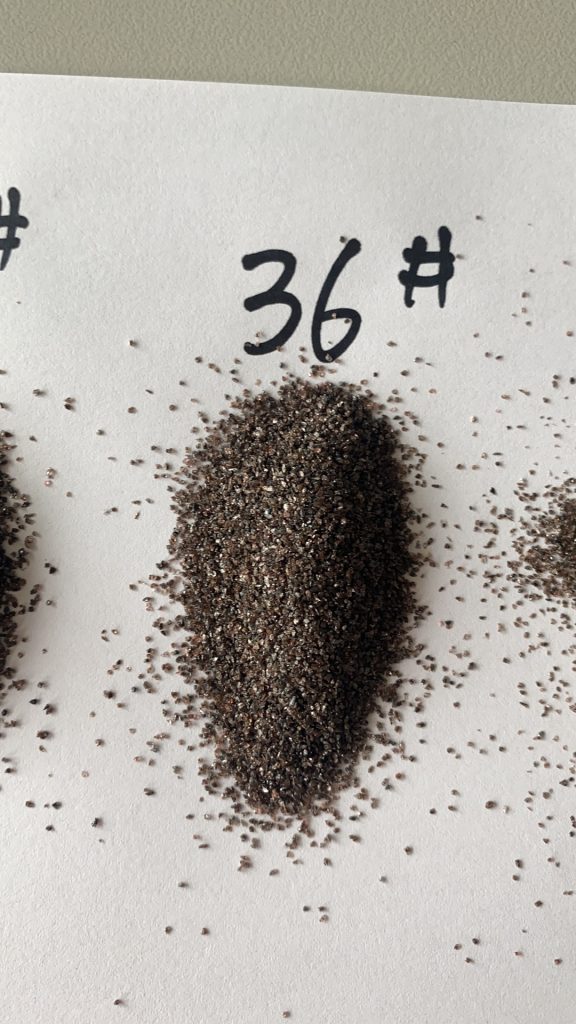
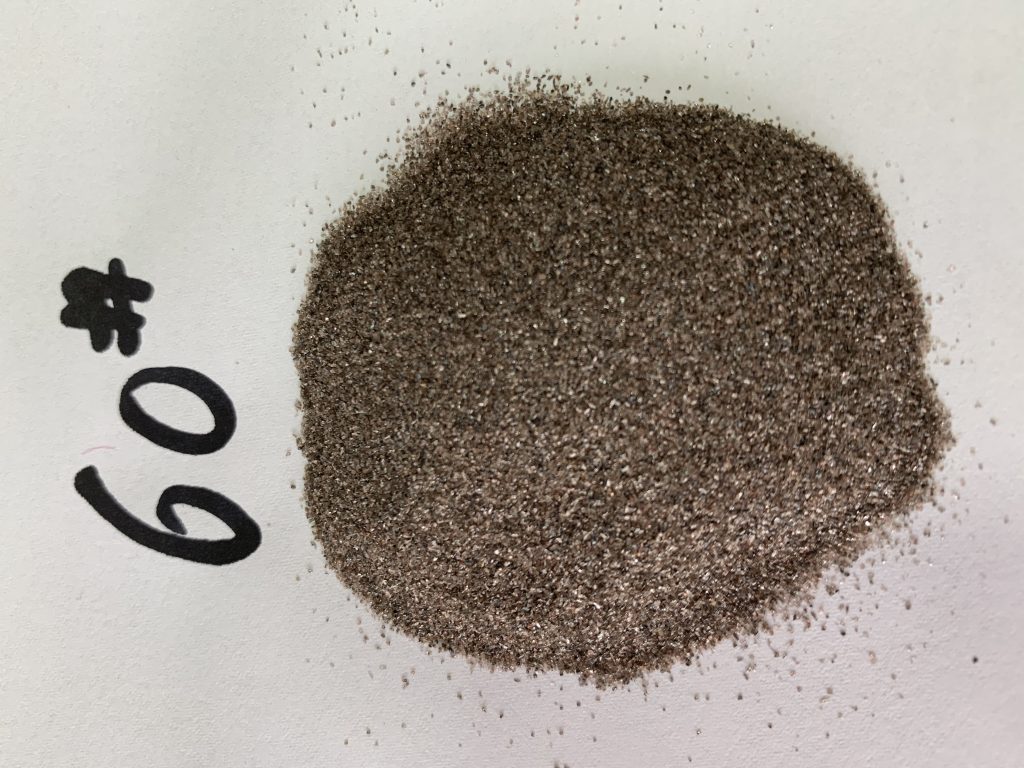
Short answer. Brown fused alumina and steel grit are different abrasive materials. Select between them by the required surface condition, substrate, equipment, contamination controls, recovery process and documented trial result. Neither material name alone proves the correct choice for a particular coating or workpiece.
Define the surface specification first
A steel grit quotation and a brown fused alumina quotation can look comparable when both are described as blasting media. In practice, the buyer must first define the work. Is the surface being cleaned for visual inspection, prepared for a coating, or stripped before repair? What was on it before blasting, and how will the finished condition be accepted? State the workpiece material, geometry, coating or scale condition and the inspection procedure.
The substrate matters because some parts have thin sections, edges, recesses or material restrictions that a flat steel test panel does not represent. The project may also have rules about foreign material, downstream cleaning or residues. Do not assume either medium automatically meets those rules. Include the required checks in the trial, especially when the part will be coated, bonded, heat treated or inspected after blasting.
| Requirement | Question for the buyer |
|---|---|
| Starting surface | What coating, corrosion, scale or contamination is present? |
| End condition | Which project inspection or coating criterion applies? |
| Geometry | Are edges, holes or thin sections part of the job? |
| Downstream step | What cleaning or contamination check follows blasting? |
Specify the actual media and equipment
Steel grit and brown fused alumina should each be identified by a named product, grade or size range, batch and supplier document. Avoid comparing only a generic 'steel grit' label with an exact F grade. Ask for the distribution, condition and test method for both samples. A sample that has already been cycled through a blast cabinet is not equivalent to a fresh, sealed sample unless the trial is expressly studying reuse.
Record the blast machine, nozzle or wheel equipment, pressure or operating setting, distance, angle and media recovery route. If the machine is designed or maintained around one medium, document any changes needed for the other. A result obtained after changing several settings is still useful, but it is a comparison of two operating systems rather than a simple material swap. Keep that distinction in the purchasing decision.
| Controlled variable | Trial record |
|---|---|
| Media identity | Product, grade, lot and initial condition |
| Machine | Equipment and wear state |
| Operating setup | Pressure or wheel setting, nozzle, distance and angle |
| Recovery | Separation, fines removal and top-up method |
Measure quality and operating cost together
Choose a representative area or batch of parts and apply the same surface acceptance test to each candidate. Record how long the process takes, how much media is consumed or replenished, and whether any part needs rework. If surface profile is critical, use the project's approved measurement method. If contamination matters, use an appropriate downstream check instead of relying on visual appearance alone.
For recovered media, compare accepted output over a defined cycle. Initial charge, top-up, discarded material, equipment wear and cleaning effort may all matter; only include categories that the plant can measure consistently. A lower purchase price can be outweighed by a different operating cost, while a higher priced medium can fail to justify itself if the surface result is no better. State the scope and duration of the trial rather than publishing an unsupported savings claim.
| Measure | How to interpret it |
|---|---|
| Acceptance result | The surface must pass before cost matters |
| Throughput | Use comparable parts or area |
| Media consumption | Separate initial fill from replenishment |
| Rework | Count it in the same period and cost boundary |
Document the change if a substitute is approved
A successful trial does not make every future lot interchangeable. Record the accepted media grade, distribution, condition, packaging and batch documentation, and identify the equipment setup used during approval. If purchasing later proposes another supplier or grade, compare it with that record. This is especially important if the finished part enters a controlled coating, inspection or customer approval process.
CHAOYAN provides named brown fused alumina F grit products and English PDS files for a material-side comparison. An inquiry should include the substrate, starting and target surfaces, equipment, current media, recovery cycle, quantity and applicable acceptance standard. The supplier can then discuss a candidate grade and sample. Final suitability remains a production decision based on the buyer's controlled trial and agreed technical sheet.
Selection guidance
Request a specific brown fused alumina F grade and compare it with a named steel grit product on representative parts. Keep surface quality, operating settings and accepted output in the same trial record.
Common mistakes
- Assuming the material name is itself a coating approval.
- Comparing fresh brown fused alumina with already cycled steel grit without saying so.
- Counting purchase price but omitting rework and media top-up.
- Changing the blast equipment and declaring a pure media comparison.
Frequently asked questions
Does steel grit have the same grading system as CHAOYAN F grit?
Do not assume the grade labels are directly interchangeable. Obtain each supplier's distribution and test basis, then trial against the same surface requirement.
Which medium is better for a coated part?
The coating system's preparation and contamination criteria decide what must be tested. Compare candidates under that project specification and the actual equipment conditions.