TECHNICAL GUIDE / 2026-10-02
Short answer. Bulk density can be relevant to a grain handling or formulation decision, but the value must be attached to an exact model, grade column and test method. Compare it with the agreed order limit and delivered batch result; it cannot by itself predict wheel, belt or refractory performance.
Do not confuse bulk density with a finished product result
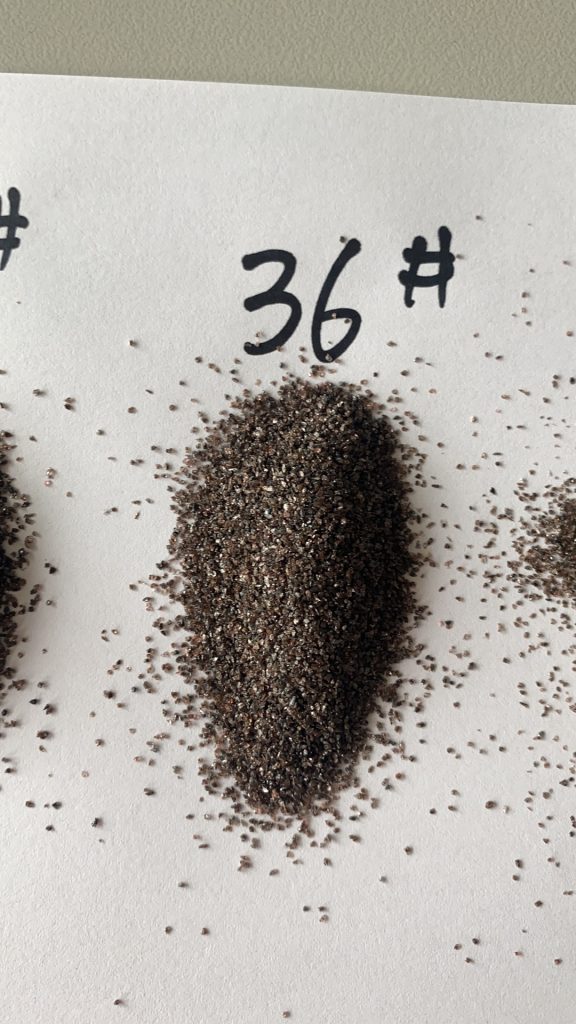
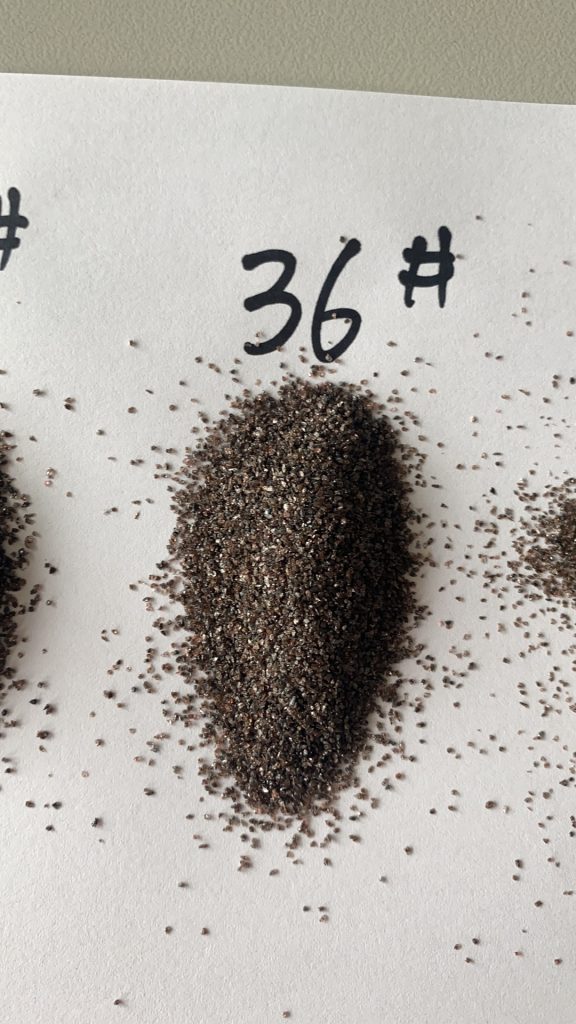
A brown fused alumina PDS may include a bulk density row for a named grit model. That number describes a material measurement under a particular method. It is not a direct measure of the density of a fired brick, a cured wheel or a coating made with the grain. Those finished products depend on formulation and process variables. Before adding bulk density to an RFQ, state which handling or manufacturing decision it will support.
For example, a plant may want to compare how a grain fills a container or behaves in a controlled mixing step. The relevant question is whether a specified range is needed for that process and how it will be checked. Do not state that a higher or lower number automatically delivers better packing, flow or tool life. A controlled trial with the actual particle distribution and shape is needed to interpret the value in context.
| Measurement | What it describes |
|---|---|
| Bulk density on a grain sheet | Named raw material under a test method |
| Finished wheel or brick density | A separately manufactured product |
| Process trial | Behavior in the buyer's actual equipment |
Read the exact product and column
CHAOYAN's technical source includes model-specific physical data for selected F and P grit products. Use the exact page and PDS for the proposed grade. Note the column, unit and whether the published number is a reference sample or a range. A value on an F36 sheet should not be pasted into a P36 or F60 purchase order merely because the materials share the same general brown fused alumina name.
If the public page has no numeric bulk density, ask for the current technical sheet if the buyer needs that parameter. A missing public value is not a promise that the property is uncontrolled or identical across models. The agreed sheet should specify test method, preparation, sampling and acceptance. Check that the supplier's batch report uses the same unit and basis before comparing its result with the order.
| Record | Check |
|---|---|
| Model | Complete F, P or other product identity |
| Column and unit | Exact specification context |
| Method | Sample preparation and test basis |
| Limit | Approved order value |
Review the value with grading and shape
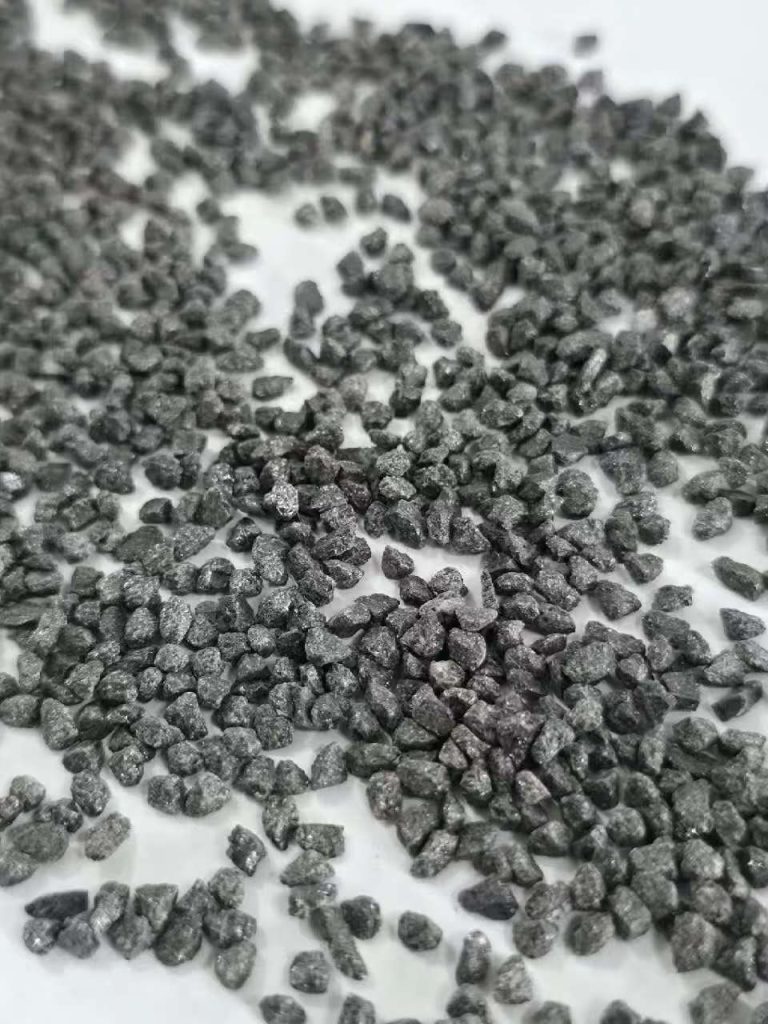
Bulk density does not exist in isolation from particle distribution and shape. If a supplier proposes a specially processed or shaped grain, compare its full material record rather than one physical number. Ask whether the grading, chemistry and sample identity remained the same in the comparison. If more than one factor changes, design separate trials or at least document each change so the production result can be interpreted honestly.
Take representative samples from a defined lot and retain the report. If two laboratories disagree, compare method and sampling before drawing a commercial conclusion. A convenient scoop from an open bag may not represent the entire shipment. The buyer's quality plan should say which difference calls for a retest, a hold or a supplier discussion. These procedural details are what turn a PDS row into a reliable receiving control.
| Related factor | Why to record it |
|---|---|
| Particle distribution | Defines the grain population tested |
| Particle shape | Can affect packing behavior |
| Sampling | Determines representativeness |
| Equipment method | Determines comparability of values |
Connect material acceptance to the application
If the lot passes its bulk density limit, it has met one agreed raw material requirement. The buyer must still test the intended application: a wheel formulation, coating process or other manufacturing route may require additional checks. Keep the lot ID tied to the finished product trial and note all process changes. Do not use a favorable bulk density alone as proof of an untested performance improvement.
For an inquiry, send CHAOYAN the exact grade, required bulk density method and limit, the current sample or supplier sheet, application and intended volume. Request the matching English PDS and discuss which values can be written into an order-specific technical agreement. A precise request makes quotations comparable and keeps raw grain data in its proper role as one input to a broader qualification decision.
Selection guidance
Use bulk density only when the buyer can state its purpose, method and accepted range. Compare the named model's result with grading and shape data, then validate the finished process separately.
Common mistakes
- Equating raw grain bulk density with finished wheel or brick density.
- Copying a reference sample value into a different grade sheet.
- Comparing results produced by different methods without reconciliation.
- Claiming process performance from one physical parameter.
Frequently asked questions
Does every PDS show bulk density?
No. Available numeric rows vary by product. Request the exact model's current technical sheet when the public page lacks a needed value.
Can bulk density alone identify a shaped grain?
No. Review the complete product identity, grading, particle shape and test record, then trial the material in the intended process.