TECHNICAL GUIDE / 2026-10-02
Short answer. Inspect an incoming F grit lot against the accepted purchase specification, not against a general catalog description. Confirm product identity and lot labels, sample by a written method, test the relevant grading and material limits, and retain records for the resin wheel production lot.
Tie the delivery to the accepted product
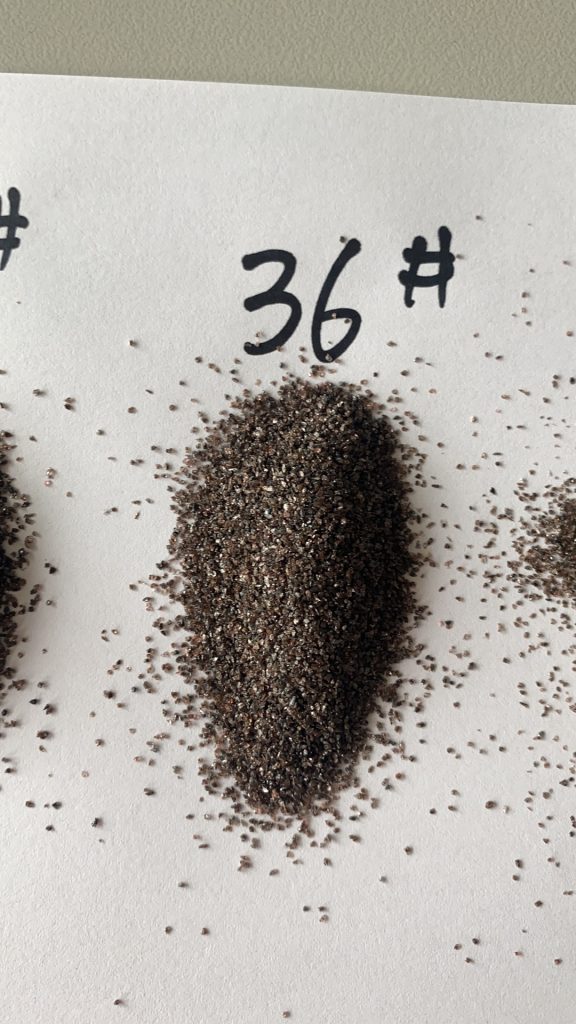
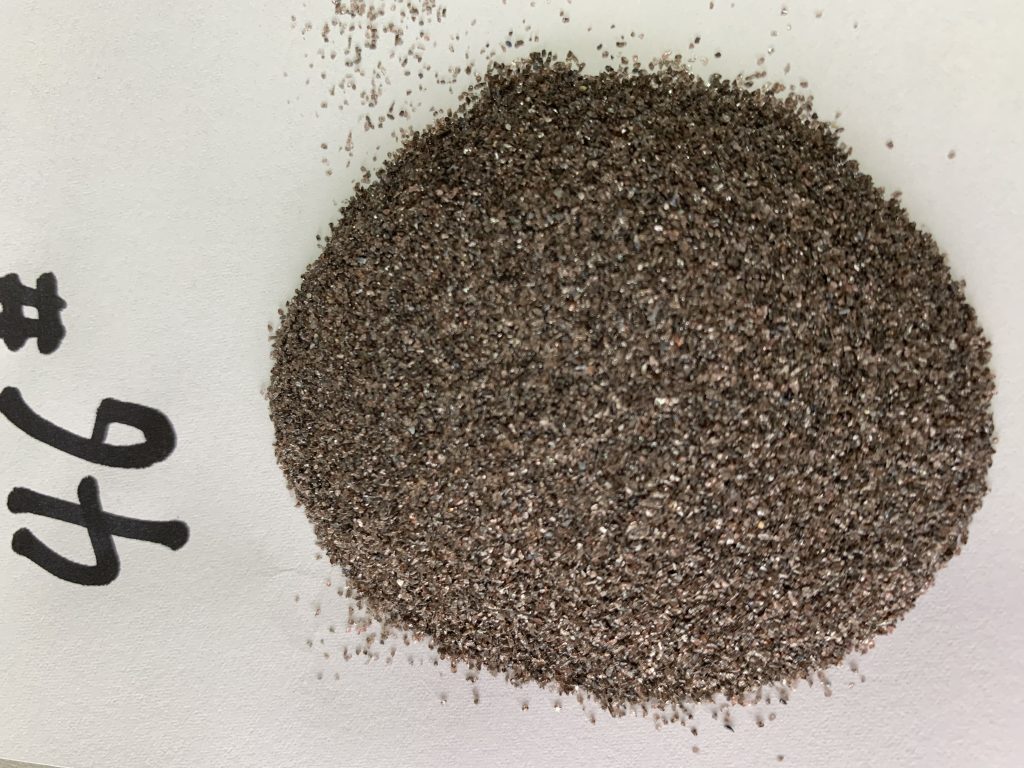
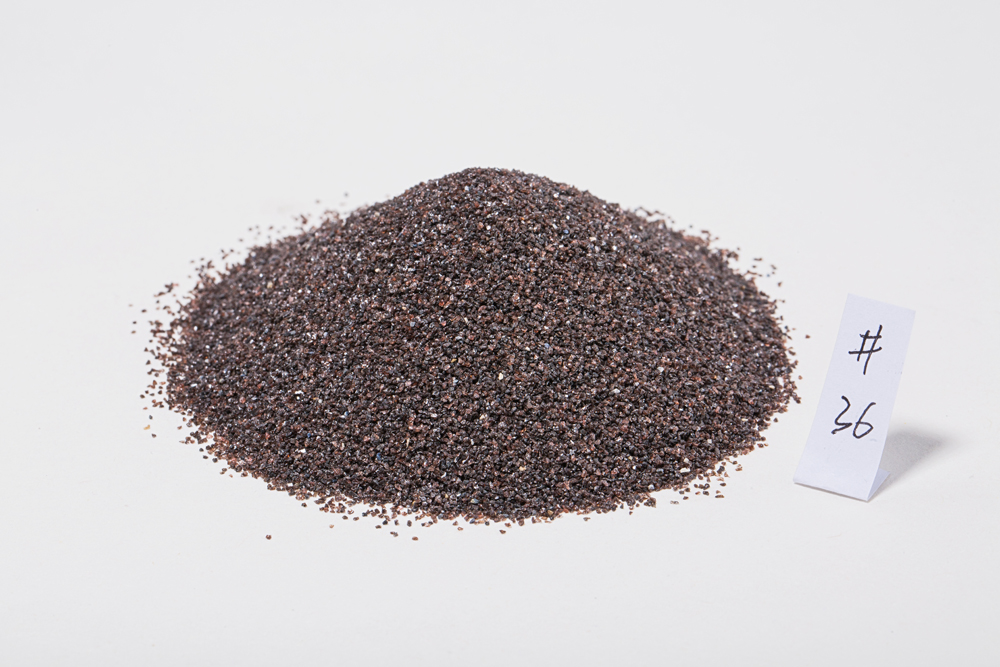
A resin wheel plant may run several brown fused alumina F grades in the same month. Receiving staff need a way to distinguish them before the bags reach the mixing line. Match the delivery note, packing label, product model, supplier, lot number and quantity to the purchase order. If the order calls for F36, an unlabeled '36 grit' bag is not enough. Quarantine material whose identity cannot be established under the plant's procedure.
The accepted order specification should name the exact F grade, test method, chemistry and physical limits where relevant, particle distribution, packing and required batch report. The English PDS helps identify the product and published reference values, but order limits are set by the agreed technical sheet. Keep the latest approved revision available at receiving so an old sheet does not silently control a new delivery.
| Receiving item | Check |
|---|---|
| Identity | F grade, supplier, lot and document revision |
| Quantity | Bags, units and order line |
| Packing | Condition, closure and label |
| Documentation | PDS, technical sheet and batch result |
Sample in a way that represents the lot
A sample taken from one convenient bag may not represent a multi-bag delivery. Define the lot and sampling plan before opening material. The plan should say how many containers are sampled, where the samples are taken, how they are combined or kept separate, and who records the chain of custody. Use the method agreed with the supplier and the customer's quality requirements; this article does not impose a universal sampling count.
Protect the sample from mix-ups. Mark the lot, date, sampler, container and intended tests. Retain a control portion when the contract calls for it. If a result falls outside a limit, a traceable retained sample allows a planned retest and supplier discussion. Without traceability, the plant may know that a test failed but not whether the tested grain came from the disputed delivery or a neighboring grade.
| Sample record | Purpose |
|---|---|
| Lot and container IDs | Links sample to delivered material |
| Method and sampler | Makes a retest interpretable |
| Storage and retention | Supports later investigation |
Check the material properties that matter to the wheel
Grade distribution is central because it affects the grain introduced into the bond. Use the agreed sieve or other standard method and report the full result required by the order. Chemistry, magnetic content, bulk density or particle shape may also be specified for a particular wheel formulation. Do not add a pass/fail limit from a neighboring F model or a generic chart simply because the current sheet lacks a number. Ask the technical owner to resolve the gap.
A passing raw grain inspection does not guarantee a passing finished wheel. The resin bond, mixing, pressing and curing route can still change the outcome. Link the incoming lot to the production batch and record any wheel trial or release test the plant requires. If a new supplier or changed grade enters production, follow a qualification plan rather than relying only on the receiving test. This separates material conformance from tool performance.
| Layer | Question answered |
|---|---|
| Distribution and material tests | Does this lot match the purchase sheet? |
| Production traceability | Which wheels used this lot? |
| Wheel test | Did the finished tool meet its acceptance method? |
Handle deviations without losing the evidence
If an inspection fails, identify the affected lot and hold it under the plant's nonconformance process. Record the result, method, sample and specification revision. A supplier may request a retest, but the retest basis and disposition should be agreed; repeatedly sampling until one passing number appears is not a defensible release process. Where a conditional use is considered, document who approved it and which finished products are covered.
CHAOYAN can provide product PDS files and discuss the exact F grade for resin wheel applications. A useful supplier inquiry includes the current grain, wheel type, bond, annual volume, accepted limits and the batch report format. The supplier and buyer should resolve any difference between published reference ranges and guaranteed order values before repeat deliveries begin. Receiving inspection then becomes a repeatable check of an agreed contract, not an improvised judgment at the loading bay.
Selection guidance
Use the exact F model PDS to start the document review, then build the receiving checklist from the signed technical sheet. Link every accepted grain lot to the resin wheel production record.
Common mistakes
- Accepting a bare grit number without the F prefix and lot ID.
- Using a sample from one bag as proof of an entire delivery without a sampling plan.
- Copying a test limit from another F model.
- Assuming a passing grain test is a finished-wheel approval.
Frequently asked questions
Is the PDS itself the receiving acceptance specification?
The PDS is a product information document. Use the agreed technical sheet and batch test result to make the acceptance decision.
What should happen to an unlabeled F grit delivery?
Follow the plant's identification and hold procedure until the material can be linked to the correct order, grade and lot documentation.