TECHNICAL GUIDE / 2026-10-02
Short answer. Particle shape should be specified through the intended process, reference sample, measurement method and accepted outcome. CHAOYAN lists special processing and sample matching routes, but a shape claim should not replace the grade, chemistry or grading requirements of a specific order.
Explain the process problem before naming a shape
A buyer may ask for 'rounder' or 'sharper' brown fused alumina without saying why. Those adjectives can point to different production concerns: handling, coating, mixing, tool behavior or blasting result. State the finished product and the observed problem first. Keep a labeled current material sample and record the grade, distribution and chemistry. A shape comparison is meaningful only if the other material characteristics are visible.
CHAOYAN's catalog includes specially processed, ball-milled and shaped grain records. These are routes for discussion, not a promise that one processing name solves every application. Describe the desired result in terms the buyer can test. If a supplier proposes an alternative, ask which material features actually change and whether the proposed grade remains inside the existing purchase limits.
| Request element | Useful evidence |
|---|---|
| Current product | Exact grade, lot and sample |
| Problem | Process observation and acceptance target |
| Proposed shape | Measurement or reference sample |
| Unchanged limits | Chemistry and distribution to retain |
Choose a shape measurement and sample plan
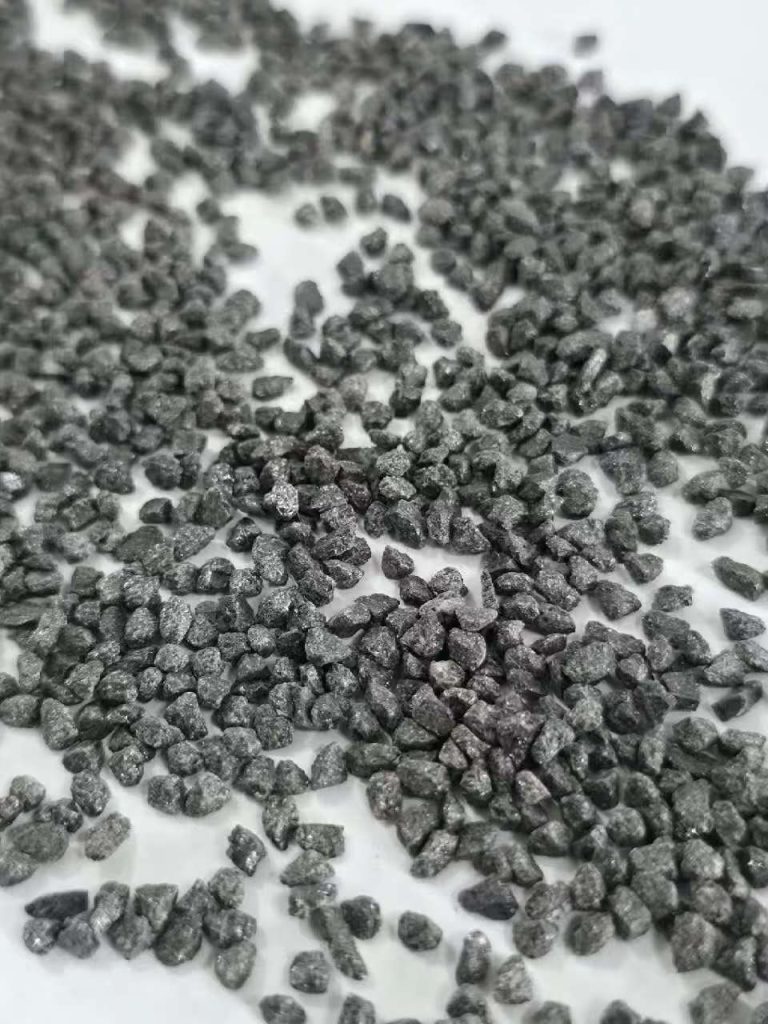
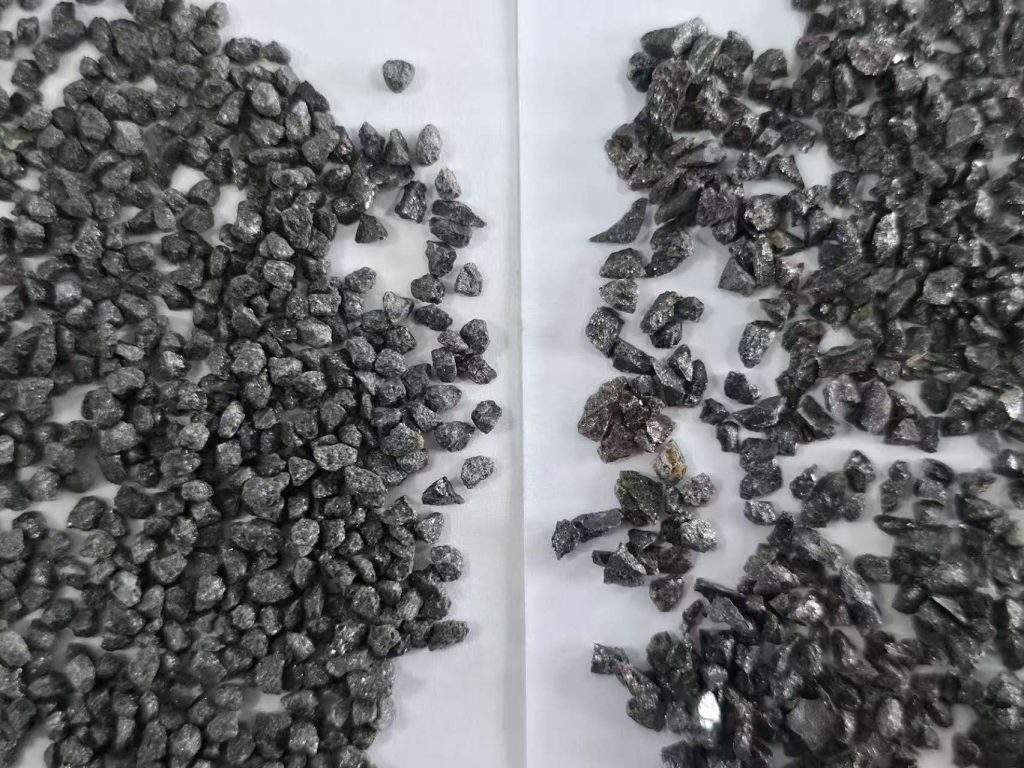
Visual photographs can help start a discussion, but lighting, magnification and selection of particles can make them misleading. Agree how the sample will be taken and how shape will be described or measured. If a customer uses a particular image-analysis method or reference panel, include it in the technical request. Avoid publishing an invented aspect ratio or angularity limit when the buyer has not validated one.
For two candidate samples, record grade, lot, particle distribution and any special processing step. If shape is the intended variable, try to keep the other variables comparable. Preserve representative samples for later supplier and receiving checks. A sample handpicked for an attractive image is not a suitable acceptance basis for a commercial lot unless the sampling and judgment rule are made repeatable.
| Control | Reason |
|---|---|
| Representative sampling | Avoids selecting only favorable particles |
| Common imaging method | Makes comparisons interpretable |
| Reference sample | Anchors an otherwise subjective description |
| Order limit | Allows future lots to be checked |
Test the shape in the actual application
A shape change may affect a bonded wheel, coated abrasive, refractory mixture or blasting process differently. Trial the candidate in the intended production route and record the result the buyer cares about. Keep the current material as a baseline under the same equipment and test conditions. If the processing route also changes particle distribution or bulk density, record those changes; otherwise a favorable result may be incorrectly attributed to shape alone.
Do not promise a generic improvement in flow, cutting, packing or life from a processing label. The effect belongs to the particular material and process tested. If the first trial suggests an advantage, repeat it with representative lots and normal production variation. Link the finished result to the raw grain sample and agreed material values before approving a new order code.
| Trial layer | Record |
|---|---|
| Incoming grain | Shape, grading, chemistry and lot |
| Production | Recipe or machine settings |
| Finished result | Buyer acceptance measure |
| Repeatability | Result across normal runs |
Write a supply requirement that can be repeated
After approval, identify the exact product, processing route if relevant, grade or fraction, distribution, shape test or reference sample, chemistry, packing and batch report. Specify what happens when a sample differs from the accepted reference. If the buyer's method is visual, document who evaluates it and under what conditions. A vague instruction such as 'better grain shape' is not enough for a supplier to control repeat deliveries.
Send CHAOYAN the current sample, application, target outcome, required grade, measurable limits and trial quantity. Request the relevant special processing product page and PDS. The supplier can discuss feasibility and provide a labeled candidate. The buyer then has a clear path from an observed production issue to a testable specification, instead of making a material change on adjectives alone.
Selection guidance
Use a labeled current sample and a defined application result to frame the shape request. Agree a measurement or reference method before converting a successful trial into a repeat supply specification. Preserve the accepted sample and photographs with the same lighting and sampling rules; future delivery checks should compare representative material with that approved record, not with a supplier's promotional image.
Common mistakes
- Requesting 'rounder' material without an acceptance method.
- Comparing handpicked photographs instead of representative samples.
- Changing distribution and shape together without recording both.
- Claiming a processing route guarantees finished performance.
Frequently asked questions
Can CHAOYAN discuss custom particle shape?
The catalog lists special processing and sample matching. Send a current sample and measurable target for a feasibility and trial discussion.
Is bulk density a substitute for shape measurement?
No. It may be related to handling in a specific process, but it does not by itself define particle shape or application performance.