TECHNICAL GUIDE / 2026-10-02
Short answer. A reuse decision requires evidence from the actual blast system. Record the initial charge, media added, fines removed, discarded material, cycle count and surface result. The accepted reuse limit is the point at which the process can no longer meet the buyer's quality criteria under controlled settings.
Start with a clearly identified fresh charge
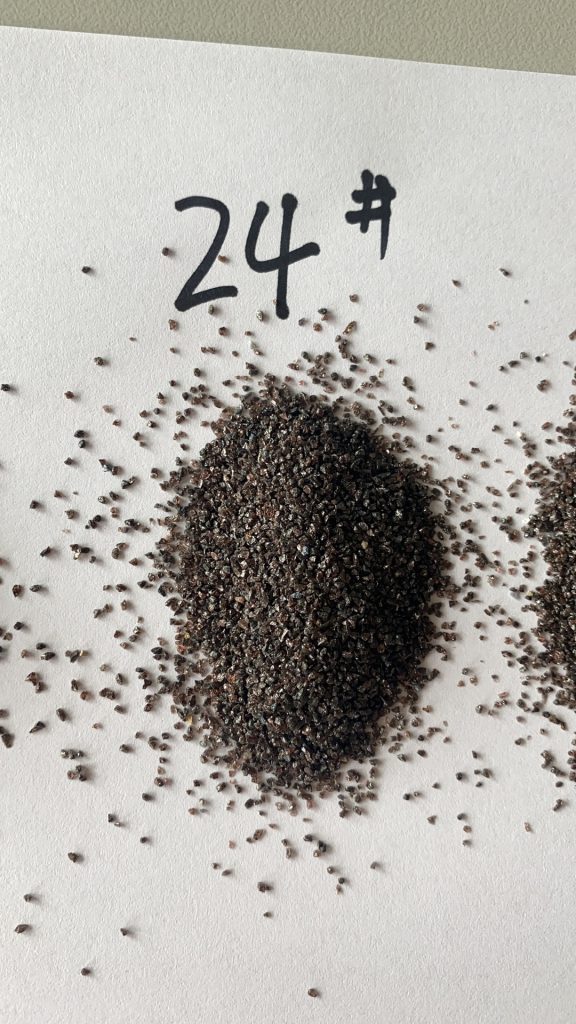
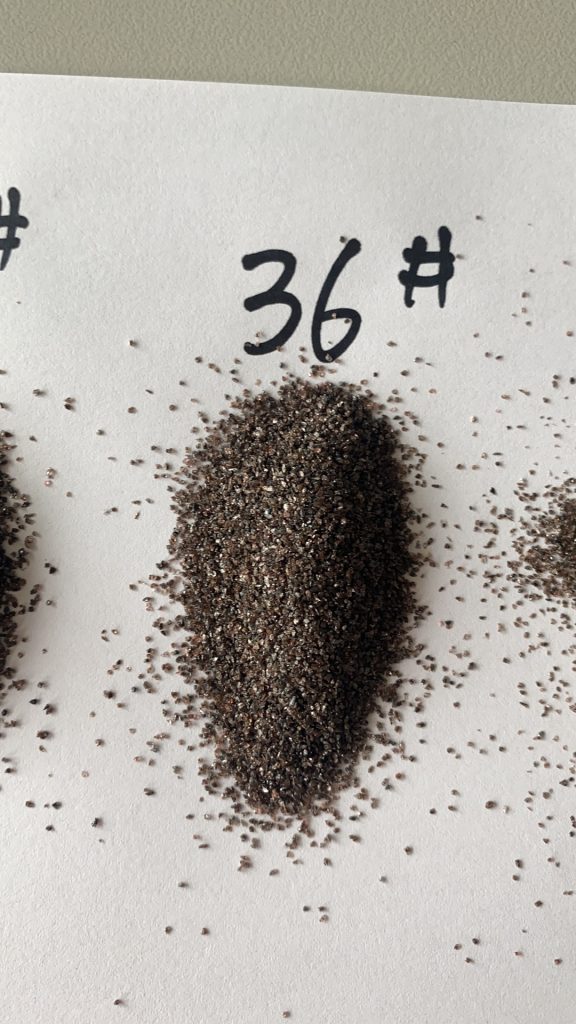
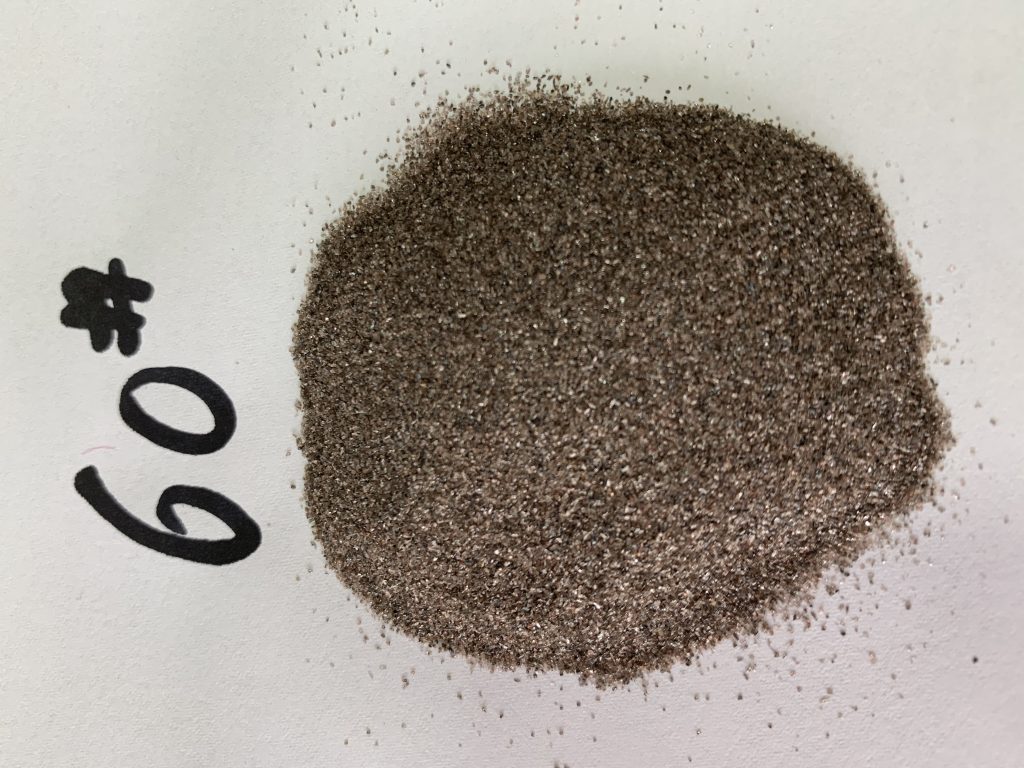
A recycling trial is difficult to interpret when the cabinet already contains unknown media. Label the fresh brown fused alumina grade and lot, record how much enters the machine, and describe any retained material that remains in the circuit. If the plant cannot empty the system, note the starting mixture and do not attribute every later change to the new batch. Keep the product PDS and the agreed distribution limits with the trial record.
Set a baseline on representative workpieces. Document the substrate, contamination, target cleaning or profile requirement, nozzle, pressure, distance and operator method. Measure the surface result and process time with the fresh or defined starting mix. This establishes what 'acceptable' means before the abrasive has been cycled, and gives later observations a comparison point rather than a memory of how the cabinet felt.
| Baseline item | Record |
|---|---|
| Material | Grade, lot, initial charge and starting mix |
| Equipment | Nozzle, pressure and recovery configuration |
| Work | Part type, starting surface and acceptance method |
| Result | Time, media consumption and surface outcome |
Observe how the working mix changes
A blast system does not return every particle to the nozzle in the same condition. Fines may be removed, material may leave with parts or dust, and fresh abrasive may be added. Record these flows at defined intervals. When particle distribution matters to the finish, take samples of the working mix using the agreed method. A random handful from an accessible corner may not represent what the nozzle actually delivers.
The objective is not to claim a universal number of cycles. It is to identify the point at which this particular combination of media, equipment, work and recovery practice stops meeting the quality target or becomes uneconomic. If cleaning time rises, inspect the media and the machine together: nozzle wear, pressure changes, separation settings and workpiece differences can also explain the result. Change one operational factor at a time where possible.
| Interval measure | Question answered |
|---|---|
| Top-up and discard | How much media is actually consumed? |
| Working distribution | Has the mix shifted from the agreed trial condition? |
| Nozzle and pressure | Did equipment condition change? |
| Surface acceptance | Is the output still usable? |
Set a practical removal and replacement rule
A site may remove fines continuously, replace a portion of the charge, or stop and clean the entire system. Whichever route is used, write the rule so another shift can follow it. State the measured trigger: an accepted distribution band, surface result, cleaning time, contamination limit or equipment condition. 'Replace when it looks worn' is difficult to audit and can conceal a quality problem until parts fail inspection.
If the process handles different coatings or substrates, keep separate trial records or state the changeover procedure. Carryover can alter the working mix and the surface result. The disposal and dust handling practice must follow the site's safety and environmental procedures; this article does not establish a universal safe reuse limit. When the accepted limit changes, update the work instruction and check that purchasing understands the resulting top-up demand.
| Decision point | Document |
|---|---|
| Continue reuse | Evidence that surface and operating limits still pass |
| Top up | Amount, grade and lot added |
| Remove or replace | Trigger, material removed and restart condition |
Use accepted output for the buying decision
For a commercial comparison, divide the media and relevant handling cost by acceptable cleaned output over a defined period. Count the initial charge, top-up, disposal, downtime and rework if they are material to the plant's cost. Do not divide a full year's inventory purchase by one day's work or count the same rework labor twice. State the period and exclusions so a supplier or another plant can understand the result.
CHAOYAN's F grit product pages provide named grades and English PDS downloads for a starting sample. Send the current grade, blast machine, substrate, target surface, recovery method and expected quantity when requesting an alternative. The supplier can provide material documentation; the site must still establish its own reuse and replacement rule through the actual process trial. An accepted lot and a stable system can then be monitored against that rule on repeat orders.
Selection guidance
Choose a named F grit sample, record the initial condition and measure quality at planned reuse intervals. Use the accepted working mix and output, not an unqualified cycle claim, to set the purchase specification.
Common mistakes
- Calling a media reusable without stating the surface acceptance limit.
- Mixing old and new media without recording the starting charge.
- Treating nozzle wear or pressure drift as a grain property.
- Calculating cost from purchase price alone while ignoring top-up and rework.
Frequently asked questions
How many times can brown fused alumina be reused?
No single number applies to every blast system. Define the acceptable surface and operating limits, then measure the working mix through the site's actual recovery cycle.
Should the recycled mix use the same PDS as fresh material?
The PDS identifies the supplied product. The working mix should be sampled and managed under a separate process control rule where reuse affects the result.