TECHNICAL GUIDE / 2026-10-02
Short answer. A multi-bag shipment needs a written lot definition and sampling plan. Identify which bags and locations will be sampled, how increments are combined or kept separate, which methods and limits apply, and how a disputed result will be handled. One convenient bag or a single surface scoop cannot represent every delivered lot by assumption.
Define the decision unit
A container may hold many bags and more than one brown fused alumina production lot. Before sampling, determine the unit that can be accepted, held or rejected: an individual supplier lot, pallet, bag group or the entire shipment under the purchase agreement. If multiple lots are mixed in one delivery, do not combine their samples merely for convenience. A composite across lots could hide a failed group and make a later traceability investigation impossible.
Confirm the product designation on packing list and bags, including F or P prefix, grade, specification column and lot number. Compare counts and weights with the delivery record. Record damage separately. A torn bag or wet pallet may justify a targeted hold even if routine samples elsewhere pass. The sampling plan should say how to handle such exceptions, rather than forcing visibly suspect material into a normal composite without a note.
Choose bag positions and increments
A representative plan covers the distribution of bags across the lot, not just those closest to a loading door. Define a selection method before opening bags and record the chosen positions. The number of bags and increments depends on the accepted standard, purchase terms and risk of the application; this page does not invent a universal number. If the lot is large or highly consequential, the buyer's quality team should specify a stronger plan and confirm it with the supplier before shipment.
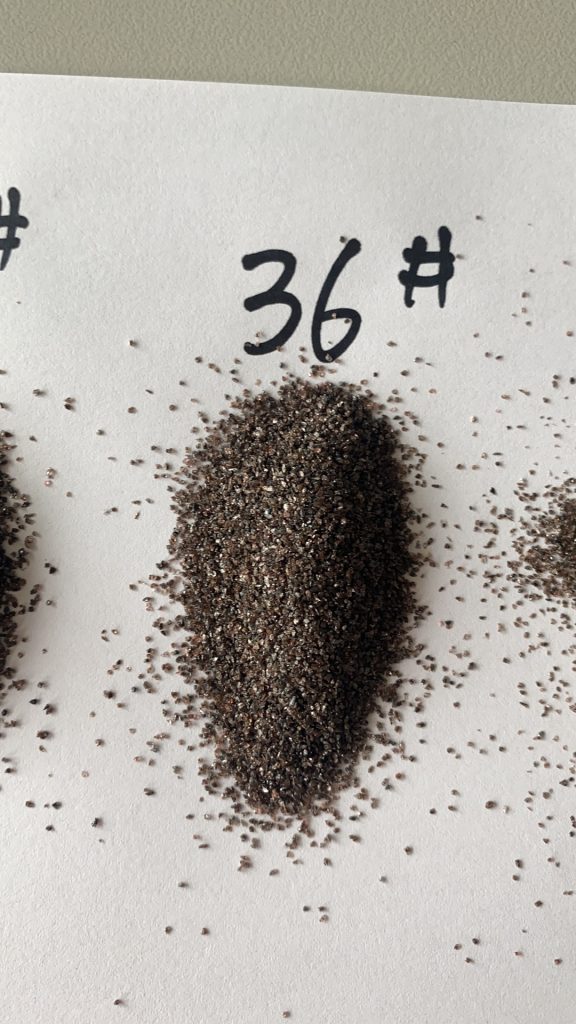
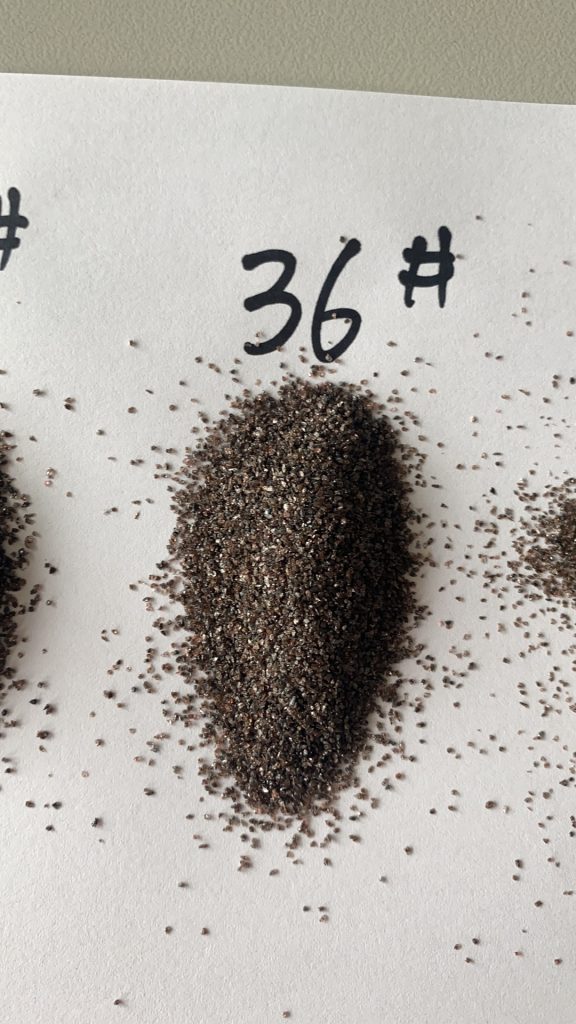
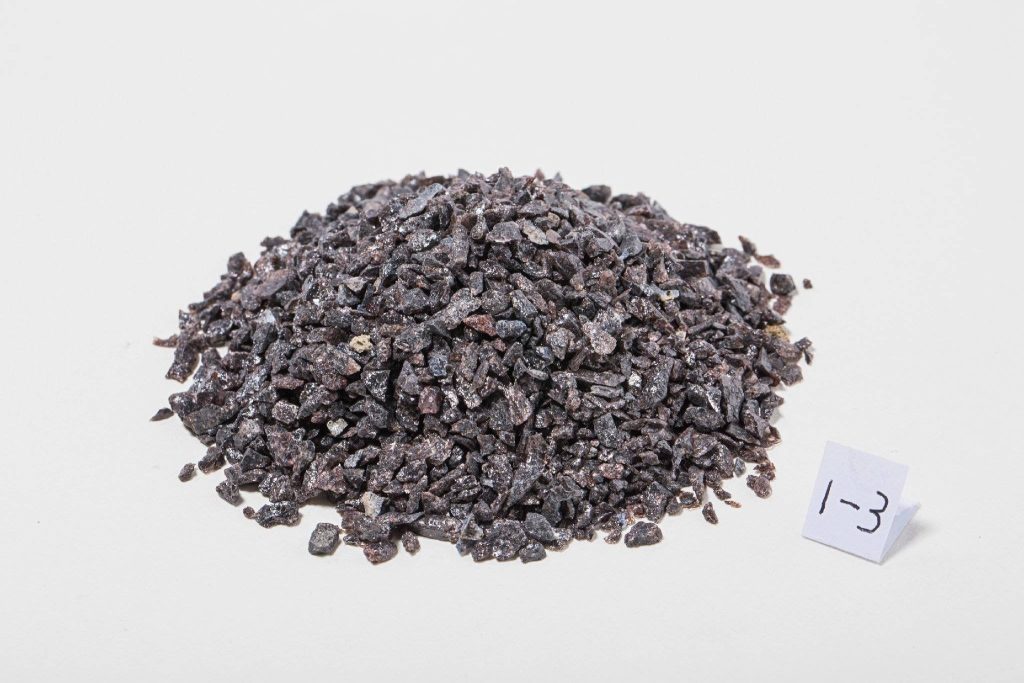
Take each increment with a clean tool suitable for the grain size. Surface fines or material that has segregated in a bag may not represent the whole bag. The procedure should state depth or access, approximate mass and how the bag is resealed. A sample from a 3–5 mm refractory grain and one from a fine P grit may require different equipment and reduction methods. Label every increment with bag, lot, date and sampler so the laboratory can reconstruct the origin.
Prepare a test sample without losing context
Where the plan calls for a composite, combine only increments from the same defined lot and reduce them by an approved method. Do not simply grab a small handful from a large mixed bucket. Keep individual increments when they help investigate within-lot variation or a localized damaged pallet. Store a retained portion in a sealed, labeled container. The retained sample should have a documented chain of custody and a defined retention period under the purchase or quality agreement.
The test request should name the product, agreed specification revision, parameter, method, unit and acceptance limit. A laboratory result has little value if it cannot be tied to the lot and decision rule. Particle-size analysis, chemistry, magnetic content or moisture may be required for different products; do not apply one model's public PDS values to all grades in a container. Keep reference data, contractual limit and measured batch result in separate columns.
Decide what to do with a result
If a sample fails, quarantine the decision unit and follow the agreed retest or investigation process. Review the sampling and method before assuming the whole shipment is defective. A retest should not be an informal search for a passing number; define who may request it, which retained material is used and whether a second laboratory is involved. Record whether any of the lot has already entered production. That fact may change the containment plan.
If the result passes, retain the inspection record with the packing list and PDS revision. Passing a raw-material test does not prove finished wheel, belt or refractory performance; application trials have their own gates. When a supplier is changed, increase attention to material comparability and process response even if the nominal grade is unchanged. The sample plan should be proportional to the actual purchase risk and reviewed after recurring findings.
Selection guidance
Send CHAOYAN the exact grade, expected number of bags, lot definition, packaging requirement and planned tests before the shipment is booked. Ask for a matching product sheet and batch documentation. The receiving-inspection guide covers the full arrival workflow; the traceability guide explains why lot and label links matter. A clear plan lets both buyer and supplier prepare representative evidence. It also prevents a dispute from turning on an unrecorded scoop or a sample that cannot be traced to a bag.
Common mistakes
- Treating every bag in a mixed-lot container as one testing unit.
- Sampling only the most accessible bags near the door.
- Combining suspect damaged bags with accepted bags without recording the distinction.
- Retesting repeatedly without a written decision rule.
Related technical guidance
Frequently asked questions
Can one bag sample represent an entire container?
Only if an agreed sampling plan and lot structure justify that decision. A convenient single bag is not automatically representative of all positions and lots.
Should the retained sample be the same as the laboratory sample?
It should come from the defined sampling process and be labeled so its relation to the tested lot is clear. Storage and access rules should be documented before a dispute.