TECHNICAL GUIDE / 2026-10-02
Short answer. A ramming mix request should identify the intended formulation, grain fractions, powder, binder or other components and the finished acceptance tests. CHAOYAN lists a ramming mix use case, but raw brown fused alumina suitability must be confirmed in the buyer's own mix and installation process.
Separate the raw material from the finished mix
A buyer may ask for 'brown fused alumina ramming mix' when the supplier is actually being asked to provide one or several raw material fractions for a formulation. Clarify the scope first. Is the order for a prepared mix, a sized aggregate, a fine powder or multiple line items? CHAOYAN's catalog has a ramming mix use case and separate refractory grain and powder records. Those records should not be collapsed into an unsupported claim that the website supplies a finished engineered mix for every service condition.
State the intended installation, working environment and material role at a level the supplier can use. The buyer's formulation defines the blend, binder and target properties. If an existing material is being replaced, provide its technical sheet and a labeled sample. This makes it possible to discuss a raw grain candidate without inventing a recipe or a service-performance guarantee.
| Possible order line | Needed detail |
|---|---|
| Sized aggregate | Fraction and grading |
| Fine material | Powder designation and retained fraction |
| Prepared blend | Complete agreed composition and scope |
| Trial sample | Lot label and intended installation test |
Set separate limits for each supplied material
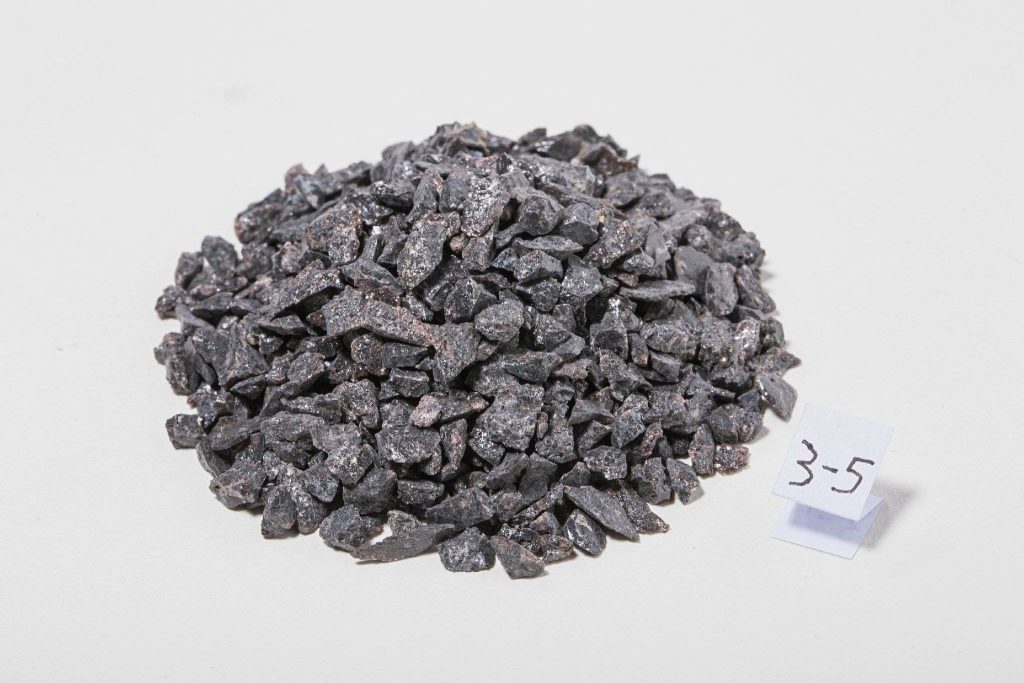
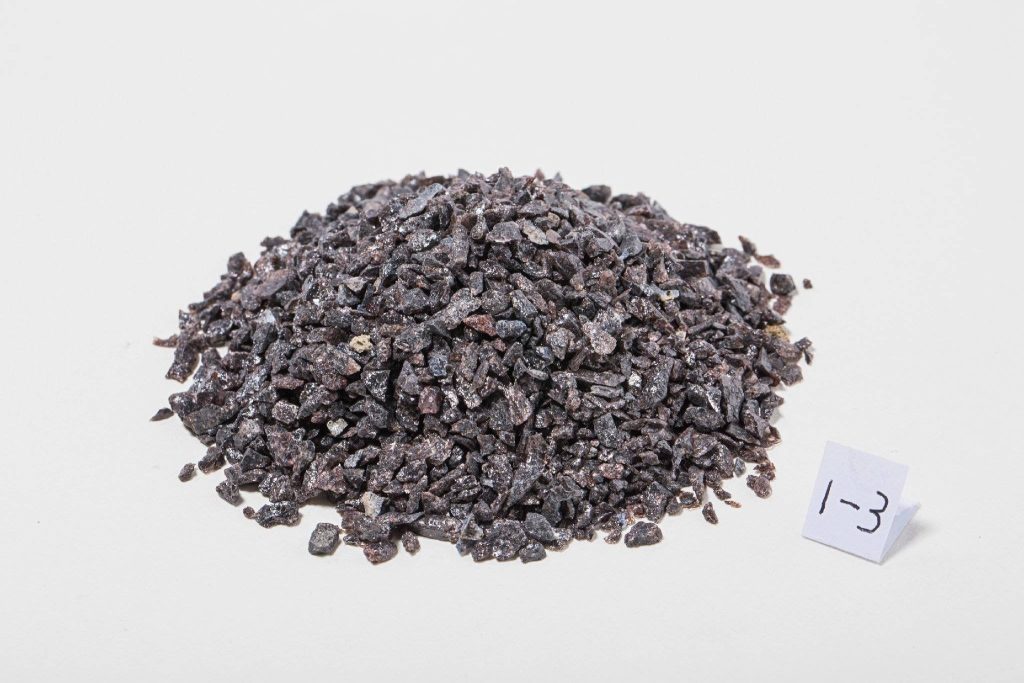
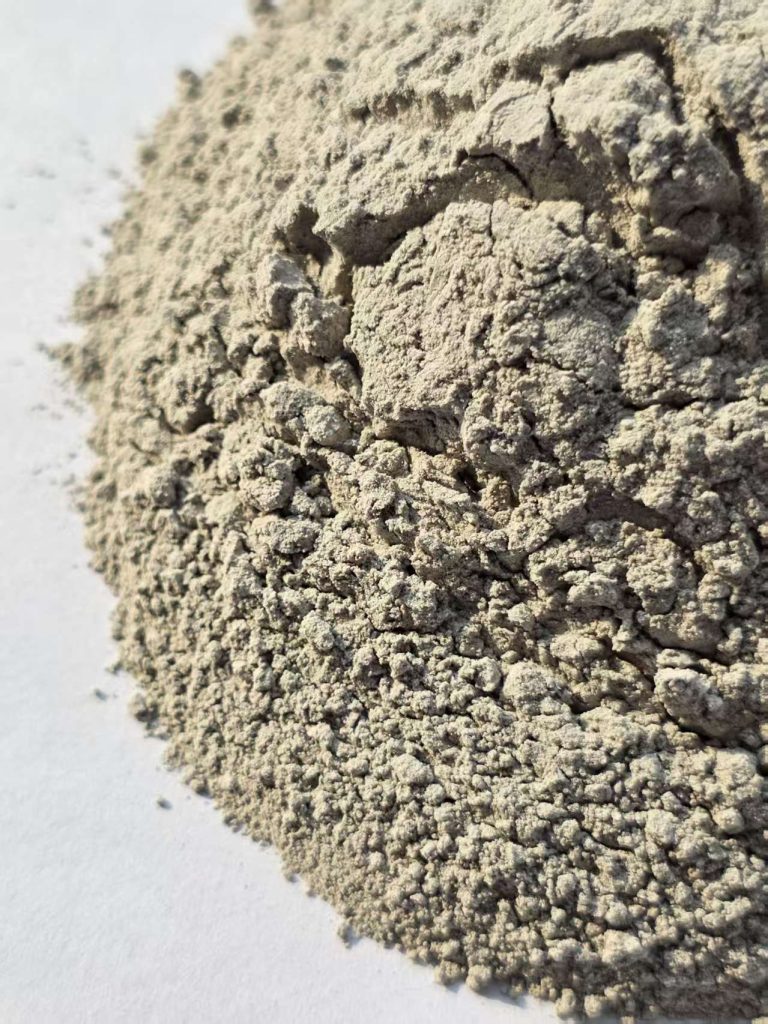
For each grain or powder, agree the product identity, size distribution, chemistry, relevant physical requirements, sampling method, packing and batch report. A nominal 1–3 mm or 200F label is a starting identification, not the full acceptance sheet. Some public pages lack numeric values for the exact refractory product. Request the current technical document instead of borrowing numbers from an F abrasive grade or another fraction.
If the supplier is asked to prepare a blend, define the fraction ratios, tolerance, homogeneity method, container size and labeling in addition to individual raw material limits. If the buyer blends on site, keep each input packaged and identified separately. The right commercial arrangement depends on the plant's controls, but the documents should always let receiving and production know precisely what was supplied.
| Document | Decision |
|---|---|
| Product PDS | Identify the proposed raw material |
| Agreed technical sheet | Set purchase acceptance limits |
| Batch result | Check delivered lots |
| Blend record | Confirm ratio when a premix is supplied |
Validate the material through the actual process
Trial the proposed grain or powder in the buyer's ramming mix under its normal mixing and installation method. Record the formulation, equipment, placement or compaction procedure, curing or heating route and the finished properties required for the intended application. Change one raw material input at a time where practical. If the binder or installation procedure also changes, identify that as a distinct trial rather than assigning the outcome to brown fused alumina alone.
Retain samples and lot IDs. An incoming grain may meet every agreed test while the installed mix fails a target, or an installation variation may make a suitable material look poor. The raw material result and the finished mix result answer different questions. A representative trial and repeat run help the buyer decide whether a proposed material belongs in the commercial formulation.
| Evidence layer | What it shows |
|---|---|
| Incoming material | Conformance to grain or powder sheet |
| Mixing and installation | Behavior in the buyer's process |
| Finished test | Suitability for the defined application |
Create a repeatable buying specification
When a trial is accepted, update the bill of materials and technical purchase sheet. Name the exact grain fractions or powder, distribution limits, chemistry, packing and batch report format. If a custom blend is approved, keep its ratio and mixing responsibility clear. Link the accepted trial to the raw material lots and document revisions so a later complaint can be investigated without reconstructing what the plant used.
An inquiry to CHAOYAN should include the current ramming mix formulation role, proposed brown fused alumina form, required grade or fraction, target limits, sample quantity and expected repeat demand. Ask for the matching PDS and confirm whether the request is for separate raw materials or a specifically agreed blend. The supplier can then quote a defined supply instead of an ambiguous application name.
Selection guidance
Clarify whether the order is for separate brown fused alumina inputs or an agreed prepared blend. Use the ramming mix use case as an entry point, then approve exact material limits through a formulation and installation trial.
Common mistakes
- Assuming a use case page is a complete finished-mix recipe.
- Buying several fractions under one undefined code.
- Copying abrasive F grit values into a refractory raw material sheet.
- Guaranteeing service behavior from a raw material PDS alone.
Frequently asked questions
Does the ramming mix product page define a universal formulation?
No. It identifies an application route. The buyer's recipe, raw material limits and installation trial determine the accepted supply.
What should I send to request a custom blend?
Provide the fraction list, target ratios and tolerances, chemistry limits, packing, sampling method, trial need and expected volume.