TECHNICAL GUIDE / 2026-10-02
Short answer. Select refractory grain fractions from the brick formulation, not from a generic abrasive grit chart. Specify each fraction's bounds and test method, keep fine powder separate, and validate the proposed material in the buyer's forming and firing trial.
Map the brick recipe to material forms
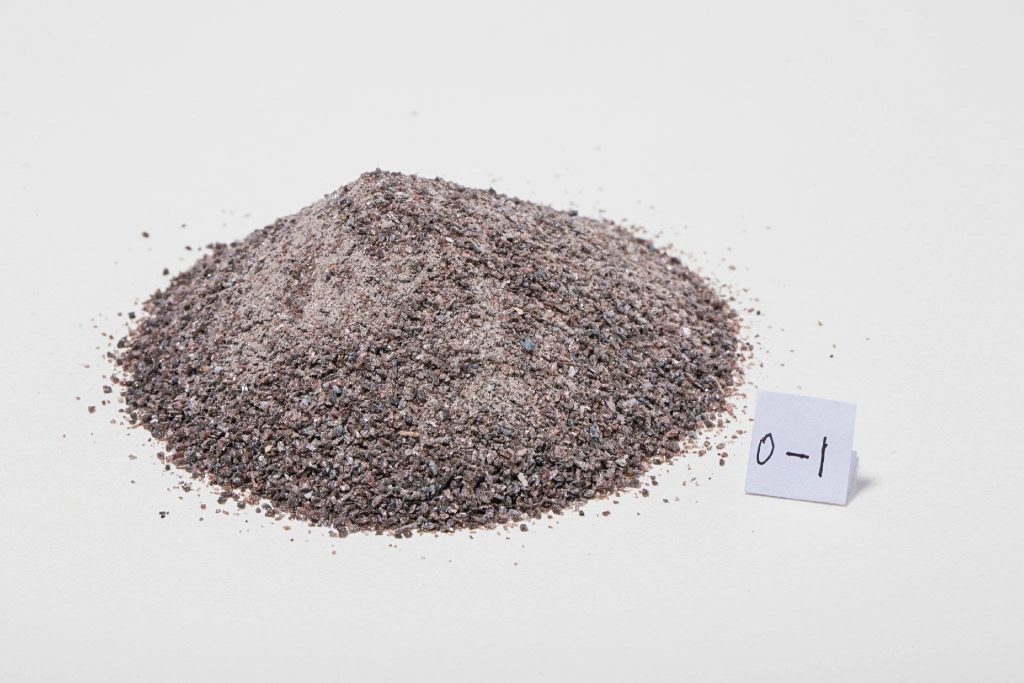
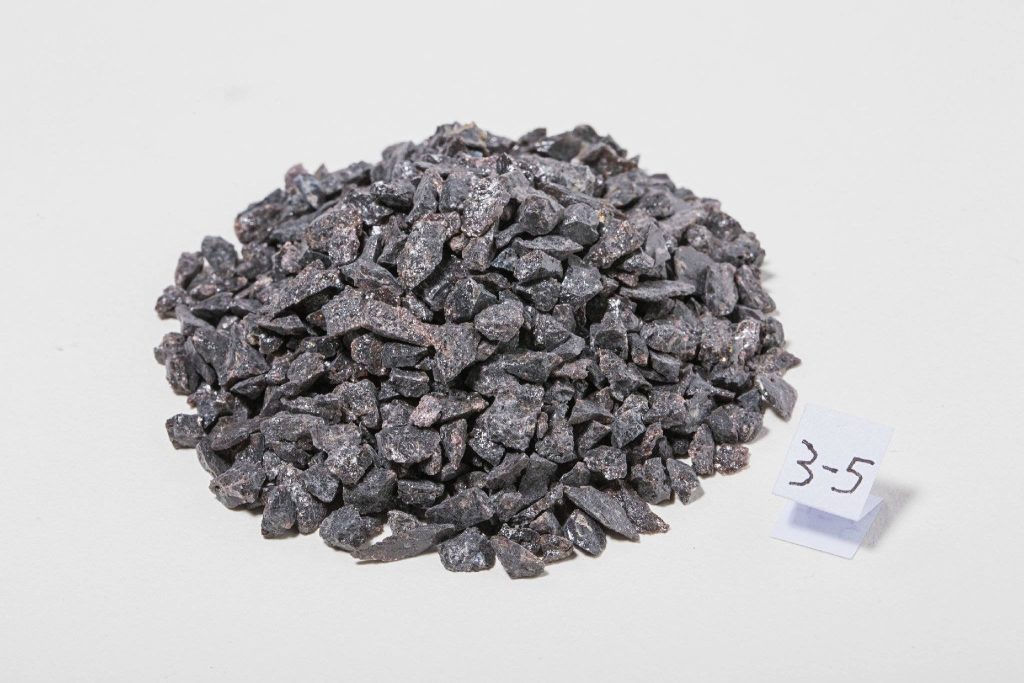
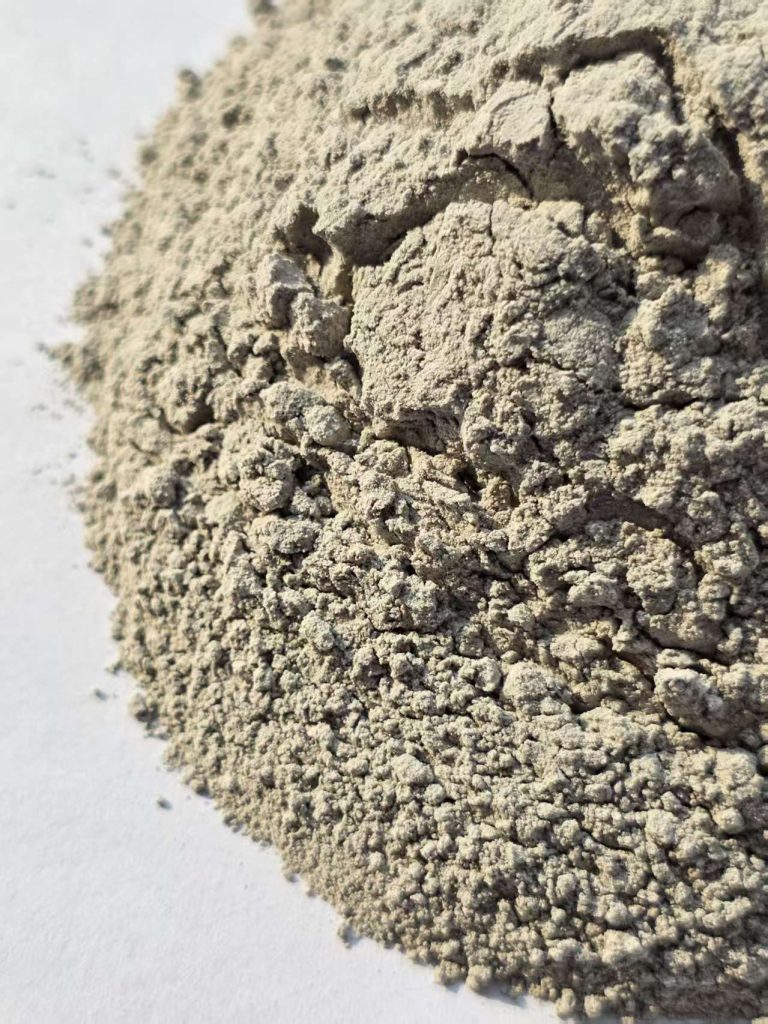
A refractory brick recipe may use brown fused alumina in more than one size range. One line could be a larger grain fraction, another a smaller aggregate and another a fine matrix material. A supplier needs that breakdown to quote and label the correct products. CHAOYAN's catalog includes sized refractory grains and refractory fine powders, as well as a brick use case record. The public catalog is a list of available forms, not a brick formulation supplied by the website.
Ask the technical team to identify which recipe line each requested material serves. State the intended brick type or service requirement only to the extent needed for material selection, then provide the accepted fraction and chemistry targets. Do not infer that a product used in a castable can enter the brick recipe unchanged. The processing route, forming behavior and firing conditions determine whether the material works in the new formulation.
| Brick input | Document separately |
|---|---|
| Large aggregate | Nominal fraction and grading limits |
| Intermediate grain | Its own fraction and test method |
| Fine powder | Powder designation and retained fraction |
| Combined mix | Recipe ratio and production trial |
Specify distribution with a named test basis
A label such as 1–3 mm is a useful starting point, but a purchase acceptance sheet should say how much material may lie above or below the nominal fraction under the agreed method. The exact limits depend on the brick design and the supplier agreement. Record the sampling plan and equipment used for testing. Without a shared method, two parties may report different distributions for the same lot and argue about the result after the material has reached production.
If the buyer changes the ratio of fractions, it is a recipe change even when every individual grain lot is in specification. Keep a revision history that identifies the material, supplier lot and recipe version used in each trial. When a nonstandard fraction is proposed, request a sample and written feasibility response. Do not add an invented numeric sieve curve to the website or purchase order simply to make the document look complete.
| Grading item | Why it belongs in the sheet |
|---|---|
| Nominal bounds | Identifies the product form |
| Accepted distribution | Defines lot conformance |
| Method and sample | Makes buyer and supplier results comparable |
| Revision | Shows which brick trial used the limits |
Test raw grain and finished brick separately
Receiving inspection can verify the supplied fraction, chemistry and other agreed raw material values. It cannot prove brick performance on its own. Run trial bricks under documented mixing, forming, drying and firing conditions. Measure the finished properties relevant to the buyer's application with its own procedure. If a property changes, review material distribution and the production record together rather than assigning the difference to one grain size by assumption.
Representative production trials should include the range of normal operating conditions that the plant expects to use. Preserve samples and results for the raw grain lots and the finished bricks. If the trial needs an altered binder or firing cycle, label that as a new process variant. Otherwise a material supplier may be credited or blamed for an effect that the changed recipe caused. Keep the final acceptance decision with the brick manufacturer's technical authority.
| Evidence | Decision it supports |
|---|---|
| Grain batch result | Raw material conformance |
| Production record | Recipe and process traceability |
| Finished brick test | Application suitability under the trial method |
Translate the approved trial into a repeatable order
Once a grain or powder input is accepted, place its complete name, nominal fraction, accepted grading, chemistry limits, packing and batch report format in the technical purchase sheet. Label separate fractions clearly, even when they arrive in one shipment. Receiving should be able to connect each bag or bulk unit to the order line and supplier lot. Retain the brick trial record as the reason for the chosen limits.
Send CHAOYAN the proposed fraction list, brick application, required sheet, sample quantity and expected annual volume. Request the exact grain or powder PDS for each line. If public pages lack numeric values for a refractory item, use the agreed technical document instead of borrowing an abrasive series number. This keeps the supplier's obligation measurable and the brick maker's formulation control intact.
Selection guidance
Start with the brick recipe and separate every brown fused alumina input. Agree fraction limits and testing before ordering, then approve the actual brick production trial under the buyer's method.
Common mistakes
- Using one unspecified grain code for several brick recipe fractions.
- Treating a nominal millimetre label as a complete distribution specification.
- Applying a castable or abrasive grade limit to a different brick material without evidence.
- Claiming that raw grain conformance proves fired brick performance.
Frequently asked questions
Can a brick producer use the same grain fraction as a castable?
It may be a candidate, but the brick recipe, process and accepted material limits must be checked separately.
What should a supplier receive for a nonstandard fraction request?
Send the desired bounds, grading method, chemistry limits, intended use, sample need and expected volume for a feasibility review.