TECHNICAL GUIDE / 2026-10-02
Short answer. Keep the product grade and process stable when the primary question is supplier replacement. Compare exact material documents and representative lots, then run the same finished-process test. Record deviations and approve repeat supply only against a written technical sheet.
Decide whether the project is supplier or product change
A plant may describe a trial as a new brown fused alumina supplier search while also asking for a different grit size, particle shape or chemistry. That is more than one change. To evaluate the supplier fairly, begin with the incumbent product identity and accepted specification. Ask the candidate to propose the same F or P grade, refractory fraction or powder designation and disclose any difference. If a grade change is desirable, run it as a separate trial with its own objective.
Collect the incumbent PDS, purchase sheet, batch results, packing labels and a labeled working sample. Define the production outcome that matters: wheel performance, belt behavior, blasted surface, refractory mix properties or another application result. Avoid inventing a universal 'equivalent' score. Equivalence must be measured against the buyer's material and finished-process acceptance methods.
| Change type | Trial treatment |
|---|---|
| Same grade, new supplier | Hold product and process stable |
| New grade or shape | Separate material-change trial |
| New process setting | Document as process variant |
Check documents and sample identity before production
Match the candidate's product page or PDS to the full model on the sample, quote and batch report. Compare chemistry, grading, physical properties and methods with the incumbent sheet. A similar nominal grade can hide a different distribution or test basis. Resolve those differences before running a production trial; otherwise a result can be hard to interpret or impossible to convert into an order guarantee.
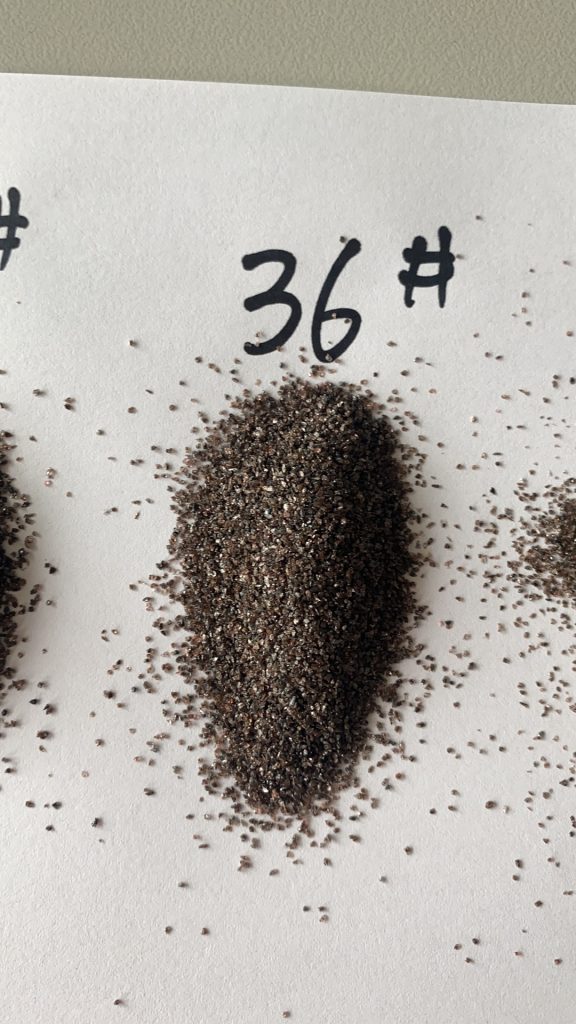
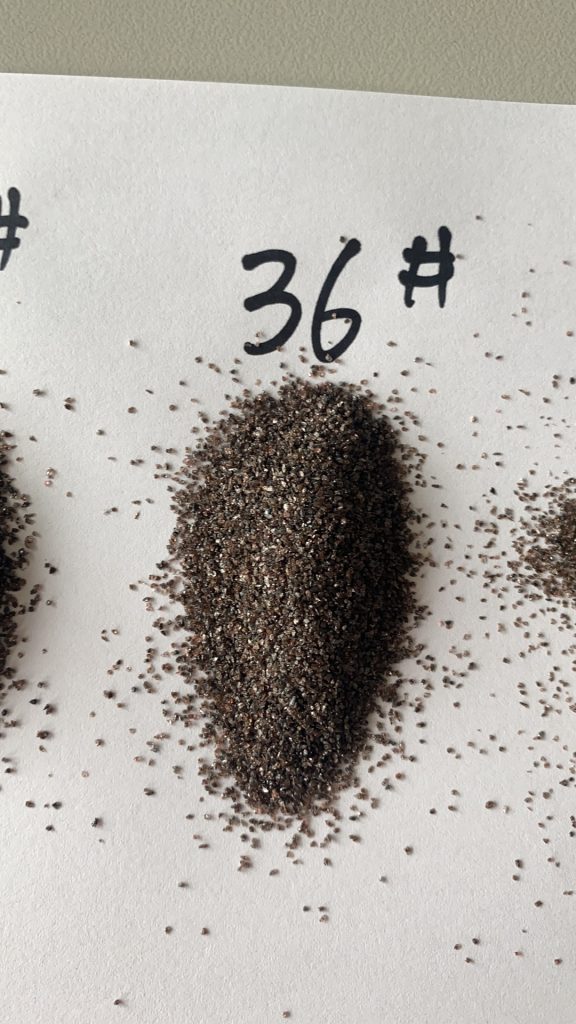
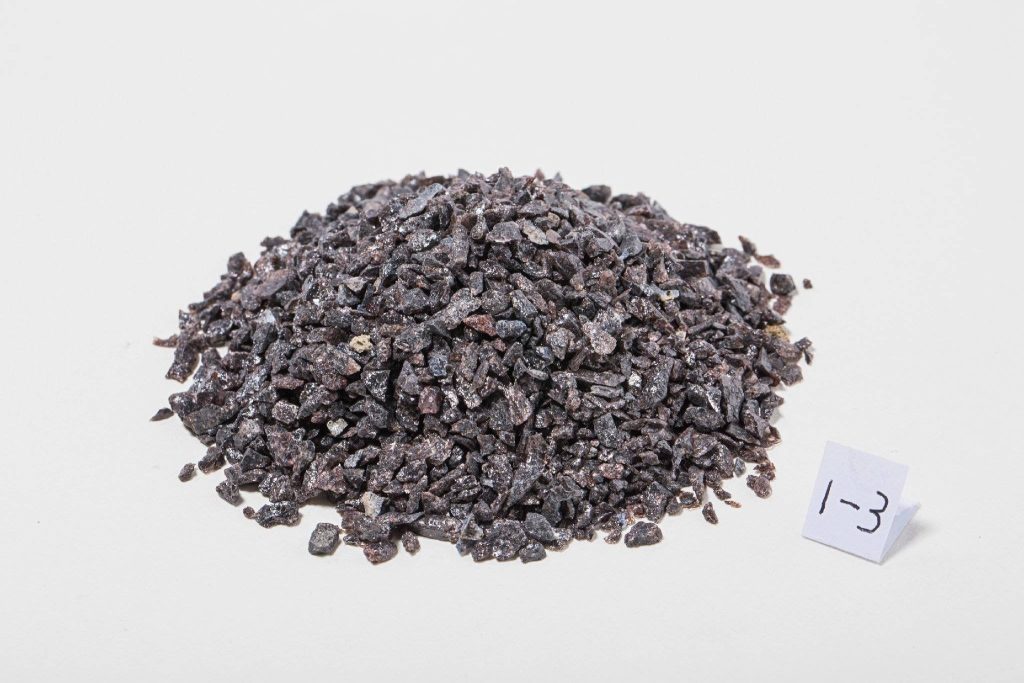
Request a representative sample with lot identity and adequate quantity for both receiving tests and process work. Record how it was sampled and retain a portion if the quality plan requires it. If the supplier offers a specially processed alternative, label it as such rather than slipping it into the direct replacement test. A transparent deviation may be acceptable, but it needs the buyer's technical review.
| Evidence | Check |
|---|---|
| Material sheet | Exact model, limits and test method |
| Sample label | Supplier lot and grade |
| Batch result | Same lot as supplied sample |
| Deviation list | Every difference from incumbent |
Run a controlled application comparison
Use the same equipment, recipe, operator method and workpiece or formulation where practical. Record the incumbent baseline and candidate run under a named acceptance method. If production needs to change a setting to make the candidate work, perform that as a second trial. A candidate may still be commercially attractive with a process change, but the decision should account for the change rather than hiding it inside the grain comparison.
Measure manufacturing yield and finished result as well as material conformance. For a wheel or belt, a passing grain PDS does not prove the tool. For blasting, record surface quality, time, media consumption and reuse if relevant. For refractories, record recipe and finished properties. Include rejected output and rework in the comparison. A trial that reports only the most favorable measurement can mislead purchasing and quality teams.
| Trial layer | Pass decision |
|---|---|
| Incoming material | Matches agreed raw material limits |
| Production | Runs under controlled conditions |
| Finished output | Meets buyer's actual acceptance test |
| Repeatability | Holds across representative lots |
Qualify repeat supply, not only one sample
If the pilot passes, agree the final technical sheet, sample retention, batch report format, packing and change-notification process. Follow any customer qualification requirement before substituting the material in commercial production. Consider a repeat lot to test consistency before moving all demand. A successful one-off sample is valuable evidence, but it is not the same as a documented supply system.
Send CHAOYAN the incumbent product, relevant PDS, exact target values, application, trial quantity, annual volume and test plan. The team can provide a matching product record or state where a proposed alternative differs. This keeps the comparison fair and gives both parties a clear route from sample to approved repeat order. If the candidate fails, retain the data and specific reason rather than converting the outcome into an unsupported general claim about the supplier.
Selection guidance
Keep supplier replacement and grade optimization as separate questions. Use the incumbent accepted sheet and production method as the baseline, then approve repeat deliveries against a written candidate specification.
Common mistakes
- Changing supplier, grade and recipe in the same unrecorded trial.
- Comparing samples without matching lot documentation.
- Ignoring manufacturing yield while reporting only finished performance.
- Treating one passing sample as proof of repeat supply consistency.
Frequently asked questions
Can a new supplier use a different grade to meet the same finished result?
It can be proposed, but document it as a separate grade and supplier change and qualify it under the buyer's process and customer requirements.
How many lots should be tested?
The buyer's risk, application and quality procedure determine the plan. A single sample cannot by itself establish ongoing repeatability.