TECHNICAL GUIDE / 2026-10-25
Brown Fused Alumina vs Silicon Carbide for Grinding Wheels: Choosing by Metal, Not by Habit
Many wheel plants choose abrasive grain by habit: the grain they have always bought goes into the new wheel as well. That works until the workpiece changes. A wheel that performs well on carbon steel can glaze or load on grey cast iron, and a grain that cuts carbide cleanly can break down too fast on a long steel contact arc. Brown fused alumina and silicon carbide are both proven wheel grains, but they cut in different ways. The reliable way to choose is not brand preference or price per tonne. It is the metal in front of the wheel.
Hardness Is Not the Whole Story
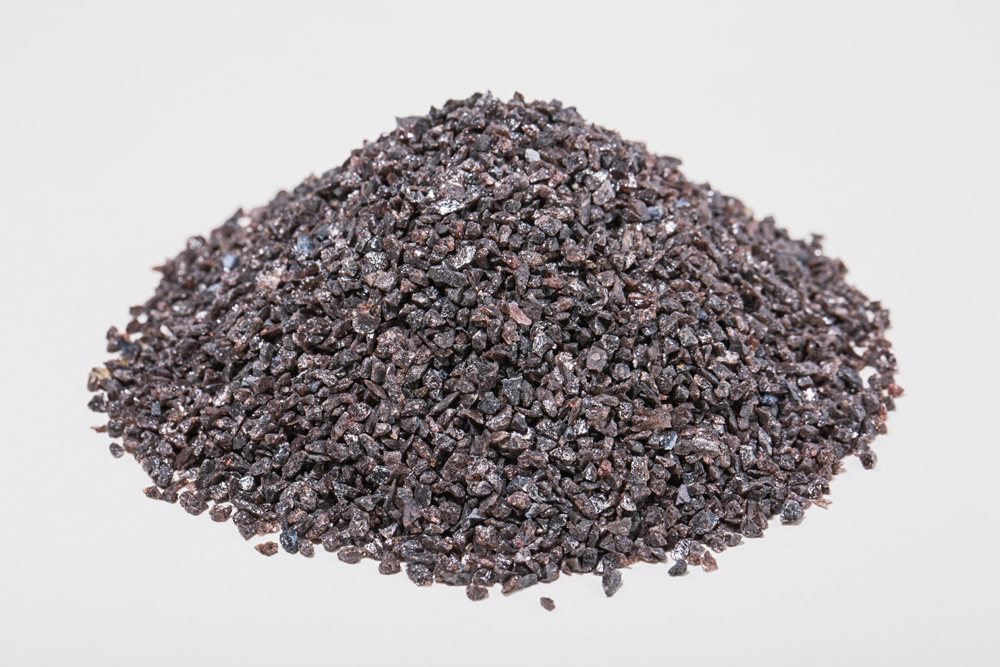
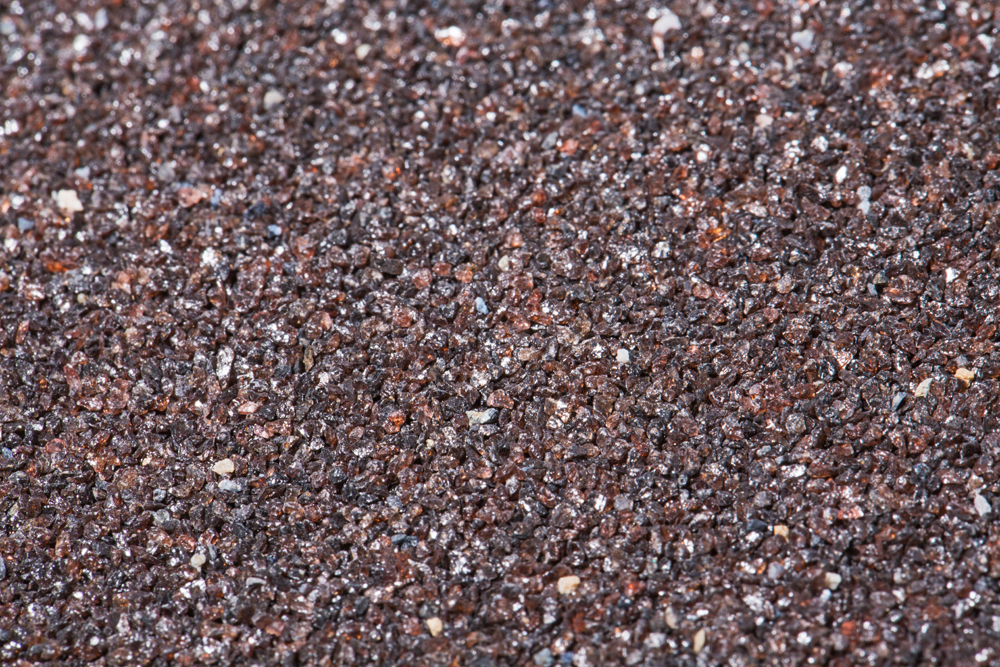
On hardness alone, silicon carbide wins. It is slightly harder than brown fused alumina and its grains are sharper, with keen edges that bite quickly. Brown fused alumina, with a Mohs hardness of 9, is a little softer on paper — but considerably tougher. Its blocky grains resist fracture under pressure and keep working through a long, heavy contact.
That trade-off — sharp and friable against tough and durable — explains most practical differences between the two grains. A friable grain fractures early, constantly exposing fresh edges: ideal when the workpiece is hard and brittle, or the contact is short. A tough grain lasts longer under sustained force, which ductile, high-tensile metals demand — they pull at the grain through a longer contact, and a brittle grain shatters out of the bond before it has done its work.
In short: choose sharpness when the material breaks cleanly, and toughness when the material holds on.
The Working Rule: Tensile Strength of the Workpiece
Wheel makers use a long-established rule of thumb, and it still holds up in daily production:
- High tensile strength materials — carbon steel, alloy steel, tool steel in its softer states, and most steels ground in vitrified and resin wheels — belong to brown fused alumina. The tough grain survives the long contact arc, holds the wheel form, and gives a predictable wear rate that production managers can plan around.
- Low tensile and brittle materials — grey cast iron, cast aluminium, brass, bronze and other non-ferrous metals — belong to silicon carbide. These metals do not pull at the grain in the same way. The sharp, friable grain cuts freely, forms chips cleanly and is less prone to loading in a properly selected wheel.
- Very hard, brittle materials — cemented carbide, stone, glass and ceramics — are also silicon carbide territory, traditionally the green silicon carbide grades for carbide tool grinding. Here the workpiece is harder than steel, and only the sharpest, hardest grain keeps cutting instead of rubbing.
Our overview of brown fused alumina for grinding wheels sets out how the alumina grades and grit sizes map onto common wheel types for the steel side of this rule.
Where the Rule Needs a Second Look
Three common situations blur the simple split, and they are where most wrong choices happen.
Stainless steel is a steel, so the rule points to alumina — still the starting point in most production grinding. But stainless is ductile, work-hardens readily and generates heat. If a wheel glazes or the workpiece shows heat discoloration, look first at grit size, wheel grade, structure and dressing rather than abandoning alumina. Changing grain family before checking those variables often moves the problem instead of solving it.
Hardened steels sit near the boundary. A through-hardened part tempts buyers toward silicon carbide, but it is still a high-tensile steel with a long contact in most wheel work. Tough alumina generally remains the safer choice for volume removal, with grit, grade and bond adjusted for the hardness of the part.
Mixed production lines that grind steel one shift and cast iron the next should resist one compromise grain for everything. A compromise wheel tends to be mediocre at both jobs; two specifications, one per material family, are usually cheaper in total grinding cost.
Same Grit Number, Different Behaviour
Changing material is not the only variable. An F36 in brown fused alumina and the same designation in silicon carbide behave differently in the same bond, because the grains differ in shape, friability and breakdown. Treat a change of grain family as a new wheel qualification: check finish, dimensional stability, dressing interval and wheel wear over a full production run, not just the first pieces.
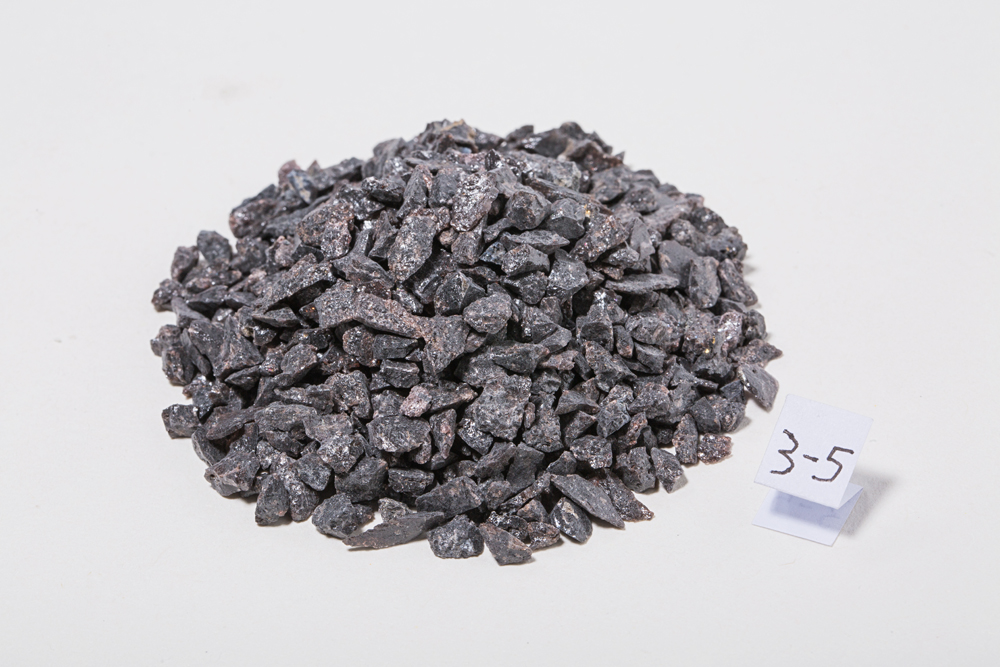
Grit selection follows the job, not the grain. Coarser sizes in the F16 to F36 range suit heavy stock removal, mid-range sizes around F46 to F60 suit general production grinding, and finer sizes suit finishing. The full range we supply for bonded abrasives is listed in the brown fused alumina F-grit series, and wheel-specific guidance is on our brown fused alumina for resin grinding wheels page.
Bond interacts with grain as well. A resin bond that releases grain readily can make tough alumina behave more freely; a hard vitrified bond can make friable silicon carbide rub instead of cut. Specify grain, grit, wheel grade and bond together.
A Short Decision Checklist
Before your next grain order for grinding wheels, work through five questions:
- What metal accounts for most of the grinding hours? Name the actual grades, not just “steel” or “iron”.
- Is the contact long and heavy, or short and light? Long, heavy contact favours toughness; short contact on brittle material favours sharp friability.
- What fails first today — the grain, the wheel form, or the finish? Grain fracture points to a toughness problem; glazing and loading point first to specification and dressing.
- Are you changing more than one variable at once? If grit, grade or bond changes with the grain, you will not know what fixed — or broke — the wheel.
- Have you qualified on representative parts over a full run? First-piece results flatter almost any new wheel.
If the answers point to brown fused alumina — as they do for the majority of steel grinding — a practical starting grade for general wheel work is F46 brown fused alumina, adjusted coarser or finer to your removal and finish targets.
The Bottom Line
Brown fused alumina and silicon carbide are not rivals for the same job. Silicon carbide is the sharper, harder, more friable grain, well suited to cast iron, non-ferrous metals, carbide and other hard, brittle, low-tensile materials. Brown fused alumina is the tougher grain, built for the long contact and high forces of grinding steel, and it repays that toughness in wheel life and stable production. Choose by the metal you grind, qualify the complete wheel specification on your own parts, and the grain decision stops being a matter of habit.
If your production is mainly steel grinding and you are specifying brown fused alumina grain, send the grade, grit size, quantity, packing and destination port together with a note on the workpiece metal and wheel bond you use, and Luoyang Naibao New Materials Co., Ltd. — producing brown fused alumina since 1999 — will quote against that specification and supply samples for your own wheel trials.