TECHNICAL GUIDE / 2026-10-23
Brown Fused Alumina vs Steel Shot for Blasting: Cost per Square Metre, Not per Tonne
On a price-per-tonne comparison, steel shot often looks like the cheaper blasting medium. Yet many coating shops that switch on tonne price alone end up paying more per finished square metre — or paying twice, once for blasting and again for rework when the surface does not hold a coating as expected. The two media do different jobs. Steel shot is spherical; brown fused alumina is angular. That single difference in shape changes the surface each medium leaves, how it can be recycled, and how its real cost should be counted. This article sets out a fair way to compare them: cost per square metre of accepted surface, not cost per tonne of media.
A note on terms before the comparison starts: steel shot is not steel grit. Shot is round, made to peen and polish by impact. Grit is angular, crushed and screened to a shape closer to an abrasive grain. Our separate comparison of brown fused alumina vs steel grit for surface preparation covers the angular steel product. This article is only about round steel shot.
What Each Medium Actually Does to the Surface
Steel shot strikes the workpiece like a stream of tiny hammers. It is effective at removing scale in high-volume wheel machines, at shot peening for fatigue life, and at producing a smooth, bright, rounded finish. Because the particles are round, they compact the surface as much as they cut it. The profile they leave is shallow and rounded — a surface with low peaks rather than a sharp anchor pattern.
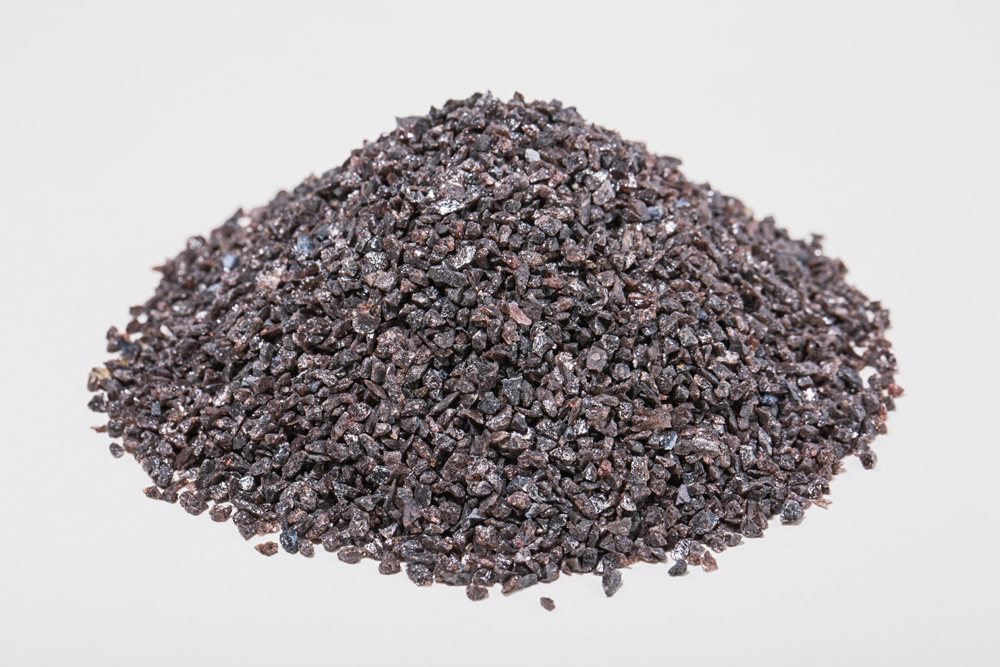
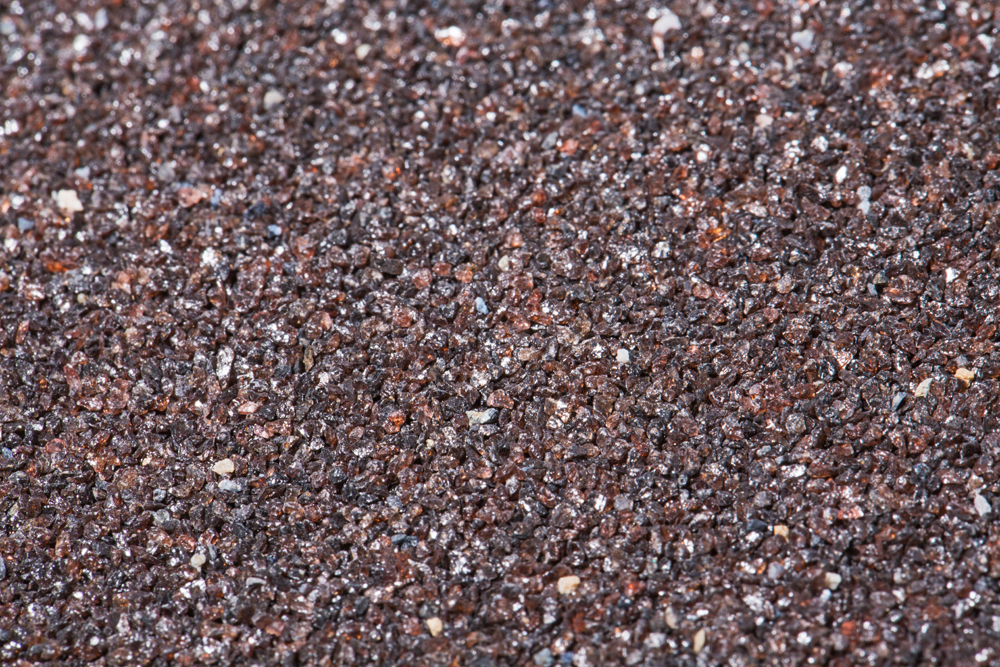
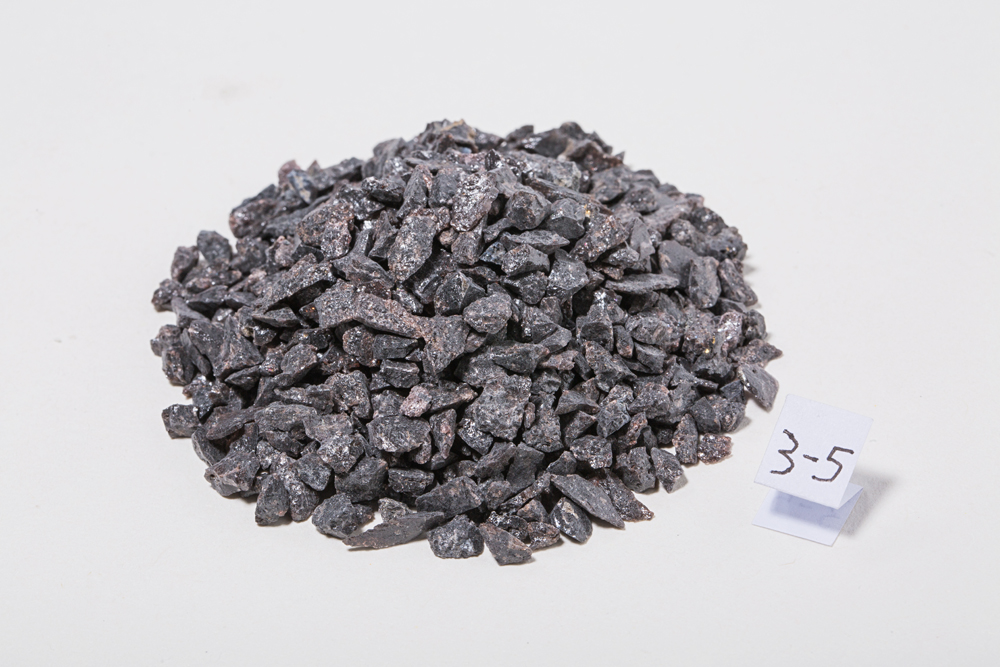
Brown fused alumina cuts. Each grain is a hard, angular particle of fused alumina that shears rust, scale and old coating away and leaves an etched, angular profile. That profile is what coating systems grip: primers and protective coatings are specified against an anchor pattern, and an angular medium produces it in a predictable way. For coating preparation, the standard starting point is the grain range set out on our brown fused alumina for sandblasting page, where grade and F-grit size are matched to the profile depth required.
So the deciding question is not which medium is cheaper to buy. It is which surface the job requires. If the specification calls for a defined anchor profile before coating, a rounded peening medium is being asked to do work its shape is not suited to — and the cost of that mismatch shows up later, as extra passes, profile checks that fail, or coating adhesion problems.
Why Tonne Price Misleads
Tonne price ignores four things that decide the real bill:
- Consumption per square metre. What matters is how many kilograms of medium are lost — broken down, carried out with the waste stream, or thrown away as spent — for each square metre completed, not what a tonne cost at the gate.
- Working life in your system. A medium that survives many cycles in a recovery system spreads its purchase price widely. A medium that breaks down quickly must be topped up constantly, and the top-up rate is the real consumption figure.
- Labour and machine time. A slower medium, or one that needs a second pass to reach profile, consumes operator hours, compressed air and nozzle life. In pressure blasting, air and labour commonly outweigh media cost.
- The cost of the surface you get. If the profile is wrong for the coating, the saving on media is repaid — with interest — in rework, inspection failures or shorter coating life.
A fair comparison therefore has one unit: total cost divided by square metres of surface that passed inspection.
Recycling: Where the Two Media Diverge in Practice
Steel shot is at its strongest in closed wheel-blast machines with full recovery, air washing and classification. There, sound shot returns to the blast wheel again and again, and consumption can be low. If your work is high-volume descaling or peening of parts that suit a wheel machine, that recycling economy is real and should be credited in the comparison.
Brown fused alumina is also recyclable, but on different terms. In pressure blasting with a recovery floor or vacuum recovery, sound grains are collected, cleaned and reused until they fracture below the working size. The number of useful cycles depends on blast pressure, impact angle, substrate hardness and how well fines and dust are separated — which is why no honest supplier quotes one fixed cycle number for every shop. What can be measured is your own top-up rate: weigh the new grain added over a week and divide by the area completed. That figure, for your equipment and your work, is the consumption number to put in the cost model. Common blasting grades are listed in the F-grit series, and keeping the recycled mix inside its original size band is what holds the profile steady from shift to shift.
Two practical consequences follow. In open or site blasting, where recovery is partial or absent, media is largely a single-pass cost — and then cutting speed and passes required matter more than recycle life. And in any recycled system, a medium that changes the surface as it wears — shot flattening further, grains rounding off — will drift the result unless the mix is classified and refreshed.
A Simple Cost-per-Square-Metre Test You Can Run
You do not need a laboratory to settle this comparison. Run the same job both ways and record five figures for each medium:
- Area completed in a fixed working period, measured on work that passed your normal inspection.
- Media consumed — new media added during the period, weighed, not estimated from purchases.
- Operator and machine hours, including any second passes and touch-up work.
- Profile readings taken the way your coating specification requires, at your usual sampling rate.
- Consumables and disposal — nozzles, hoses and the cost of removing spent media and waste.
Then compute: (media cost + labour and machine cost + consumables and disposal) ÷ accepted square metres. Compare that figure — and the profile results beside it — rather than the two tonne prices. Run the test on representative work, not the easiest panels in the shop, and run each medium long enough for its top-up rate to settle; the opening hours of a fresh charge flatter any medium.
Choosing by Job, Not by Habit
The pattern that emerges from this kind of test is usually consistent:
- Coating preparation on structural steel, tanks, marine and industrial work — where an anchor profile is specified and adhesion is inspected — generally favours an angular cutting medium such as brown fused alumina, because the surface it leaves matches the specification in one pass.
- High-volume descaling, cleaning and peening in wheel machines — where the rounded finish is the goal and full recovery is built into the line — is the natural home of steel shot, and its recycling economics are hard to beat there.
- Stainless steel and non-ferrous work adds a further consideration: a ferrous medium can leave iron contamination on the surface, which is a common reason blasters choose a non-ferrous abrasive for these substrates regardless of tonne price.
- Mixed shops often keep both: shot in the wheel machine for cleaning and peening, alumina in the pressure pot for coating preparation. That is not indecision — it is matching particle shape to surface requirement.
Whichever way your own test points, write the result into the job specification — medium, grit size, pressure and profile range together — so the comparison does not have to be re-argued on every order.
The Bottom Line
Steel shot and brown fused alumina are not two prices for the same thing. One peens with round particles and leaves a shallow, rounded surface; the other cuts with angular grains and leaves the anchor profile that protective coatings are specified against. Compare them on cost per accepted square metre — media consumed, labour, machine time, consumables and disposal, divided by the area that passed inspection — and let the surface your specification requires make the decision.
If your work is coating preparation and you are specifying brown fused alumina, send the grit size, quantity, packing and destination port with a note on the profile you need to reach, and Luoyang Naibao New Materials Co., Ltd. — producing brown fused alumina since 1999 — will quote against that specification and supply samples for your own side-by-side cost test. A practical grade for general steel preparation work is F24 brown fused alumina.