TECHNICAL GUIDE / 2026-10-26
Calcined Brown Fused Alumina: When Heat Treatment Is Worth Paying For
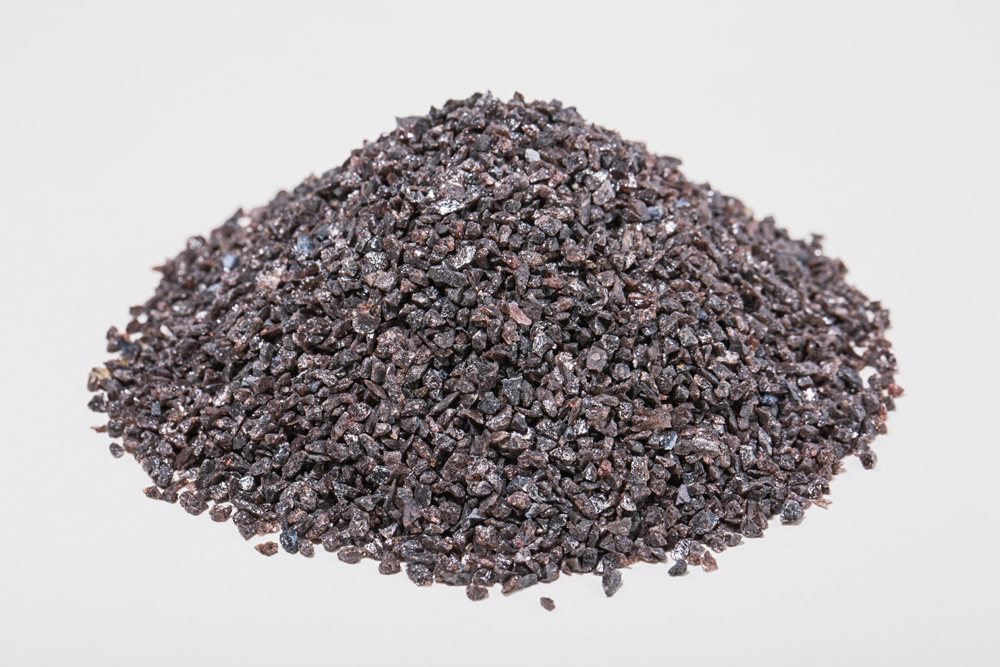
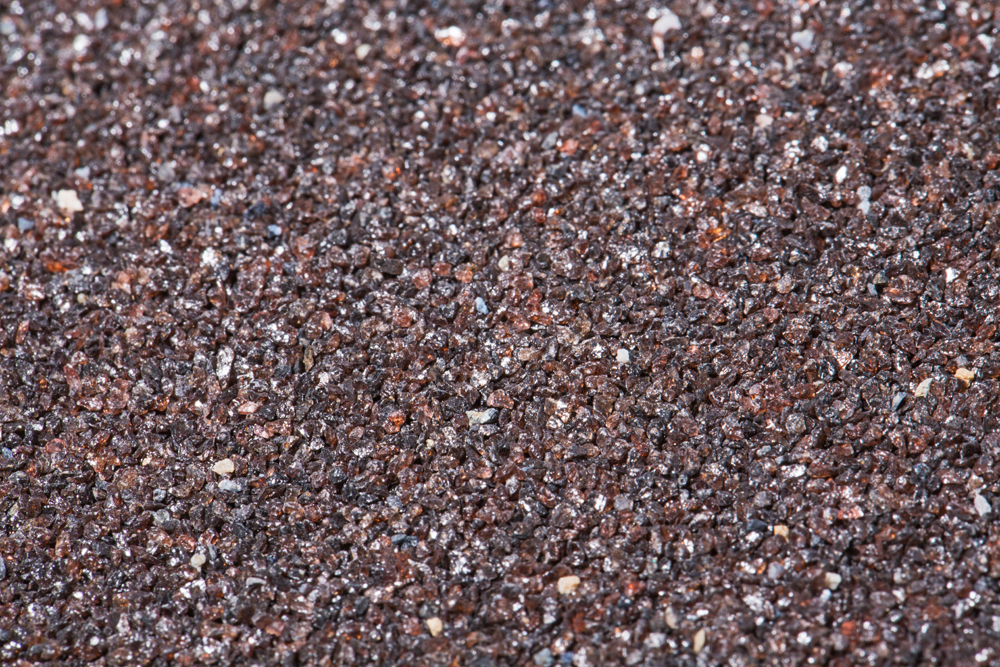
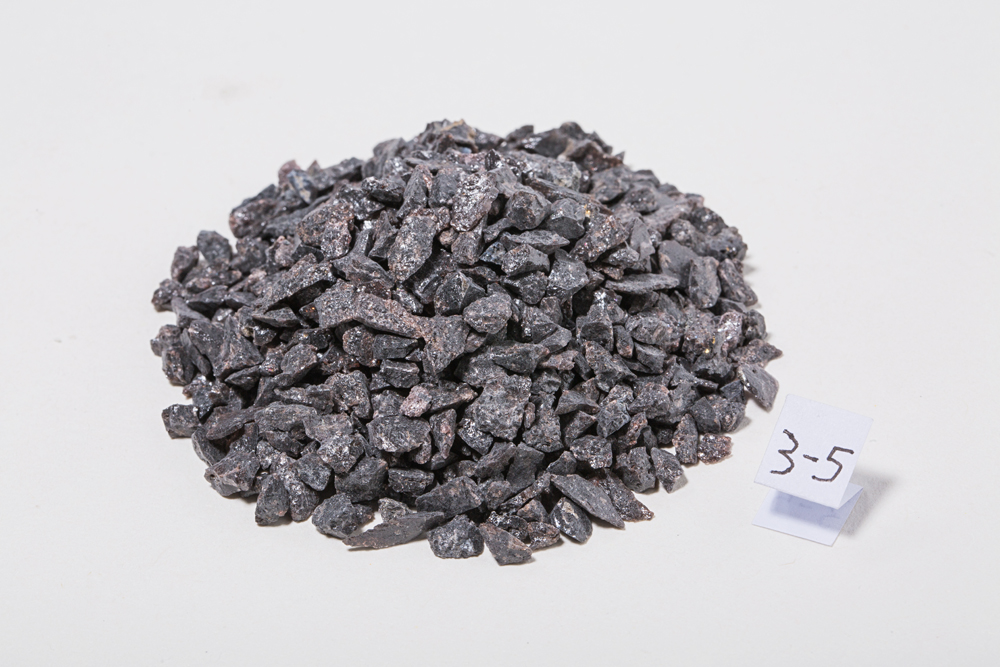
Calcined brown fused alumina costs more than the standard grain it starts from: heat treatment is an extra production step, and the premium shows up in every tonne. Sometimes it buys a longer-lasting wheel and a more stable process. Sometimes it buys nothing you can measure. The difference is whether your application can actually use the toughness the treatment adds.
What Calcination Does to the Grain
Calcination is a controlled heat treatment applied after crushing and grading: the grain is held at high temperature and cooled before finishing and packing.
On our own product data, it is a written specification item, not a marketing word. The A-grade specification for F46 brown fused alumina, for example, lists a calcination temperature of 1050–1350 °C alongside its chemistry and magnetic content limits. When you compare offers, look for a line like that in the specification you will order against.
The treatment makes the grain tougher and less friable: it resists fracture longer, holds its blocky shape through more impacts, and breaks down more gradually. Chemistry and grit size stay what they were — an F46 remains an F46. What changes is the breakdown behaviour discussed in our guide to testing the friability of brown fused alumina grit. Every case for or against calcined grain comes back to whether slower breakdown helps or hurts your process.
Where the Premium Usually Pays Back
Vitrified grinding wheels under sustained load. This is the classic case. A vitrified bond holds the grain firmly, and the wheel is expected to keep its form over a long run. If the grain fractures too early, the wheel wears fast, form is lost, and dressing interrupts production. Tougher calcined grain matches that bond better: dressing intervals stretch, and dimensions stay steadier across the run.
Heavy stock removal on steel. Long, heavy contact arcs punish friable grain: it is pulled at and heated for longer on each pass, and early fracture spends abrasive without finishing the work. Where removal rate and wheel life are both measured, slower breakdown often shows up directly in wheel consumption per part.
Form and precision work. When the wheel profile is part of the tolerance, grain that holds its shape holds the profile. Buyers here are buying stable geometry and fewer rejects, and a grain premium is small next to either.
In all three cases, the wheel stays in service long enough for grain toughness — not grit size, not chemistry — to be the limiting factor. That is when heat treatment earns its money.
Where It Usually Does Not
Price-sensitive resin cutting and grinding discs. Thin resin discs are consumed quickly by design, in an intensely cost-driven market. If the disc is used up before grain toughness becomes the limit, the premium is spent on a property the job never reaches. Standard grain, correctly graded, is normally the rational choice here.
Blasting and surface preparation. Standard brown fused alumina is already a tough, blocky blasting medium, and in open or loss-prone blasting much of the media leaves the process regardless of how tough it was. A heat-treatment premium on grain swept up after a few passes rarely survives a cost-per-square-metre calculation.
Short runs and frequent changes. If a wheel is dressed often, changed often or used for varied one-off work, it seldom stays in one steady regime long enough for a toughness advantage to accumulate. The premium needs production volume behind it.
None of this makes calcined grain a poor product. It makes it a specific one — buying it for a job that cannot use the extra toughness is an avoidable cost.
Judge It per Part, Not per Tonne
The most common mistake is comparing the two grains by price per tonne and stopping there. Per tonne, calcined grain will almost always look expensive. The comparison that matters is cost per finished part:
- Wheel consumption: how much wheel wear per batch of parts with each grain?
- Dressing and downtime: how often does each version need dressing, and what does that stoppage cost?
- Rejects and rework: does either version hold size and finish more consistently to the end of the run?
- Abrasive spend per part: total grain cost divided by good parts produced.
If the calcined version wins on that sheet, the premium is justified, whatever the per-tonne gap looks like. If it ties or loses, standard grain is the correct purchase — known from measurement, not assumption.
How to Trial It Without Fooling Yourself
A fair trial changes one variable only. Order the same grade and grit size in both versions — for example, the same specification from the brown fused alumina F-grit series, once as standard grain and once as calcined grain — and build both into wheels with the same bond, grade and structure.
Run both on the same parts and machine over a full production run, not a few test pieces. Record wheel wear, dressing interval, cycle time, finish and rejects. Early pieces flatter any new wheel; the toughness difference appears over time, as breakdown accumulates.
Two trial errors to avoid:
- Changing the bond at the same time. A harder or softer wheel grade will mask the grain effect, and you will not know which change produced the result.
- Expecting calcination to fix glazing. A glazing wheel usually has a grit, grade, structure or dressing problem first. Tougher grain held too long can make heat worse. Fix the specification before you change the treatment.
How to Specify It When You Do Buy It
If the trial says yes, write the treatment into the order, not a verbal understanding:
- Name grit size, grade and heat treatment together in the purchase specification, with the temperature range from the product specification where one is listed.
- Confirm it in the agreed technical document, and keep a retained sample from the qualified lot as your reference for later deliveries.
- Re-qualify if the supply route changes: a different processing route can change breakdown behaviour even when size and chemistry stay within limits.
Grain that has been shaped or further processed sits in our special processing range, where shape and grading are discussed against a working sample — useful when your trial shows shape, not just toughness, is part of the result.
The Bottom Line
Calcined brown fused alumina is worth paying for when the wheel stays under sustained load long enough for grain toughness to decide wheel life, form stability and cost per part — vitrified wheels, heavy steel grinding and precision form work are the clearest cases. It is hard to justify where the abrasive is consumed quickly, lost in blasting, or changed too often for the advantage to accumulate. Decide it with a one-variable trial and a per-part cost sheet, not the per-tonne price.
If you are weighing calcined against standard grain, send the grade, grit size, quantity, packing and destination port with the wheel type, bond and workpiece metal, and Luoyang Naibao New Materials Co., Ltd. — producing brown fused alumina since 1999 — will quote against that specification and supply matched samples for your own trial.