TECHNICAL GUIDE / 2026-10-30
Choosing a Grade for Refractory Castables: 95%, 94% or 90% in Service
Three quotations for refractory grain can look almost identical on a spreadsheet — same size fractions, same packing, three different grade numbers. Buyers are then asked to pay more for 95% alumina than for 94%, and more for 94% than for 90%, and the obvious question follows: what does the extra alumina actually buy inside a castable lining? The answer depends less on the number itself than on where the grain will work. Grade selection for castables is a service decision first and a purchasing decision second.
What the Grade Number Does and Does Not Say
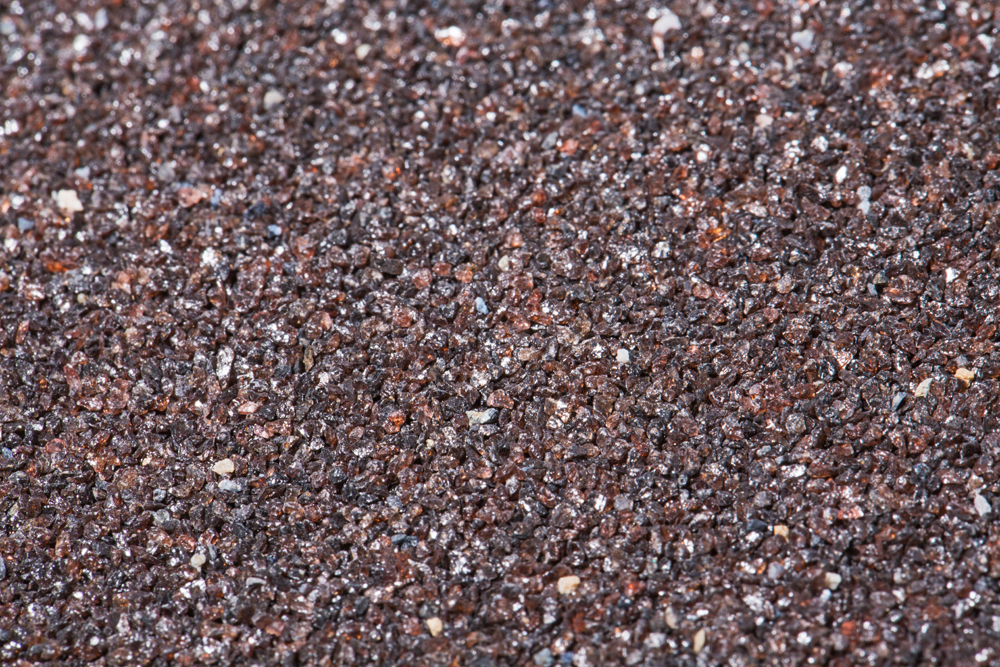
The grade figure is the nominal Al₂O₃ level of the grain. The rest of the composition is made up of minor oxides — mainly TiO₂, SiO₂ and Fe₂O₃ in brown fused alumina — and those minor oxides are not filler. In a refractory body they influence how the grain behaves at temperature, how it reacts with slag and process dust, and how the fired matrix develops. Two grains with the same headline alumina figure can still differ in silica or iron content, which is why a grade number alone is not a complete specification.
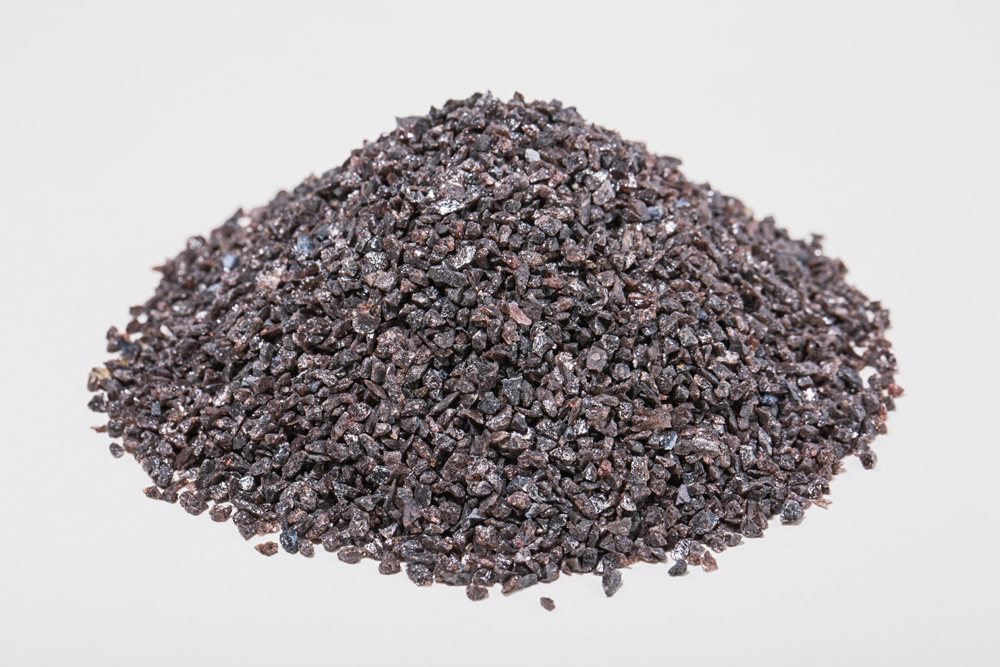
Grade is also product-specific. A chemistry row published for an abrasive F grit does not transfer to a refractory grain, even when the grade names look similar. Order refractory material against the data sheet for the refractory product itself, with limits written per oxide, and confirm the delivered lot against its batch test report. Our brown fused alumina for refractory castables page is the right starting point for that conversation: formulation, size distribution and chemical limits are agreed together, not copied from an unrelated product.
Start With the Service Zone, Not the Catalogue
A castable lining is not one environment. The hot face against molten metal or slag, the working lining behind it, and the backup layer near the steel shell live at different temperatures and face different attack. Choosing one grade for the whole lining usually means over-specifying part of it or under-specifying another part. Work zone by zone instead.
Temperature and contact duty. The closer the grain sits to full process temperature and direct slag or metal contact, the more its chemistry is worked. In those zones, higher alumina and tighter minor-oxide limits earn their premium: there is less low-melting material in the grain for slag to work on, and the aggregate skeleton keeps its strength deeper into the campaign.
Slag and dust chemistry. Ask what will actually touch the lining. Iron-rich slag, alkali dust and process fumes each attack a castable differently, and the minor oxides in the grain are part of that equation. For refractory service, silica deserves particular attention: agree an explicit SiO₂ limit rather than assuming the alumina figure covers it. A 94% grain with a controlled silica limit can be a more honest specification than a nominally higher grade quoted with no minor-oxide limits at all.
Wear and thermal cycling. Impact areas, burner surroundings, charging zones and doors combine heat with mechanical punishment and repeated expansion and contraction. There, grain toughness, density and the grading of the aggregate matter alongside chemistry. Upgrading chemistry while leaving a poor size distribution in place rarely fixes a cycling failure.
The Three Grades in Practice
95% grade belongs in the demanding zones: hot faces in steel and non-ferrous contact, slag lines, and castables designed for long campaigns at high temperature. It is the grade to reach for when a lining failure costs a shutdown, because the cost of the grain is small next to the cost of relining early. Specify it with per-oxide limits and a batch report, not by the headline number alone.
94% grade is the working grade for a wide range of industrial castables — furnace linings, ladles and troughs in moderate duty, and general high-temperature service where conditions are serious but not extreme. Many formulations are designed around this level, and it is often the rational default when the service analysis does not point clearly upward or downward.
90% grade has a legitimate place: backup and insulating-side layers, lower-temperature equipment, and high-volume applications where the castable design — binder system, matrix fines and installation practice — carries more of the performance than aggregate chemistry does. Using 90% in a zone the design genuinely supports is not cutting a corner; using it at a slag line to save on the invoice is.
Notice the pattern: the grade follows the zone and the formulation, not the other way round. A well-designed castable built on 94% grain will outlast a poorly designed one built on 95%.
Grading Can Outweigh Grade
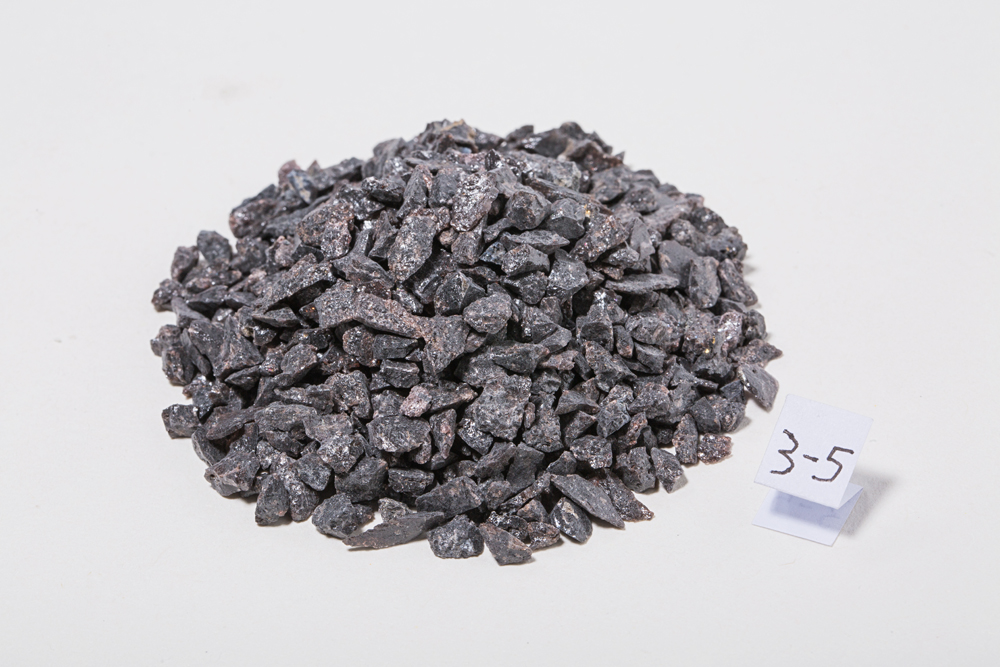
Castable performance is built on particle packing. The coarse fractions form the skeleton, mid fractions fill it, and fine powder completes the matrix. If the distribution is wrong — gaps in the middle sizes, excess fines, inconsistent lots — flow, water demand, density and fired strength all move, whatever the chemistry says. When you compare offers, compare the full fraction list: our refractory grain range is organised by those fractions, from fine powder up through sized grain such as 3–5 mm. Change one variable at a time in trials: if grade and grading change together, the trial cannot tell you which one caused the result.
Cost the Campaign, Not the Tonne
Per tonne, 95% will look expensive and 90% will look attractive. Per campaign, the arithmetic reverses wherever lining life is the constraint: aggregate is one cost line inside a relining that also involves labour, downtime and lost production. The sensible rule is to spend grade where failure is expensive and save it where the design allows. That normally means the premium grades concentrated in hot-face and contact zones, and honest lower grades doing volume work behind them — rather than one grade stretched across the whole lining in either direction.
Specifying and Qualifying Your Choice
A workable grade decision ends in a written specification. Include: the service zone and maximum working temperature; the slag or contact medium; the fraction list with distribution limits; chemical limits per oxide, with Al₂O₃ as a minimum and SiO₂ and Fe₂O₃ as maxima; and the batch documentation to be supplied with each lot. Then qualify in the castable itself — cast test pieces with your binder system and installation water, fire them, and compare strength and behaviour against your current lining material. Keep grading and formulation constant so the grade comparison is clean.
Luoyang Naibao New Materials Co., Ltd. supplies brown fused alumina refractory grain in sized fractions and fine powder for castable formulations. Send us the service zone, target grade, fraction list, quantity and destination, and we will match the grade recommendation to the duty rather than to the headline number.