TECHNICAL GUIDE / 2026-10-02
Short answer. When a wheel behaves differently after a brown fused alumina change, compare dressing conditions and wheel construction before assigning the cause to the grain. Hold dresser condition, wheel speed, infeed, coolant and workpiece as stable as possible, then record wheel surface, cut, wear and finish. A raw-grain PDS cannot predict a universal dressing interval.
Treat dressing as part of the trial
Dressing changes the working face of a grinding wheel. If a wheel made with a new brown fused alumina grain needs a different dressing interval, the observation may reflect grain fracture, bond retention, structure, loading or machine conditions. Start with the finished wheel specification and the existing process, not with a conclusion about the abrasive. Record the approved baseline wheel, work material, cut and finish target. A comparison that omits the dresser cannot separate a wheel change from a dressing tool that has worn during the trial.
Specify what the operator means by poor dressing response. Is the wheel slow to open, does the surface break down quickly, does power rise after a few passes, or does finish drift between dressings? These are different symptoms. Write down a measurable signal such as cycle time, power trend, wheel wear or surface finish under the site's test method. An anecdote that the wheel feels harder may be useful as an observation, but it is not an acceptance criterion.
Record the candidate grain and wheel build
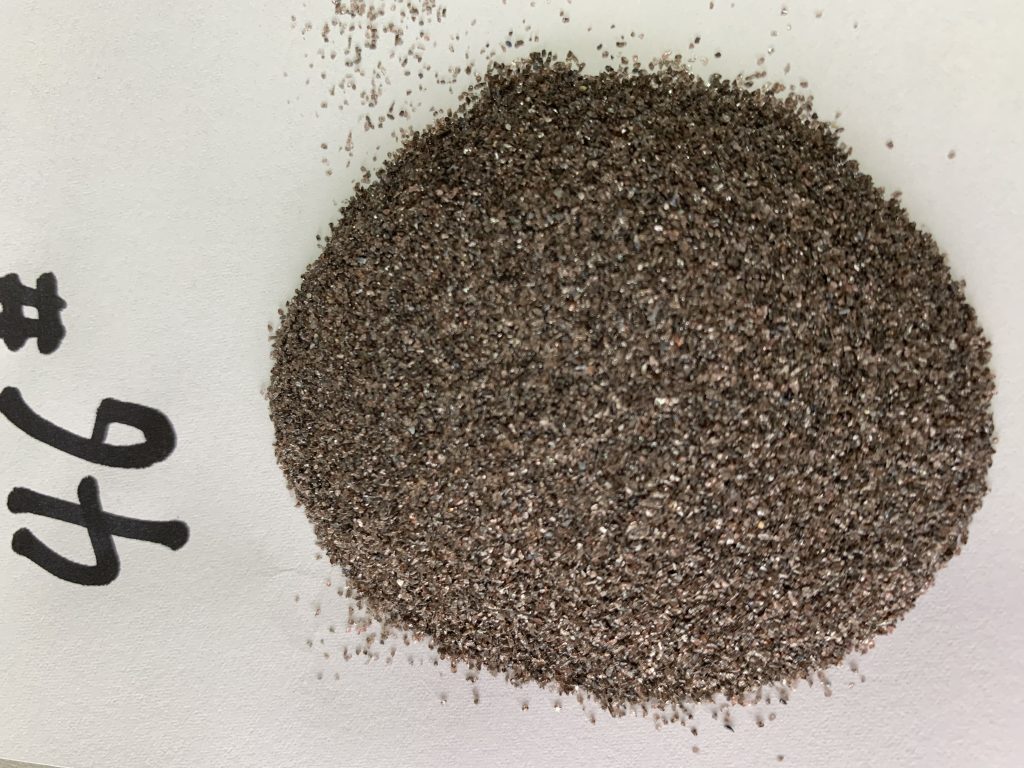
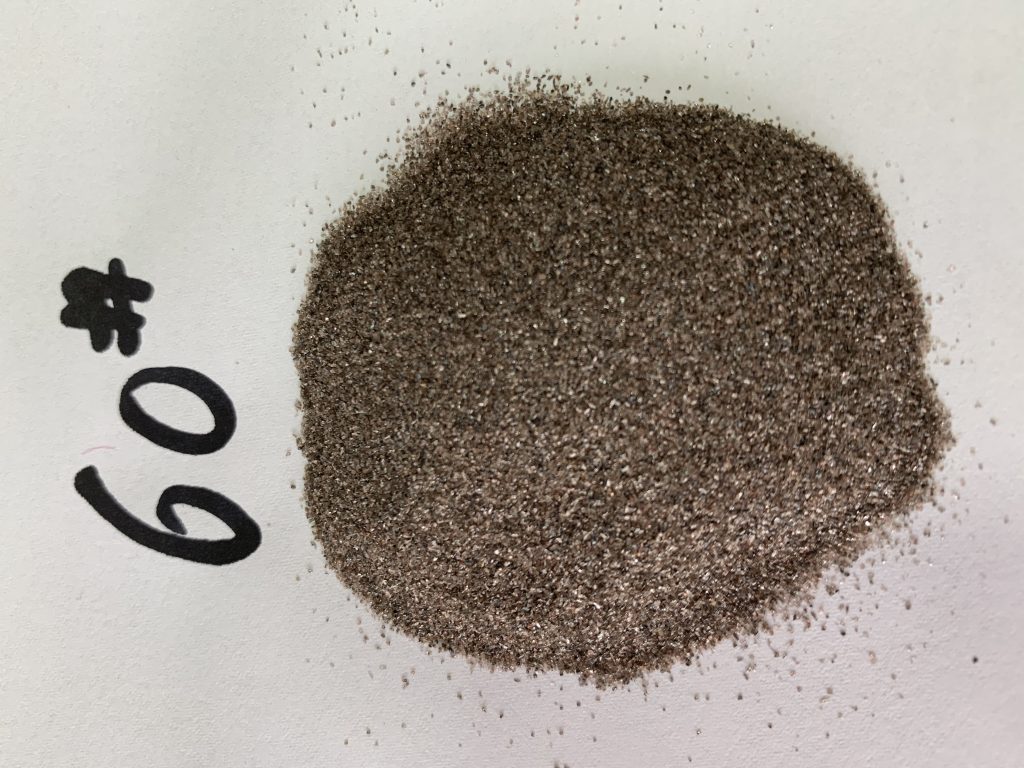
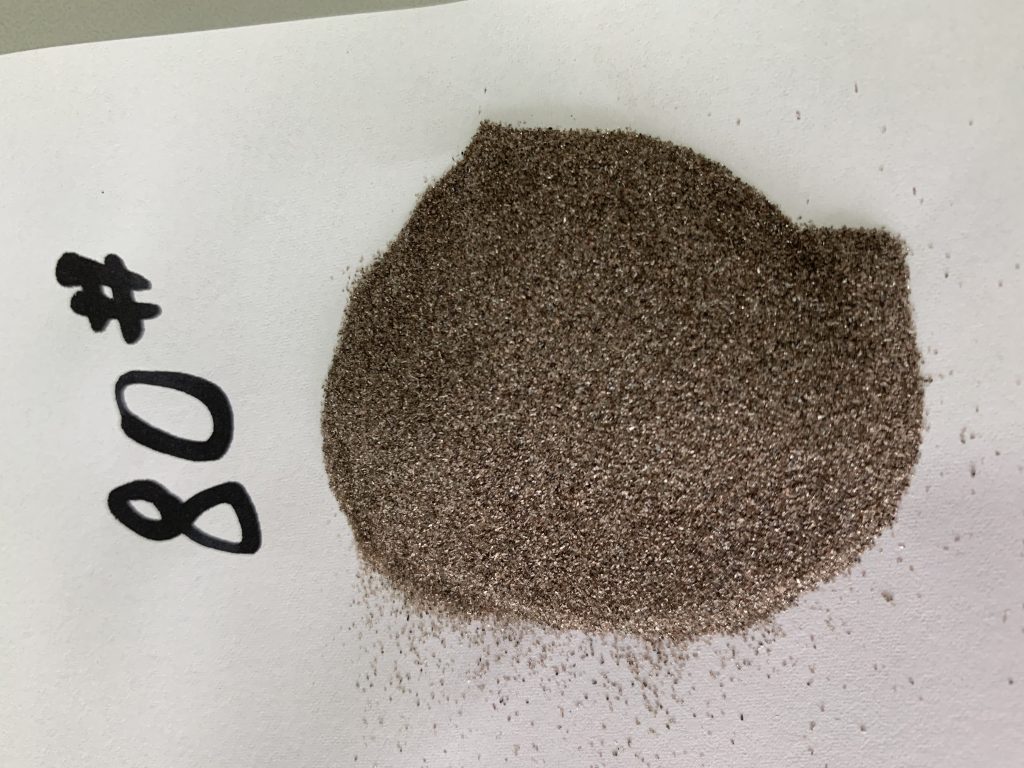
Use the complete F grade, grain product, supplier lot, particle-size distribution and any specified shape or chemistry limit. If the wheel manufacturer changes the grain supplier, preserve the old lot record and a representative sample. A different grain shape can influence mixing and wheel structure, while a different grade changes size distribution. Document which variable is actually under test. The grain PDS describes the incoming material; it does not certify the wheel's working face.
Record bond type and recipe revision, wheel dimensions, porosity or structure designation, manufacturing date and quality release. A change in bond batch, pressing or firing or curing can affect dressing response independently. If two wheel batches differ on several factors, use them for screening rather than drawing a definitive grain conclusion. A controlled follow-up may need a pair of wheels built under the same conditions with only the abrasive change planned.
Make dressing conditions repeatable
The dresser type, tip condition, traverse, depth, overlap and coolant delivery should be defined by the process engineer. Use the same written setup for baseline and candidate when safe and appropriate. Inspect the dresser between runs; a damaged or loaded tool can create a wheel surface that looks like a grain problem. Where the new wheel genuinely requires a different dressing setting, first establish performance under the baseline method, then record the adjusted method as a separate condition.
Photograph or inspect the dressed wheel surface under the site's approved method, but keep the associated numeric grinding results. One image may show local loading or damage without explaining the cause. The team should look for consistency across several dressing cycles. If a candidate performs well only immediately after dressing and then rapidly loads, investigate the wheel, workpiece and coolant together rather than moving directly to a coarser F grade.
Follow the wheel through grinding
Run comparable workpieces at controlled feed, speed, coolant and measurement intervals. Record the number of parts or time between dressings, wheel consumption, grinding power where available, workpiece finish and any thermal damage. Keep safety and dimensional checks as independent gates. A longer interval is not valuable if the wheel produces unacceptable finish or excessive heat. Nor does a shorter interval necessarily mean the raw abrasive failed its purchase specification.
If the observed difference repeats, examine whether grain fractures to expose new edges or whether whole grains leave the bond. Where the process allows, look at spent material and the wheel surface. Combine those observations with the wheel-making record and incoming grain checks. A supplier can investigate a lot difference only if the buyer can provide its exact identity, the compared control lot and the process evidence. Maintain that trail before changing the specification.
Selection guidance
For a CHAOYAN technical inquiry, send the F grade, current grain record, wheel bond, work material, dressing method and measured symptom. Request the matching product sheet and a controlled sample if a material trial is justified. The grinding-wheel guide covers the wider grain selection; the F46-versus-F60 guide helps discuss size choices. This article focuses on diagnosing a process response after change. The final choice should follow the wheel maker's finished-product tests and its own acceptance limits.
Common mistakes
- Blaming incoming grain before checking dresser condition and wheel build.
- Comparing one freshly dressed wheel with another after a longer working interval.
- Calling a longer dressing interval an improvement without finish and safety checks.
- Losing the link between a wheel batch and the supplied abrasive lot.
Related technical guidance
Frequently asked questions
Can a brown fused alumina PDS specify a dressing interval?
No. The interval depends on the complete wheel, machine, workpiece and operating conditions. The PDS can identify the raw grain used in a controlled trial.
Should the dresser setting always remain fixed during qualification?
Use a fixed baseline to understand the initial difference. If the candidate requires a justified adjustment, document and test that setting separately under the manufacturer's approved procedure.