TECHNICAL GUIDE / 2026-10-02
Short answer. Control blasting dust through suitable containment and extraction, maintained equipment, documented abrasive feed and a reclaim rule that removes fines and foreign material. Dust may also originate from coating removal or the substrate, so a change in airborne material cannot automatically be blamed on the brown fused alumina grade. Follow the site's exposure and waste procedures.
Find the source before changing abrasive
A blasting enclosure can contain particles from the supplied abrasive, fractured media, the coating or scale being removed, and the substrate. These sources may have different handling and health implications. If operators report more dust after a material change, record the workpiece and old coating, nozzle condition, pressure, extraction state and reclaim history before drawing a conclusion. The brown fused alumina lot is one variable. A worn nozzle or overloaded dust collector can change the visible cloud even when the abrasive is unchanged.
Ask what the observation means in measurable terms. Is visibility lower, is a filter loading faster, is a reclaimed batch carrying more fines, or is the prepared surface retaining dust? Each question calls for a different check. Airborne exposure assessment and waste classification belong to the site's qualified safety process; a product page cannot set those controls for every coating or substrate. Keep material identification and safety documentation available to the people responsible for the operation.
Examine new feed and storage
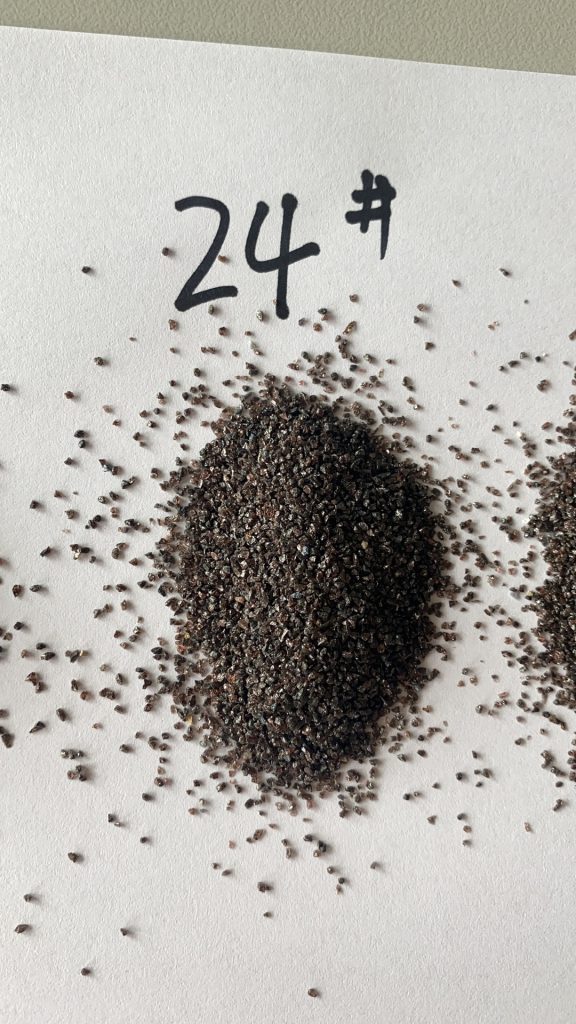
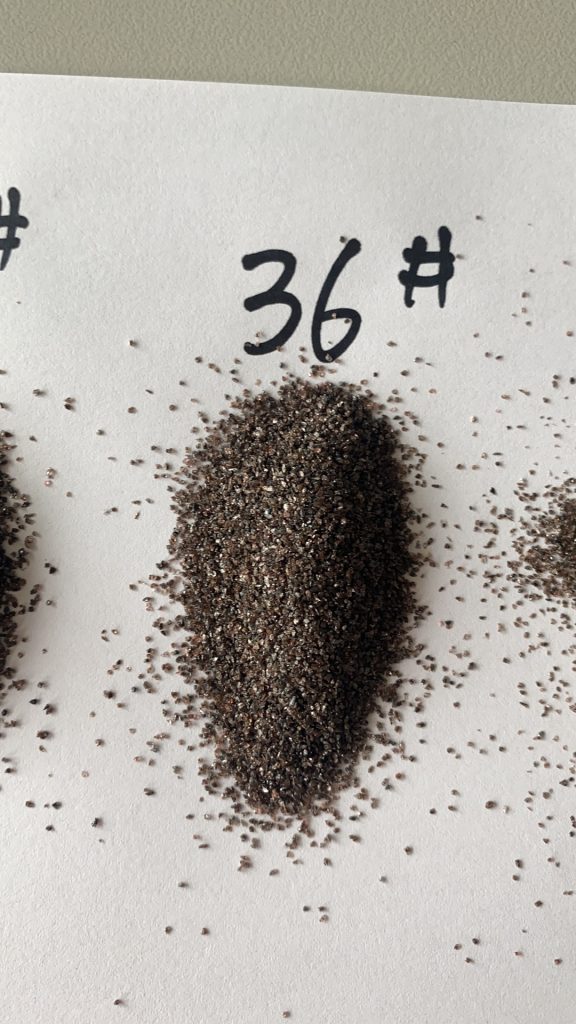
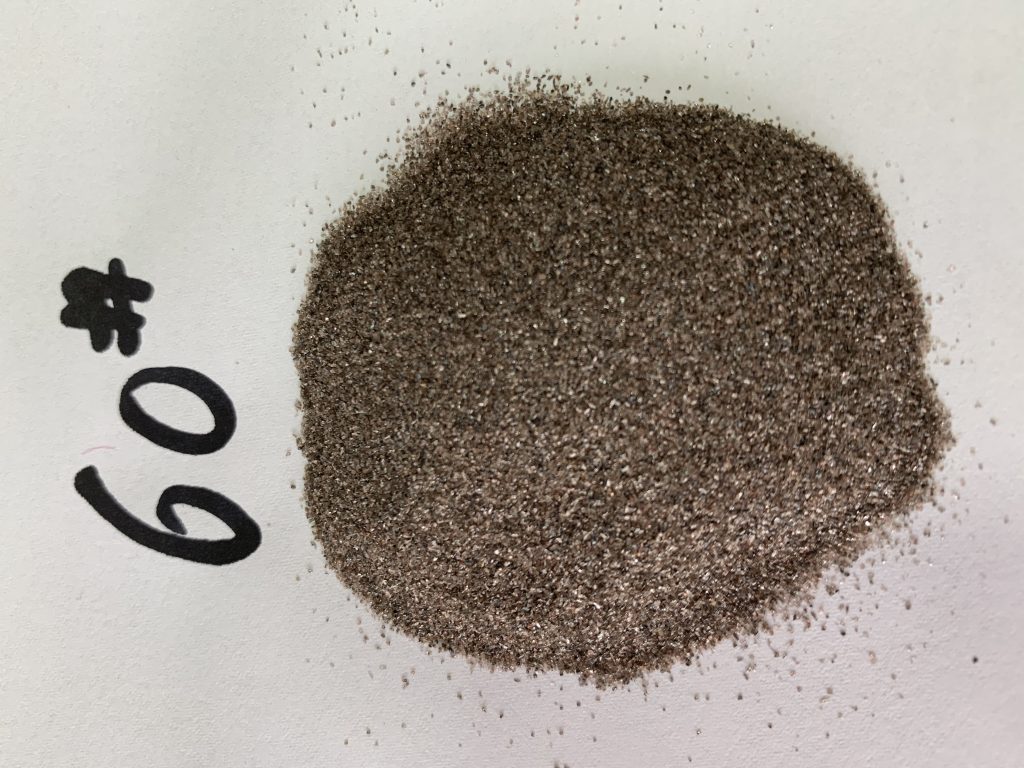
Record the F grade, supplier lot, packing condition and any screening result required by the purchase specification. A dry, sealed bag helps preserve the supplied grain condition, but a visual check alone cannot establish the fine fraction. If the process has a limit for unwanted fines, agree a sampling and test method and compare a representative new-feed sample with that limit. Keep a retained sample so later shifts can be compared with the material actually introduced to the system.
Storage and transfer can also contribute. Torn bags, open hoppers and uncontrolled pour points release material or admit foreign dust. Keep each grade separate and prevent a fine grade from contaminating a coarser feed hopper. If feed lines or hoppers are cleaned between jobs, document the cleaning condition. A production run that mixes several lots without records makes it difficult to distinguish incoming material variation from fines created by use.
Maintain containment and extraction
The enclosure, seals, airflow path, filter condition and collector maintenance schedule should be reviewed as one system. A blocked filter or leak can raise dust in the work area while the blast profile remains temporarily acceptable. Record inspections and corrective work before comparing abrasives. Check that extraction changes do not unintentionally pull excessive usable grain out of the process. Those balances should be assessed by the plant's equipment and safety team, using the equipment maker's operating instructions.
At the blast nozzle, log pressure and nozzle wear. Operators sometimes raise pressure to recover cut when a nozzle is worn or the reclaimed blend has too many fines. That adjustment can change impact, media breakage and substrate effect simultaneously. Restore the equipment to a known condition before using dust level as evidence about grain quality. When a process uses wet blasting, add water and sludge management to the assessment rather than assuming dust is simply removed from the problem.
Govern reclaimed abrasive
After each pass, the circulating abrasive may contain broken grains, removed coating and substrate particles. A separator should remove material according to a defined operating window, with checks for fines and contamination. Record the fresh-media addition, reclaim fraction, discard rule and the point at which the mixture is sampled. The F grade on the original bag does not describe the entire circulating mixture after many cycles; a performance trial must use the actual blend that will be operated.
Compare the prepared surface as well as the media. A change in dust extraction or classifier setting can alter the particle population and therefore the resulting profile. Use the coating system's surface cleanliness and profile inspections, not airborne appearance alone, as acceptance evidence. If a contaminated reclaim stream is suspected, isolate it and avoid mixing it into fresh stock before the material and surface impact have been assessed.
Selection guidance
When discussing a brown fused alumina candidate, provide the plant's dry or wet process, F grade, nozzle and pressure range, extraction equipment, reclaim policy and surface target. Request the matching product data and a representative sample. Use the recycling guide for the material side of the reclaim decision and the blasting process checklist for equipment variables. The desired outcome is a stable, controlled process with documented surface quality and appropriate site safety measures; neither a low-dust claim nor a grade name alone establishes that outcome.
Common mistakes
- Attributing coating or substrate dust to the incoming abrasive without analysis.
- Comparing a fresh-grade sample with a heavily reused circulating mixture as if they were identical.
- Increasing blast pressure to mask a classifier or nozzle problem.
- Ignoring prepared-surface dust while focusing only on visibility inside the enclosure.
Related technical guidance
Frequently asked questions
Can a supplier guarantee a dust-free brown fused alumina blasting process?
No. Dust also depends on the workpiece, removed material, equipment, settings and reclaim condition. Define the test and operational controls for the specific installation.
Does removing more fines from reclaim always improve the process?
Not automatically. The separator setting may remove usable media or change the resulting profile. Compare media balance, surface results and operating costs under a controlled trial.