TECHNICAL GUIDE / 2026-10-02
Short answer. The F or P prefix is part of the product identity. Carry it through the inquiry, PDS, sample label, quotation, technical sheet, purchase order, packing and batch report. If a document shows only a number, resolve the identity before the material enters production.
Why a single number can create a purchasing error
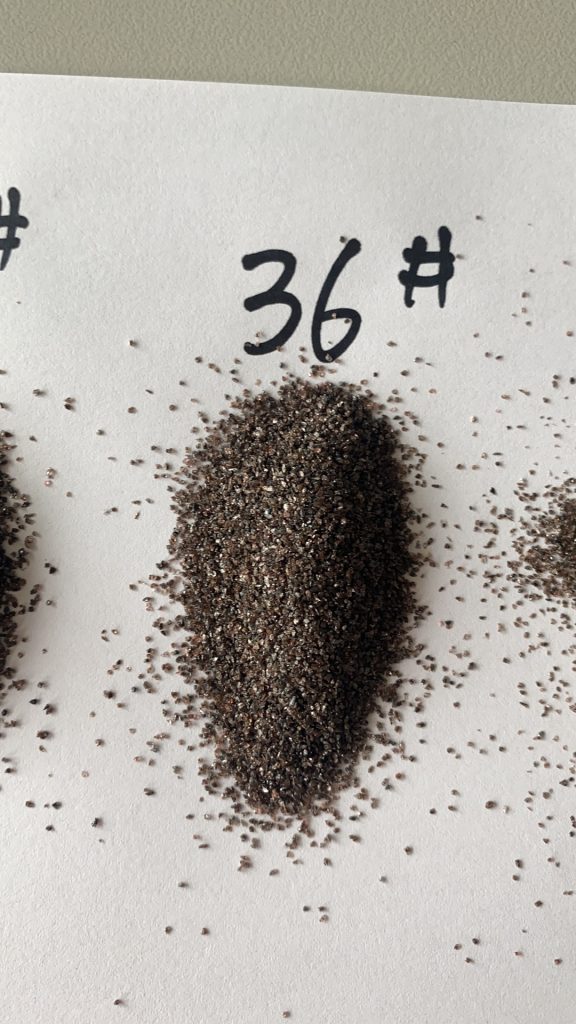
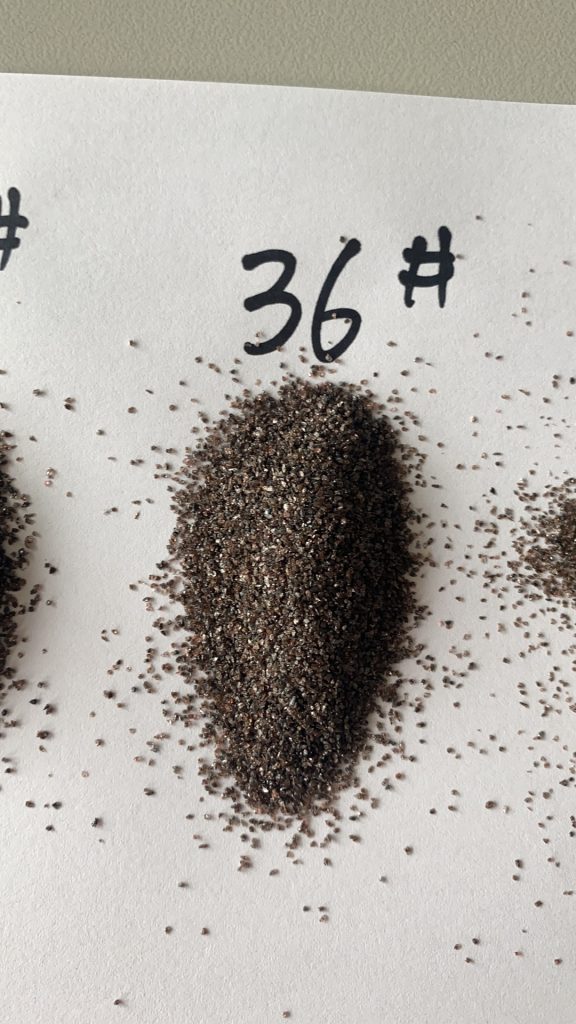
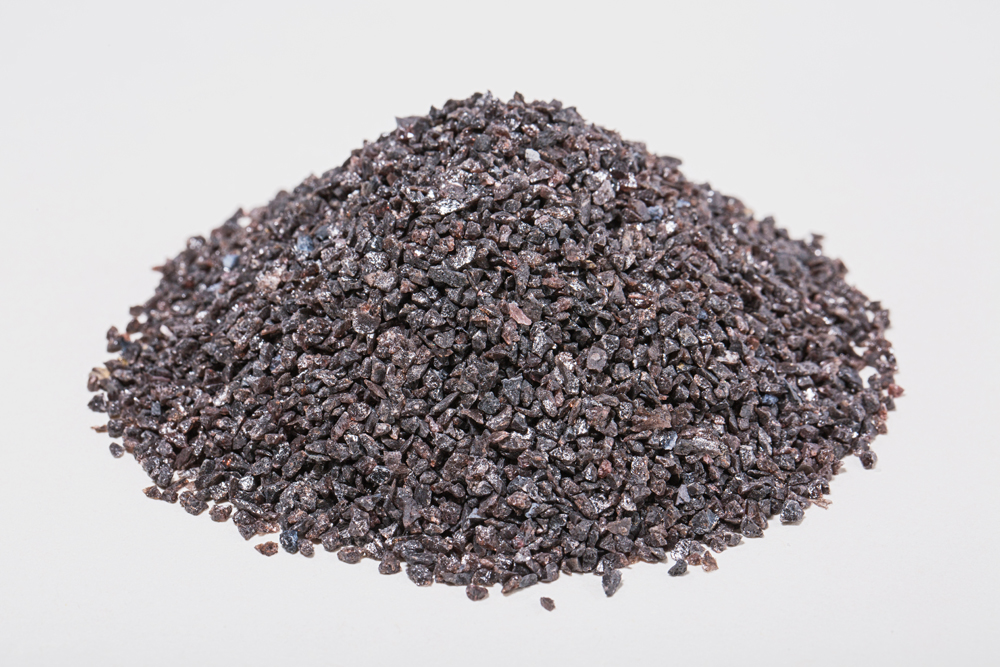
CHAOYAN lists both F and P brown fused alumina grit models. The F series is the catalog route for bonded abrasive applications and blasting, while the P series serves coated abrasive production. A request for '36 grit' can therefore be misunderstood. The risk grows as information passes between engineering, procurement, sales, warehouse and quality teams. One person's shorthand can become the official item description on the next document.
Start every requirement with the complete model and intended application. If the current product is F36, write F36 in the sample request and technical sheet. If it is P36, do the same. A shared number does not establish an identical distribution or an interchangeable manufacturing route. When a buyer changes from one series to the other, treat it as a new material qualification, not a clerical correction.
| Bare entry | Required clarification |
|---|---|
| 36 grit | F36 or P36, and applicable standard |
| 60 alumina | F60 or P60 and end use |
| Fine grit | Exact model, distribution and method |
Keep the prefix across the document chain
The product page and English PDS are useful references for exact CHAOYAN models. Match their names with the supplier quotation and physical sample label. The technical sheet should add distribution, chemistry, physical requirements where relevant, test methods and accepted limits. The purchase order should point to the same model and revision. When the shipment arrives, the packing label and batch report should still show that identity.
If a vendor proposes a substitution, put it on a separate line and review the differences. Do not silently edit a P product into an F product in a spreadsheet because the price is attractive. A controlled change record is especially important for coated belts or bonded wheels that have already been qualified for customers. The grain's raw material status and finished-tool result should be checked separately.
| Document | Identity check |
|---|---|
| PDS and sample | Full model and lot |
| Quotation | Same F/P model and any exception |
| Order and technical sheet | Accepted limits for that model |
| Packing and batch result | Delivered model and lot |
Reconcile standards and methods as well as names
A correct prefix is necessary but not sufficient. The buyer and supplier should agree which grading standard and edition apply, what particle distribution is accepted and how it is tested. A supplier's familiar model name may be accompanied by a different test method from the buyer's old document. Reconcile those differences before declaring a replacement equivalent. Avoid copying an online grit chart into a contract without checking its scope.
When the public product page shows a family chemical range or model-specific sample, keep its context. Do not use a sample row as a guaranteed batch limit or move it to a neighboring grade. For properties absent from the public PDS, request the current order-specific sheet. A clean document chain keeps product identity, reference information, agreed guarantees and measured delivery results in distinct places.
| Layer | Question |
|---|---|
| Designation | Which exact F or P model? |
| Grading | Which standard, edition and method? |
| Guarantee | Which accepted order values? |
| Delivery | Which batch result and lot? |
Build a simple hold rule for mismatches
If a delivery or report drops the prefix, do not guess from appearance. Place the material on hold under the receiving procedure and ask the supplier to confirm identity with traceable documents. If an order itself was ambiguous, resolve the intended material with engineering before releasing it. The correction should be reflected in every affected document, not only in one email.
In a CHAOYAN inquiry, include the full F or P model, end use, current standard, sample quantity and planned volume. Request the exact PDS and a labeled sample. That small discipline makes quotations comparable and protects the production trial from an avoidable error. It also allows future repeat orders to use a clear item code rather than rediscovering which grain a bare number was meant to describe.
Selection guidance
Use the complete F or P model in every handoff. If a quote, label or batch report omits the prefix, stop the material identification step until the documents agree.
Common mistakes
- Treating F36 and P36 as the same material because the number matches.
- Keeping the prefix in engineering notes but dropping it from the purchase order.
- Accepting a physical sample without a model and lot label.
- Using a general grade chart as an order guarantee.
Frequently asked questions
Can a buyer write only the grit number if the supplier knows the application?
Use the full model anyway. The identity must survive quotation, packing, receiving and repeat orders without relying on one person's memory.
What if a shipped label is missing the F or P prefix?
Hold and verify the material under the buyer's receiving process; reconcile the label with traceable order and batch documents before use.