TECHNICAL GUIDE / 2026-10-02
Short answer. Start with the wheel design and accepted F grade, then qualify a brown fused alumina lot through both raw grain testing and a controlled vitrified wheel production trial. Grain chemistry or size alone cannot guarantee the fired tool's result.
Describe the wheel design before requesting grain
A vitrified wheel maker does not buy an F grade in isolation. The grain enters a recipe with bond material, structure targets, forming conditions and a firing route. Begin a request with the wheel type, work material, current grain and the property the trial is meant to change. If the issue is tool performance, define the test method and acceptable range. If it is production variation, identify which stage shows the problem and how it is measured.
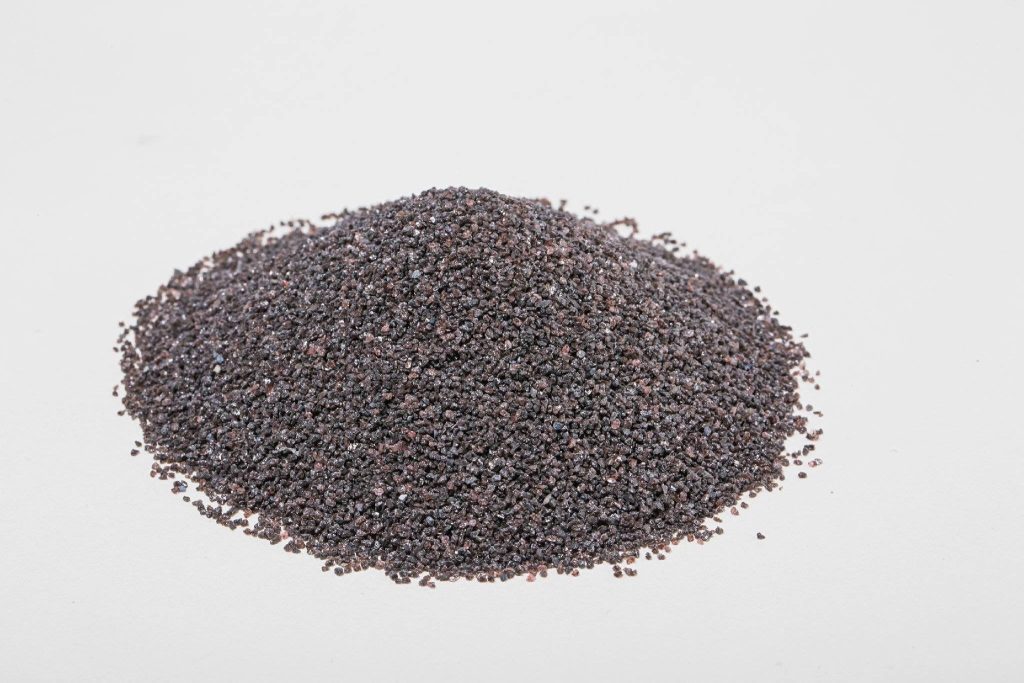
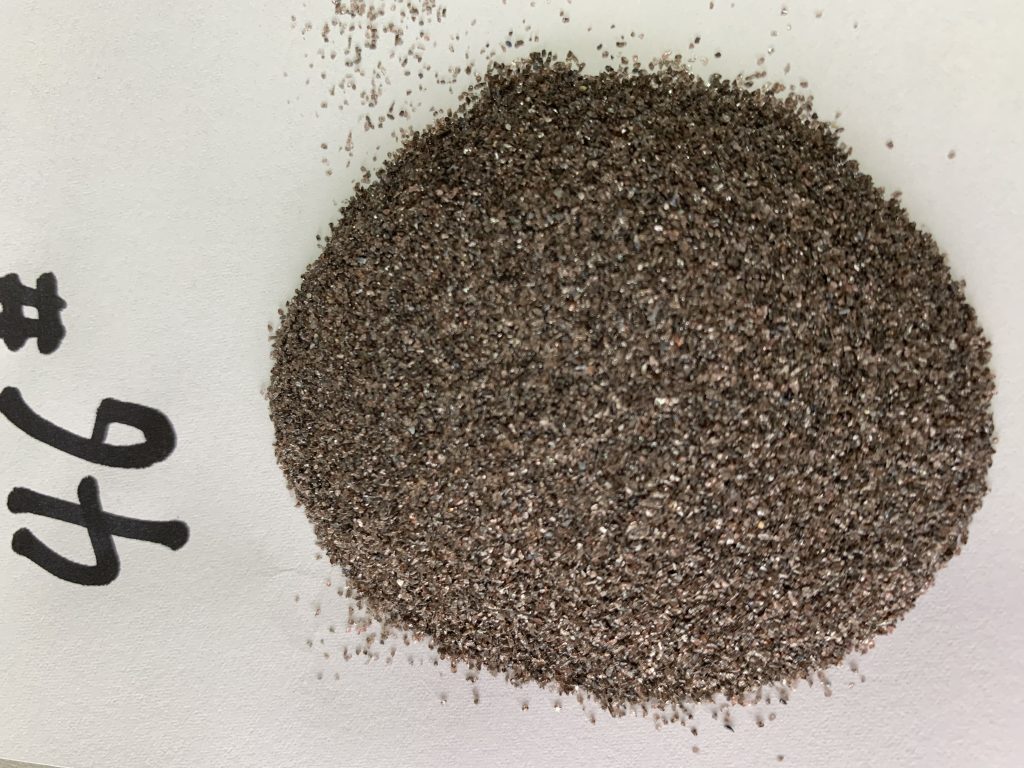
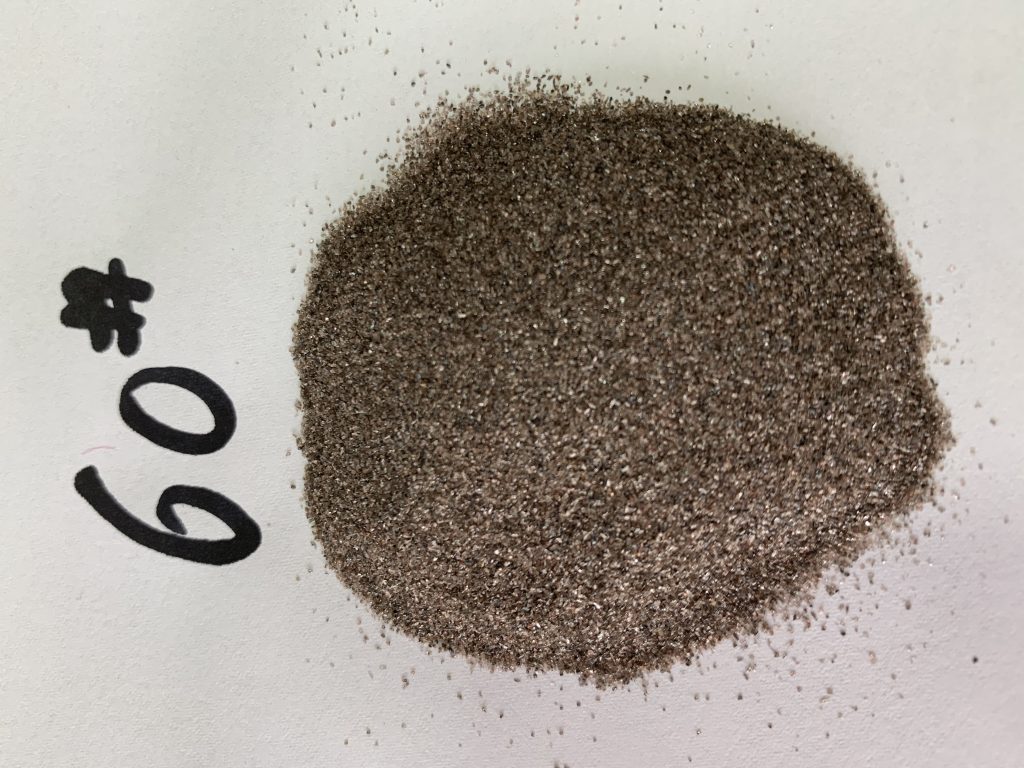
CHAOYAN lists F grit for bonded abrasive wheel applications and individual F model PDS files. Those pages can narrow candidates, but they do not prescribe a vitrified bond recipe. A supplier can provide raw grain identity, published ranges and a sample. The wheel producer must establish how that grain behaves in the actual bond system and whether a specification change requires customer requalification.
| Wheel input | Include in the grain RFQ |
|---|---|
| Current material | Exact F grade, supplier sheet and sample |
| Recipe context | Bond type, structure and forming route |
| Trial objective | Manufacturing or grinding acceptance measure |
| Volume | Sample requirement and repeat demand |
Fix the material specification for the trial
Write the complete F designation, applicable grading standard and edition, size distribution, chemistry and physical requirements relevant to the wheel. If the buyer has a current accepted sample, retain it as a reference. The public product sheet may show a series chemical band or a model-specific physical row, but a production order needs the limits agreed between buyer and supplier. Do not transfer a value from a different grade or treat a sample composition as a universal guarantee.
For each candidate lot, match the sample label to its PDS, batch report and quotation. Record how it was sampled and tested. If particle shape is under investigation, state how shape will be evaluated and which manufacturing or performance result makes it relevant. This avoids a vague request for 'better shape' that neither party can verify on delivery. Keep the original material specification unchanged while testing an alternative so the comparison has a stable baseline.
| Material record | Purpose |
|---|---|
| Product model | Keeps the F grade unambiguous |
| Distribution and methods | Makes deliveries testable |
| Batch report | Connects the trial to the supplied lot |
| Retained sample | Supports later comparison |
Separate raw grain conformance from firing behavior
First determine whether the incoming grain meets its agreed material sheet. Then make trial wheels under documented mixing, forming, drying and firing conditions. If one candidate requires a different cycle or bond adjustment, run it as a separately identified process variant. Otherwise the result combines a grain change with a recipe change and cannot show which factor mattered.
Record manufacturing yield, defects and the finished wheel tests relevant to the intended use. A grain may pass every incoming check but still be unsuitable for a particular wheel formulation. Conversely, a wheel result may be poor because a process step drifted while the grain was in specification. Keep lot, recipe revision, kiln or furnace run and test records linked so the investigation can find the actual cause instead of blaming whichever input was most recently changed.
| Evidence | Decision it supports |
|---|---|
| Incoming grain result | Material conformance |
| Firing and forming record | Production repeatability |
| Finished wheel test | Application suitability |
Approve the change with a repeatable supply plan
An accepted trial should lead to a controlled technical sheet, not an informal instruction to buy the same-looking grain again. Name the F grade, limits, methods, batch report, packing and label. Define what happens if a delivered result approaches or exceeds an agreed limit. If the wheel is supplied against a customer qualification, follow that customer's notification and approval process before changing the grain or manufacturing route.
Send CHAOYAN the wheel application, current F model, sample and technical requirements, target result, trial quantity and planned volume. Ask for the exact product PDS and discuss the order values that must be guaranteed. The supplier's role is to deliver the specified raw material consistently; the wheel maker's role is to show that its vitrified tool meets its own production and performance criteria.
Selection guidance
Narrow to exact F models only after identifying the wheel recipe and trial objective. Approve both the raw grain sheet and the finished wheel test under recorded firing conditions.
Common mistakes
- Selecting an F grade by chemistry alone.
- Changing grain and firing route together without a separate trial record.
- Treating the grain PDS as a finished wheel certificate.
- Losing the link between the accepted trial lot and repeat purchase specification.
Frequently asked questions
Does an F grade suitable for resin wheels automatically suit vitrified wheels?
No. The bond system and production route differ. Qualify the raw grain and the finished vitrified tool in the intended process.
Which document controls repeat deliveries?
The agreed technical sheet, purchase order and batch test result control the supplied grain; the wheel maker's own test controls the finished tool.