TECHNICAL GUIDE / 2026-10-02
Short answer. A sample becomes a repeat order only after its exact product and lot are identified, raw material limits are agreed, the intended process trial passes and the accepted specification, packing and batch documents are fixed for future deliveries.
Request a sample that can be identified later
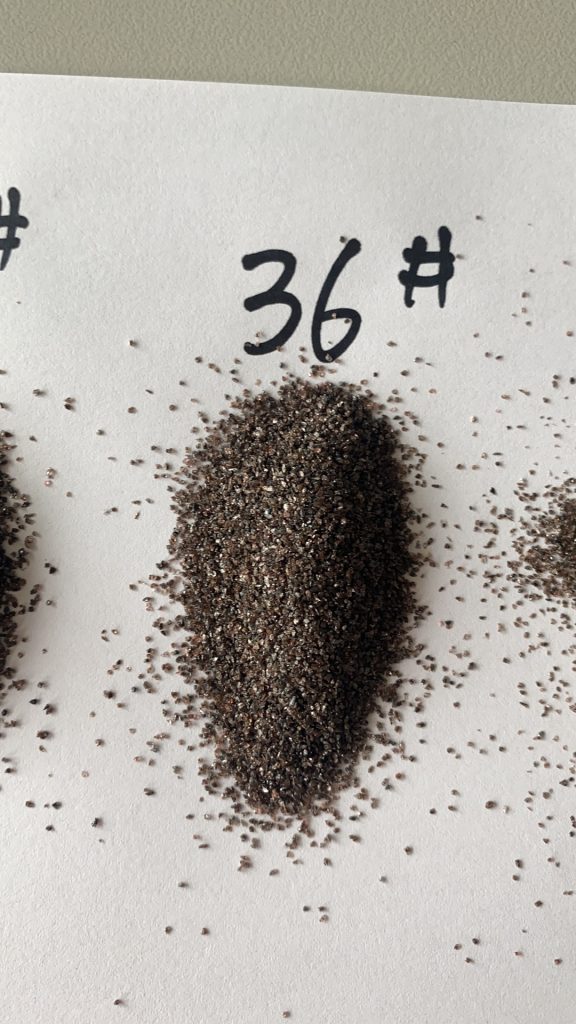
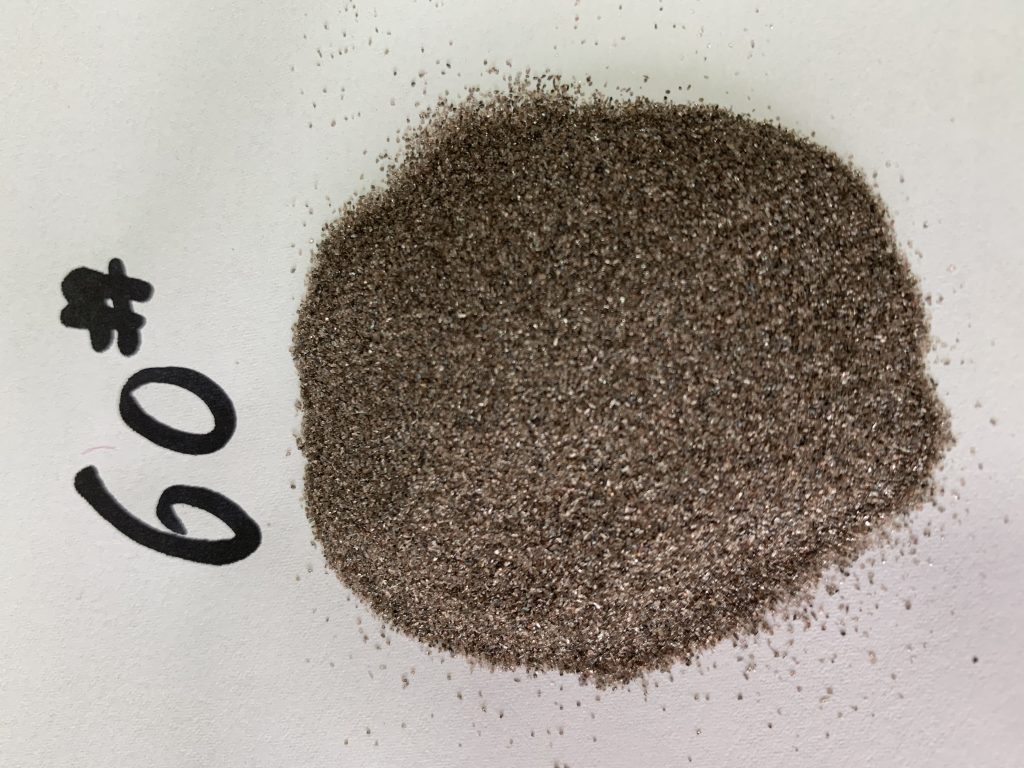
A bag of 'brown fused alumina sample' may be enough to start a conversation but not enough to qualify supply. The sample should carry the complete F or P model, refractory fraction, powder designation or custom processing code; supplier lot; and the document that describes it. Tell the supplier what application the sample will enter and how much material is needed for a meaningful trial. A tiny sample may support a laboratory screen but not a production-scale wheel, belt or refractory evaluation.
Keep the baseline material and its sheet beside the candidate. If the purpose is a supplier replacement, request the same product identity first. If the purpose is a new grade or custom property, state what changes and why. This prevents the team from reporting a passing trial without knowing whether the improvement came from supplier, grade or a process adjustment.
| Sample record | Reason |
|---|---|
| Complete model | Prevents family confusion |
| Lot and PDS | Links sample to source |
| Trial quantity | Matches test scale |
| Purpose | Defines the decision to be made |
Screen raw material before using it in production
Compare the candidate with the agreed technical requirements: particle distribution, chemistry, physical properties or shape where relevant. Use named methods and a documented sample plan. Public product pages and PDS files can show the supplier's published information, but the eventual purchase sheet must define accepted order limits. If a needed value is absent, ask for an agreed technical sheet; do not borrow it from another grade.
Record the result with the sample lot. A failed raw material test may stop the trial or trigger a separate technical discussion. A passing test permits the team to investigate the application; it does not prove that the finished tool or formulation will work. Keep those decisions separate so quality control and production understand why material was accepted or rejected.
| Gate | Evidence |
|---|---|
| Identity | Exact model and lot |
| Material | Agreed limits and test results |
| Documentation | PDS and proposed order sheet |
Use a controlled process trial
Run the sample in the actual manufacturing or blasting process with the baseline recorded. For a wheel, keep bond, tool geometry and work material visible. For a coated abrasive, record backing and coating route. For a refractory mix, record the fraction blend and binder. For blasting, capture substrate, equipment and surface target. Change one factor at a time where practical and note every deliberate adjustment.
Measure the finished outcome under the buyer's acceptance method, including rework or rejected output where relevant. A single favorable result on a small batch is evidence for a pilot, not automatic approval for all future production. Repeat the trial with representative conditions or lots when the risk and application justify it. Preserve the candidate sample, lot and test record so a later delivery can be compared to what actually passed.
| Process record | Decision supported |
|---|---|
| Settings or recipe | Shows test conditions |
| Finished result | Shows application suitability |
| Repeat run | Checks consistency |
| Deviation | Explains any changed condition |
Freeze the accepted version for purchasing
Once the sample and process pass, create or revise the item code and technical sheet. State product identity, accepted values, methods, packing, label and batch report. Put commercial details such as quantity, unit, price, currency, Incoterm and delivery terms into the quotation or order only after they are confirmed. Keep the approved sample and trial result attached to the material revision. This gives receiving a basis for checking each future lot.
For the first repeat deliveries, compare batch results with the agreed sheet and watch the intended process result. If the supplier changes a grade, processing route or critical limit, ask for review before treating it as the same material. Send CHAOYAN the current sample, application, target specification, trial plan and expected demand to begin this process. The goal is a supply that can be checked repeatedly, not a one-time sample that happened to work under undocumented conditions.
Selection guidance
Use four gates: identifiable sample, raw material check, controlled application trial and signed repeat-order specification. A failure or material change at one gate should be resolved before moving to the next.
Common mistakes
- Approving an unlabeled sample.
- Treating a PDS as the entire order guarantee.
- Changing material and process together without a record.
- Placing repeat orders before freezing the accepted grade and test method.
Frequently asked questions
Is one successful sample enough for an annual order?
It is a useful starting result, but repeatability and commercial supply should be confirmed under the buyer's quality and process requirements.
What documents should accompany repeat deliveries?
At minimum, use the agreed order and technical sheet, consistent packing labels and the batch documentation required by the contract.