TECHNICAL GUIDE / 2026-11-06
How to Evaluate a Brown Fused Alumina Sample Properly
A sample is the cheapest evidence a buyer ever gets — and the most often wasted. Most buyers treat it as a formality: open the bag, look at the colour, rub a pinch between their fingers, and place the order. Then the first production lot behaves differently. The sample did not mislead them; they never actually evaluated it.
A proper evaluation answers one question: does this material, in this grade and grit, behave in my process as my specification requires? Nothing here needs a laboratory of your own — only a written specification, a sieve set or a local test lab, and the discipline to judge the sample against the specification.
First: Is This the Material You Asked For?
Before any test, check identity: a sample that does not match the order it is supposed to represent proves nothing.
- Grade and grit on the label. The sample bag should carry the exact grade and grit you intend to buy — not a neighbouring grade, not "similar to F46". If the label is vague, ask for the lot identity in writing before testing.
- Packing and lot marking. Note how it arrived: sealed bag, labelled with grade, grit, and lot or batch number. A supplier that cannot identify a sample lot will struggle to trace a production lot.
- The documents that travel with it. A specification sheet for that grade and grit, and a batch test report for the lot the sample came from. Read the report the way you would read one for a lot you were about to accept — our guide to how to read a brown fused alumina batch test report walks through it item by item.
If the paperwork and the bag disagree, stop and resolve it in writing — testing a sample of unclear identity produces results you cannot trust or repeat.
Second: Look at It — Properly
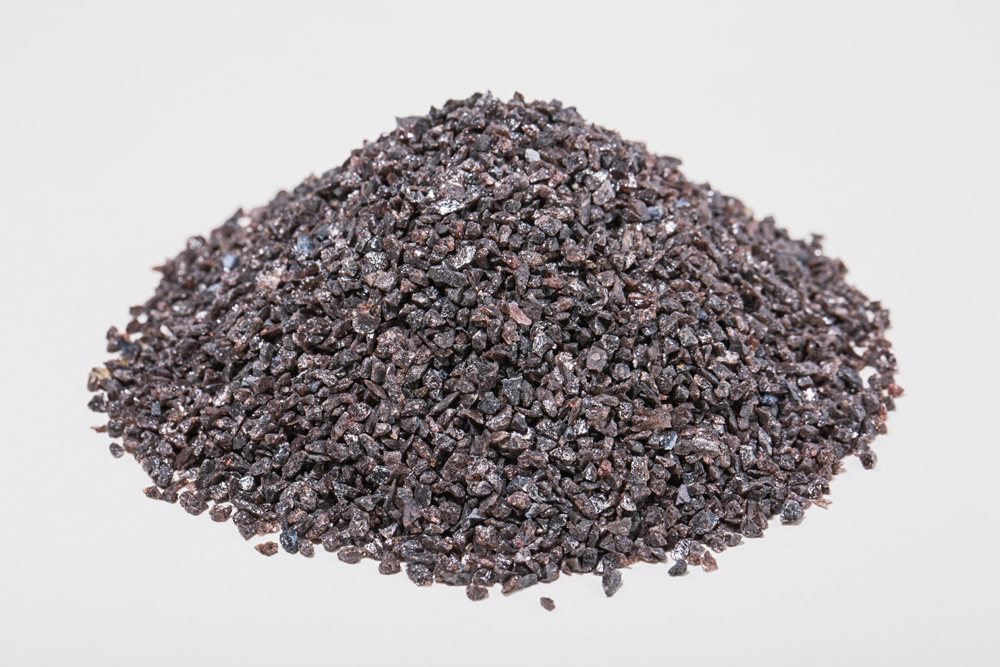
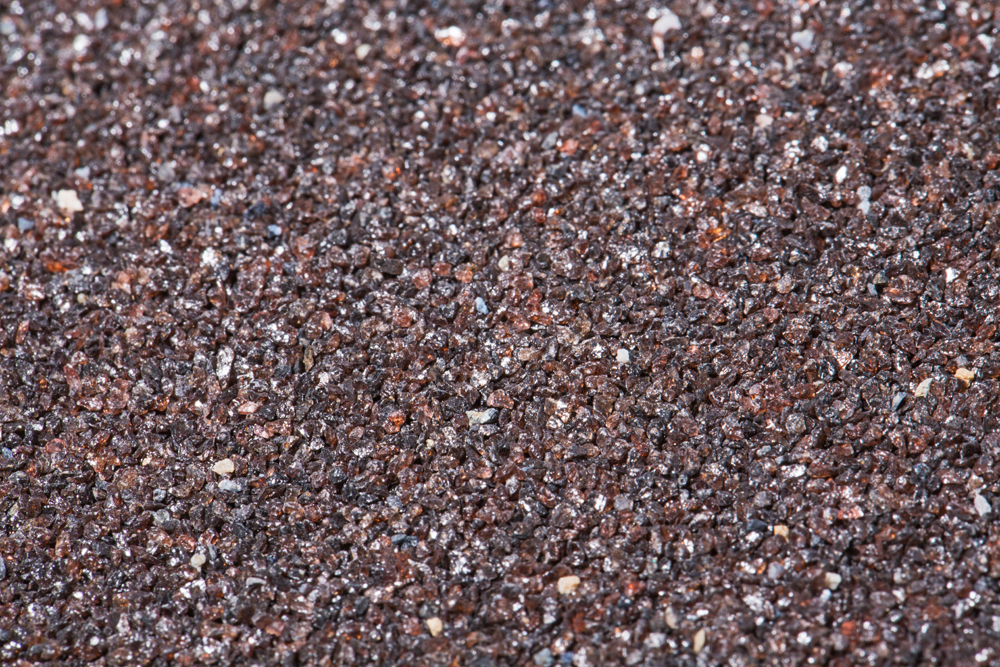
A visual check is weak on its own, but it catches problems no certificate mentions. Spread a thin layer on a clean white surface in good light and look for four things:
- Colour and uniformity. The shade should be even; patches of pale or grey grains suggest blending of different grades or lots.
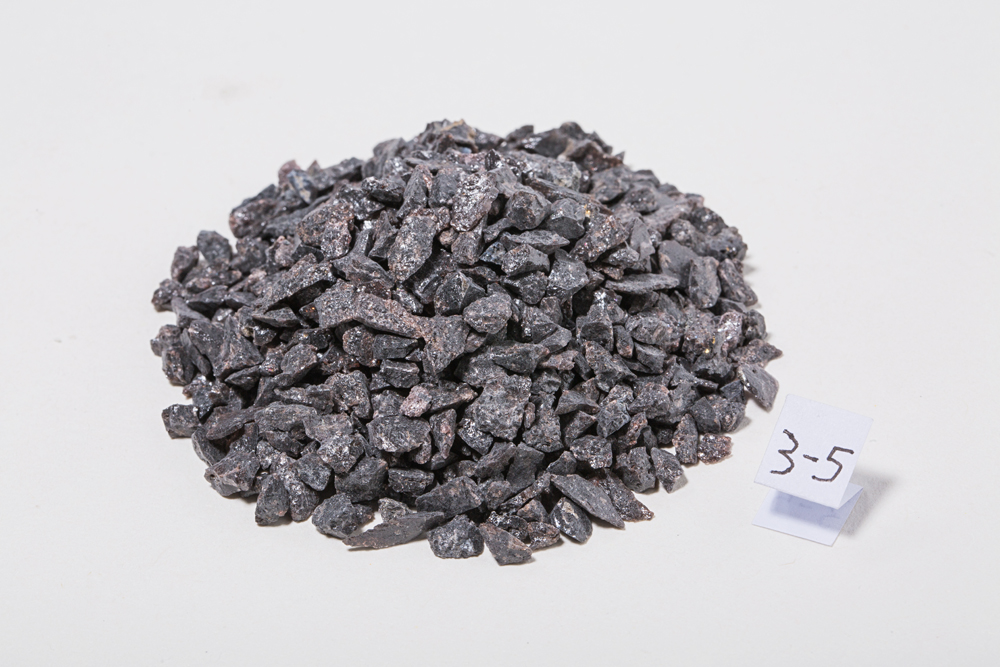
- Grain shape. Grains should look angular and roughly uniform for the grit ordered; many rounded, needle-like, or broken grains change how the material cuts, blasts, or bonds.
- Fines and dust. A heavy cloud of dust, or many particles much finer than the nominal grit, points to a wide size distribution — confirm it with a sieve check.
- Moisture and clumping. The grains should flow freely; dampness, clumps, or a musty smell mean bad storage or wet packing — dry it and re-check.
None of this is a pass or fail by itself; it tells you where to look harder next.
Third: Check the Size Distribution Against the Specification
Nominal grit size is a promise about distribution, not about a single grain. Two samples both labelled F46 can behave differently if one holds a tight distribution around the nominal size and the other spreads widely above and below it.
Run a sieve analysis — in-house, or through a local test lab — and compare the result with the FEPA F grit distribution for that grit on the supplier's specification sheet. Does the bulk sit where the specification says it should, and are the oversize and undersize fractions inside the limits? A sample that passes its nominal grit but fails its distribution will cut, blast, or pack unevenly in a bonded wheel.
Fine grits deserve a calm reading. Grades in the F150–F320 range typically run around 93% alumina content — normal for those sizes, a property of how fine grain is produced, not a quality failure. Judge the sample against the specification sheet for its own grit, not against the alumina content of a coarse grade. For F46, the top grade lists alumina at 95.00–97.50% — compare against that number, for that grade and that grit.
Fourth: Test the Property Your Process Depends On
A sample passes or fails in the property your process actually uses, which differs by application. Test the one that matters to you:
- For bonded wheels and cutting discs, toughness matters most. A friability test shows how the grain breaks under load, and our guide to how to test friability of brown fused alumina grit explains the method. A grain that shatters too easily wears the wheel out early; one that never breaks will glaze.
- For sandblasting, grain shape and hardness decide the result: angular grains cut, and a consistent size keeps the surface profile even across the job.
- For refractory use, chemistry and size fractions matter more than shape — check alumina content and the segment-size split against the specification for your castable or ramming mix.
One focused test, done properly and compared with the specification, beats a full page of uncompared numbers.
Fifth: Run It in Your Own Process, on a Small Scale
Bench checks confirm the material; only a real trial confirms the fit. Run the sample through your own process — one wheel, one blasting pass, one small castable batch — with everything else unchanged: same settings, same bond or mix, same operator. Change one thing at a time — change the supplier and the settings together, and the result cannot be attributed.
Watch for what bench checks cannot show: wheel wear over a full run, an even blasted profile, a castable that flows and sets. And keep a sealed, labelled reference sample from the same lot, stored dry, so a production lot that behaves differently can be compared against the original.
The Mistakes That Waste a Good Sample
Four mistakes account for most wasted evaluations. Testing a sample from a different grade or grit than the one you intend to order. Judging a fine grit against a coarse grade's alumina content, instead of against its own specification. Accepting a sample with no batch report or lot identity, so a good result cannot be repeated. And skipping the trial run: a sample that passes every bench check can still fail in your process.
A Short Checklist Before You Order
- Sample identity matches the grade and grit you intend to buy, with lot marking.
- Specification sheet and batch test report read against the specification.
- Visual check done: colour, shape, dust, moisture.
- Sieve distribution compared with the FEPA F grit limits for that grit.
- The one property your process depends on tested and compared.
- A small trial run in your own process.
- A sealed reference sample retained, labelled and stored dry.
A sample evaluated this way gives you a written baseline. When the first production lot arrives, test it against the same specification and the same retained sample — and you know, before it touches production, whether it is the material you qualified.
Luoyang Naibao New Materials Co., Ltd. supplies brown fused alumina across the F grit series, including grades for sandblasting. If you are evaluating a sample, send your grade, grit, quantity, packing, and destination port, and we can compare the specification sheet and batch test report against your requirements first.