TECHNICAL GUIDE / 2026-10-02
Short answer. Segregation can occur when differently sized refractory grains move through bags, hoppers and transfer points. Keep fractions and lots identified, minimize uncontrolled handling, sample at points that represent the material entering the mixer, and verify the final blend against the formulation's grading requirement. A correct supplier bag label does not prove that the batched mix remains uniform.
Distinguish a fraction from a blended system
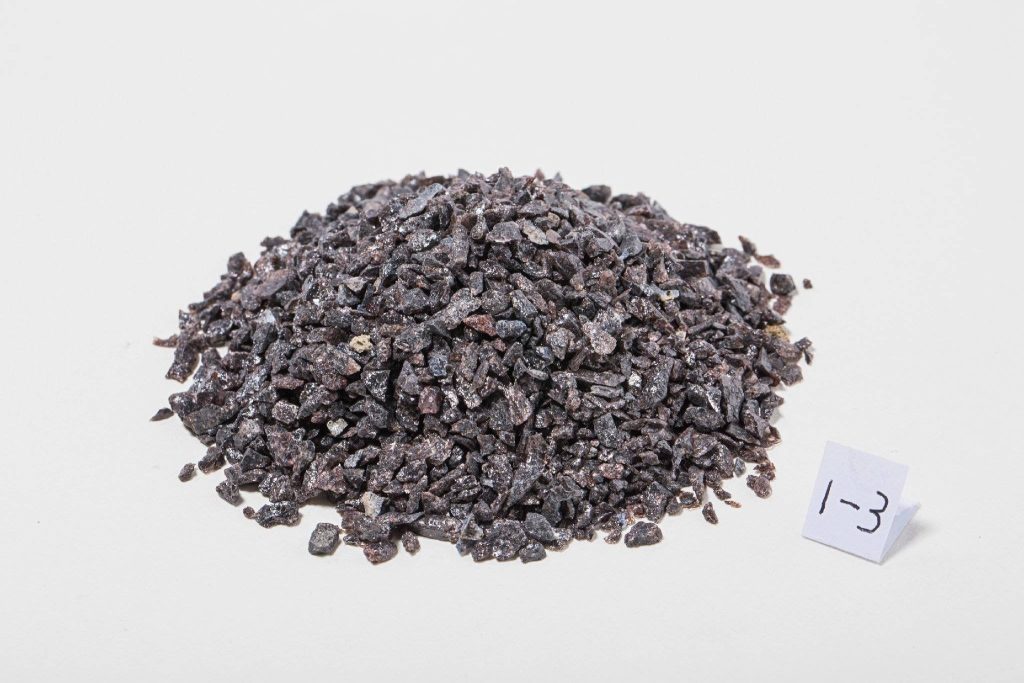
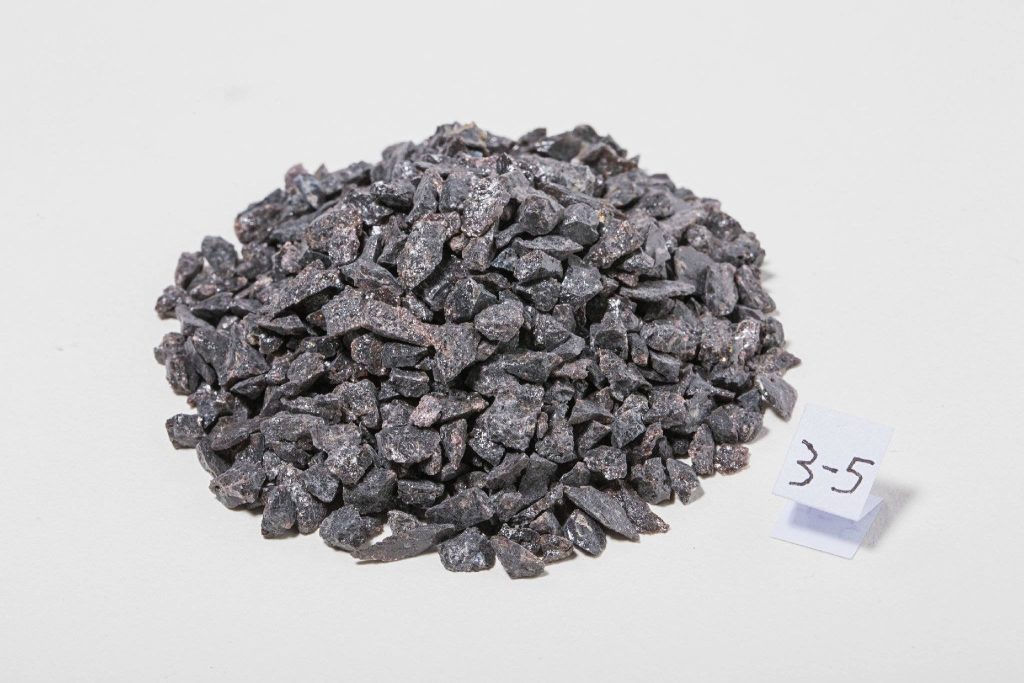
Refractory castables and brick formulations may combine several aggregate fractions. Each supplied brown fused alumina fraction can meet its own sieve limit while the combined batch varies if material separates during transport or transfer. Start with the approved recipe and identify whether the supplier delivers separate fractions or a premixed blend. The controls for sealed 1–3 mm bags differ from those for a large blended bulk container. Write down the intended mass of each fraction and the cumulative distribution that the mixer should receive.
Do not assume the nominal size label fully describes a material. The product's actual sieve curve and tolerances matter to packing and matrix design. A 1–3 mm fraction may contain an allowed spread within that designation. When a fine powder is part of the mix, handle it as a distinct component; a small amount of misplaced fines can change sampling and workability. Keep the raw-material PDS, purchase limits and batch result separate from the plant's blended-material acceptance rule.
Watch transfer points
Vibration, long drops, repeated filling and discharge can cause different sized grains to move differently. Inspect where bags are emptied, hoppers are filled and conveyors deliver into the mixer. The point most convenient for a laboratory scoop may not represent the material actually entering production. If a pile forms during unloading, material taken from its surface or one edge can give a biased impression of the lot. Use the site's sampling plan to cover positions and times that reflect the entire transfer.
Keep transfer equipment clean between grades and lots. A residue of fine powder in a hopper can alter a coarse fraction, while coarse carryover into fines can cause defects in a formulation. Document cleaning and first-off checks. Where material is moved in reusable bins, retain the bin ID and previous contents as part of the batch record. Good housekeeping supports both segregation control and traceability; the two problems are often discovered together.
Design a realistic sampling plan
Sample the supplied fraction at receipt according to the purchase rule, then sample the batched stream if the plant needs evidence that transfer and blending preserve grading. These are different questions. A retained receipt sample can show what the supplier delivered; a mixer-feed sample can show what production used. Label both with location and time. Combine increments only when the sampling procedure calls for a composite, and keep individual increments if localized variation is important.
Use the agreed sieve or particle-size method and compare like with like. A damp or poorly divided sample may not represent a dry bulk stream. Record sample mass, splitter or reduction method and test equipment condition. If the combined grading misses target, review the weighing and feed system before rejecting an incoming fraction that passed its own acceptance test. The supplier and plant may each have a valid result for different stages of the process.
Maintain control through mixing and installation
The batch instruction should specify order of addition, mixing time, water or binder sequence and the point at which a mix is released. A premixed aggregate may separate again during discharge into a transport bucket or form. If the material is bagged after blending, inspect early, middle and late bags under the process plan. A single top-of-bin sample is not enough to prove consistency across a production run.
Connect any change in flow, water demand or fired property to the actual batched material. Keep bag counts, fraction weights and lot IDs with the mix and test specimens. If segregation is suspected, isolate the affected batch and check grading before adding more fines or water to correct appearance. An operator adjustment may restore immediate workability while hiding an out-of-specification blend. A controlled disposition protects both technical interpretation and repeat orders.
Selection guidance
For an inquiry, identify the needed individual fractions, acceptable sieve curves, packaging and whether CHAOYAN is asked to supply separate bags or a blend. Request PDS and batch information for the exact refractory products. The grain-blending guide discusses the target curve; the brick-grain distribution guide explains inspection of a fraction. The buyer should define where the delivered-material responsibility ends and where its own transfer and batching controls begin. This prevents a handling problem from becoming an unsupported claim about raw-grain quality.
Common mistakes
- Testing only a pile surface and treating it as representative of every bag.
- Confusing supplier fraction compliance with plant blend compliance.
- Mixing fine and coarse lots before their identities are recorded.
- Adding water to mask a segregation-driven workability change.
Related technical guidance
Frequently asked questions
Can a supplied fraction pass inspection while the castable batch fails grading?
Yes. Weighing, transfer or mixing may change the combined distribution. Keep receipt and mixer-feed samples to locate the stage where variation entered.
Is a premixed aggregate safe from later segregation?
No automatic assumption is justified. Evaluate transport, bagging, discharge and sampling under the actual handling route.