TECHNICAL GUIDE / 2026-10-02
Short answer. 200F and 320F are different refractory fine powder product records. Choose by the formulation's particle size requirement, chemistry, method and finished material trial; do not infer interchangeability or a guaranteed result from the designation alone.
Clarify what the powder does in the formulation
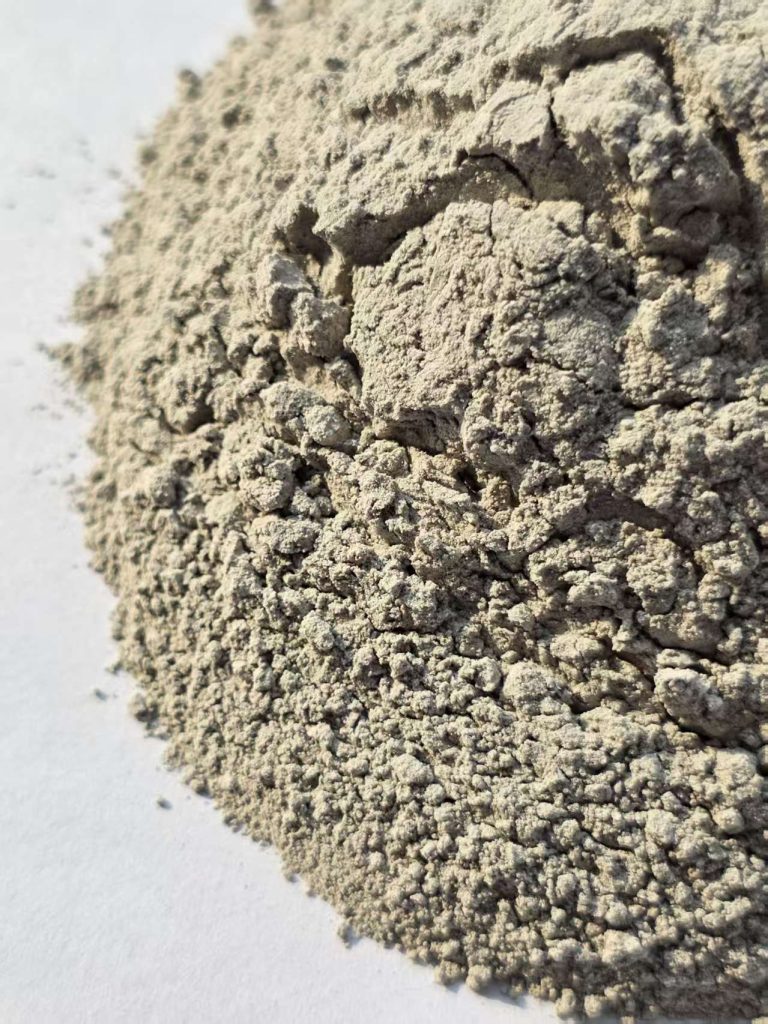
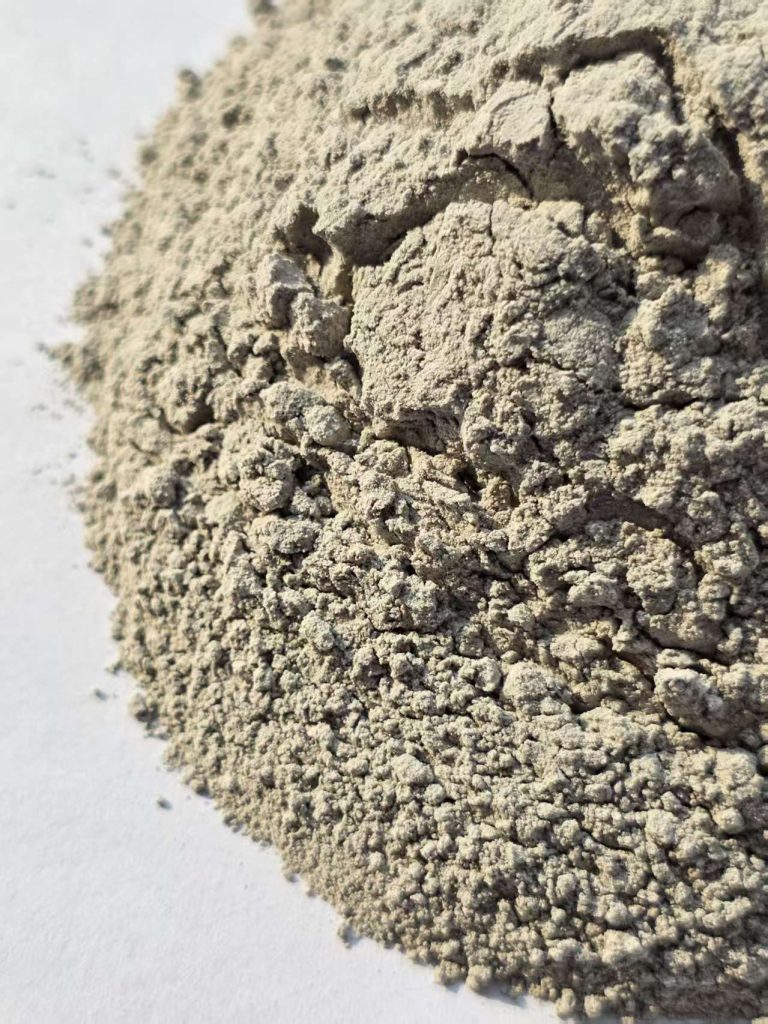
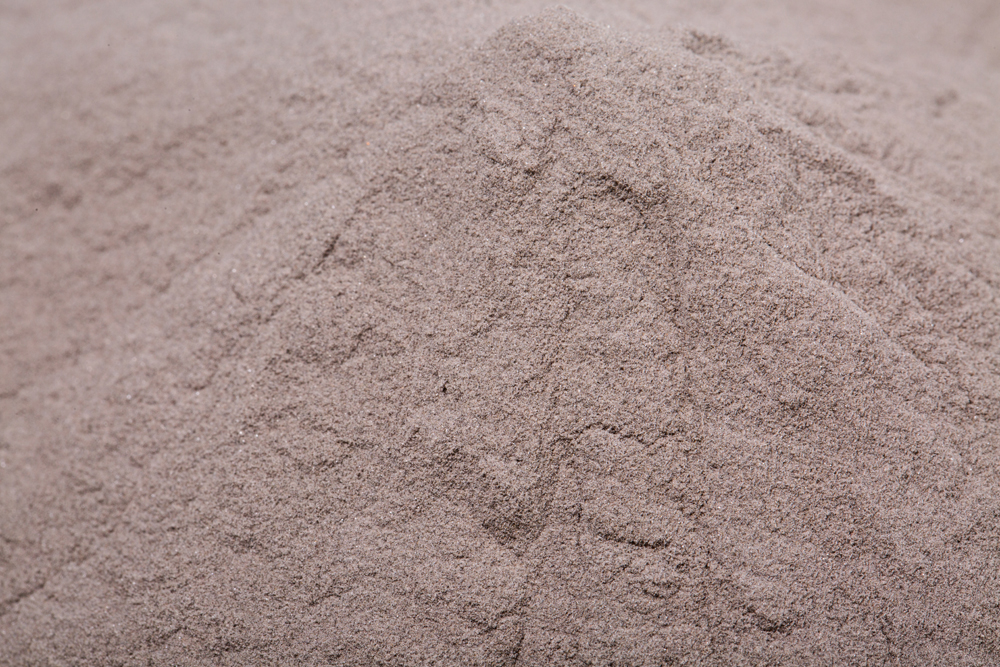
A refractory buyer may see both 200F and 320F fine powder in the CHAOYAN catalog. The decision should begin with the castable, brick or other formulation where the powder will be used. Is the powder filling a matrix role, contributing to packing, or replacing an existing material? State the current recipe, powder designation, quantity and target property. A finer-sounding code alone cannot establish how a blend will place, cure or perform in service.
Keep standard mesh-to-zero powders and refractory 200F or 320F products separate in the purchasing discussion. Similar-looking numbers can refer to different catalog forms or test requirements. Ask for the exact English product page and PDS for each candidate. If the buyer has a working sample, identify its measured distribution and chemistry before assuming one of the catalog labels matches it.
| Question | 200F review | 320F review |
|---|---|---|
| Identity | Exact refractory 200F record | Exact refractory 320F record |
| Role | Current formulation line | Proposed formulation line |
| Method | Agreed powder test | Same or reconciled test method |
Set the measurable powder limits
The purchase sheet should name particle size distribution or retained fraction limits, test method, chemistry and any physical property relevant to the formulation. Public pages may not show every numeric limit for refractory powders. Request the current technical sheet and batch result rather than filling blank cells from another powder or abrasive model. Ask how the supplier samples a powder lot, since a small container sample must represent the delivered material if it will be used for acceptance.
Include handling and packing requirements that affect the buyer's process. State bag or bulk format, labeling, delivery unit and any agreed condition checks at receipt. These are not substitutes for the technical limits, but they help ensure that a correctly specified powder reaches the right production line. If a mixed shipment contains several powder codes, keep their packages and lot records distinguishable.
| Specification element | Buyer and supplier should agree |
|---|---|
| Distribution | Accepted range and method |
| Chemistry | Order limits and batch report |
| Sampling | Lot definition and retained sample |
| Packing | Unit, label and handling requirements |
Trial each powder in the intended mixture
Run a controlled formulation trial with 200F and 320F as separately labeled candidates. Hold aggregate fractions, binder, mixing method, liquid addition and curing or firing route stable where possible. Record placement or forming behavior and the finished properties that the buyer actually needs. If the recipe must be adjusted for one powder, document that as a distinct trial; the result then describes a revised system rather than the powder alone.
A raw powder can pass its agreed material specification while the final product misses an application target. Conversely, a trial failure may reflect the binder or processing route. Keep powder lot, recipe revision and finished test record linked so the technical team can investigate. Avoid treating one laboratory mix as proof of repeatability across every production condition or service environment.
| Evidence | Use |
|---|---|
| Powder batch result | Confirms supplied material |
| Mixing and forming record | Shows process behavior |
| Finished material test | Checks application target |
| Repeat run | Tests consistency of accepted route |
Record the accepted powder as its own line item
After a candidate passes, write the complete refractory powder designation, distribution, chemistry, packing and batch documentation into the order sheet. Do not leave the purchase order as 'fine powder' if production approved a specific 200F or 320F material. Receiving, warehouse and mixing staff should see the same code and revision. Retain the accepted sample and trial record for comparison with later lots.
Send CHAOYAN the formulation role, current powder, target limits, required sample quantity and repeat demand. Ask for the matching 200F and 320F PDS files and clarify which values are published references versus guarantees to be agreed. The supplier can support the raw material comparison; the refractory producer owns the final formulation approval.
Selection guidance
Treat 200F and 320F as separate products. Request both exact PDS files, agree powder test methods and trial each candidate in the intended formulation before changing the purchase code.
Common mistakes
- Equating a refractory powder designation with a standard mesh-to-zero product.
- Using a bare number without the full product identity.
- Copying missing numeric values from a neighboring powder sheet.
- Attributing a changed finished result to powder size while the recipe also changed.
Frequently asked questions
Can 320F replace 200F in an approved castable?
A different powder requires review of material limits and a controlled formulation trial. The designation alone does not approve a substitution.
Why can a powder PDS have fewer public numbers than an F grit sheet?
The published records differ by product. Request the agreed technical specification and batch test result for the exact refractory powder order.