TECHNICAL GUIDE / 2026-10-02
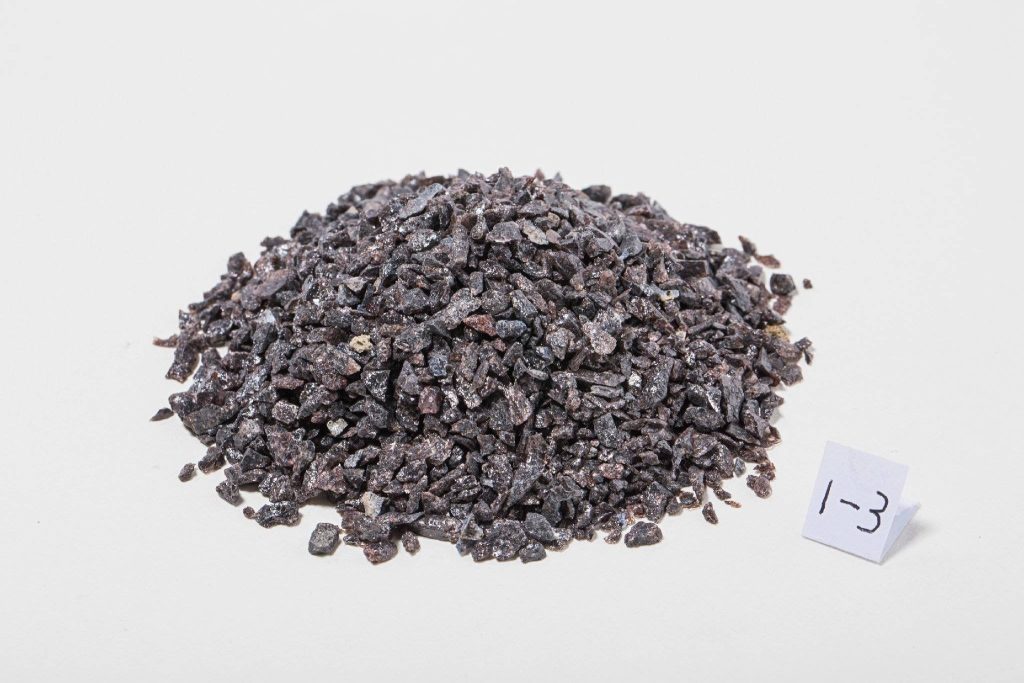
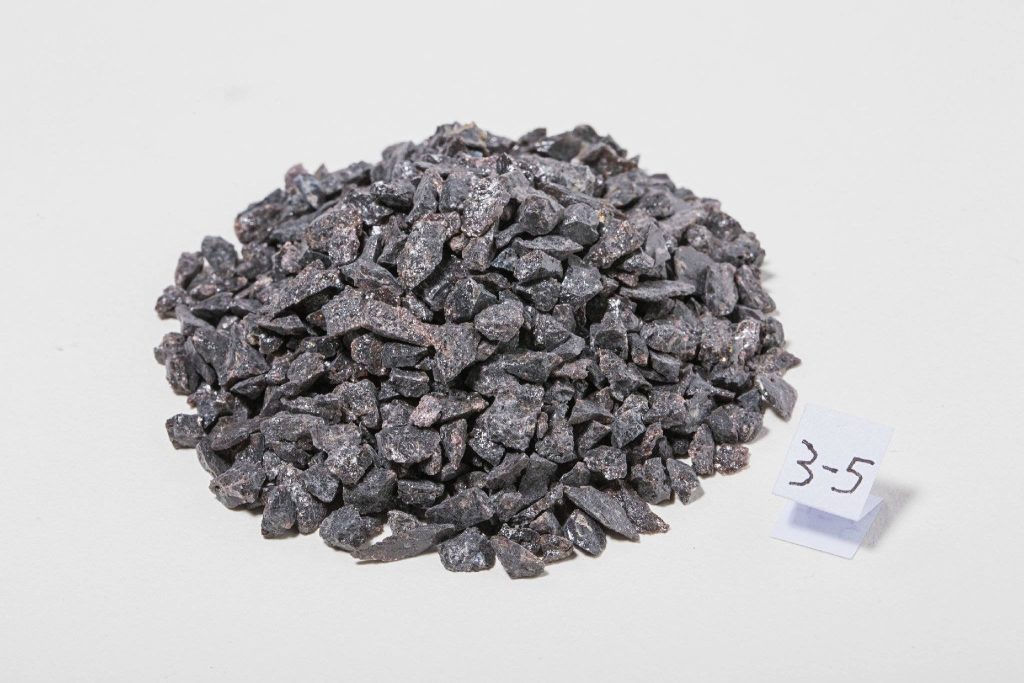
Short answer. 1–3 mm and 3–5 mm are distinct refractory grain fractions. Choose the fraction or combination specified by the castable or brick formulation, then agree its distribution and chemistry and validate the finished mixture. Neither fraction is a drop-in substitute for the other by label alone.
Find the fraction's place in the recipe
A request to change from 1–3 mm to 3–5 mm brown fused alumina is a formulation question. The two fractions occupy different nominal size ranges, so the change may affect how the aggregate blend is constructed. Begin with the recipe and identify the line item being replaced, the other grain fractions and the fine material already present. State the reason for change, whether it is availability, placing behavior, finished properties or a new product design.
CHAOYAN has separate product records and PDS files for both fractions. Use those exact documents to identify the supplied form. Do not treat the product name as a complete grading curve; each order needs accepted limits and a test method. If the formulation uses both fractions, show them as separate lines with an agreed ratio rather than one combined '1–5 mm' code unless a premix has its own specification.
| Formulation question | 1–3 mm | 3–5 mm |
|---|---|---|
| Role | Which recipe line uses it? | Which recipe line uses it? |
| Document | Exact grain PDS | Exact grain PDS |
| Order limit | Agreed grading and chemistry | Agreed grading and chemistry |
Compare actual grading and material values
Nominal bounds are the first identification step. The accepted distribution should also say how material outside those bounds is measured and limited under a named method. Ask for a representative sample and batch result for each candidate. Chemistry or physical requirements may differ by order and should be stated in the agreed sheet; do not copy a numeric value from an abrasive F model or assume that the larger fraction inherits the smaller fraction's test result.
Where the buyer already has a reliable sample, compare the proposed grain against it under the same sampling and testing method. Keep the samples in sealed, labeled containers with lot IDs. A difference seen after opening a bag may come from sampling, handling or the product itself; records make that distinction easier to investigate. If a custom intermediate fraction is proposed, obtain a separate feasibility and specification response.
| Check | Why it matters |
|---|---|
| Nominal fraction | Identifies the product |
| Distribution method | Makes results comparable |
| Chemistry and physical limits | Defines material acceptance |
| Sample and lot ID | Allows a repeat test |
Trial the mixture, not just the grain
Make a controlled castable or brick trial with the new fraction while holding the rest of the formulation and process stable where possible. Record how the aggregate combines with the other fractions, how the mix places or forms, and the finished properties required by the intended use. If a recipe ratio must change, label the result as a new formulation. This is the only honest way to interpret a change that alters both material and blend.
Repeat the promising trial under representative production conditions before approving repeat supply. Keep raw grain lots and recipe revision linked to the finished test. A passing grain batch report establishes that the supplier delivered the agreed fraction; it does not establish that every castable or brick made with it will meet a particular service condition. The buyer's finished-material test controls that decision.
| Trial layer | Pass question |
|---|---|
| Incoming grain | Does each fraction meet its own sheet? |
| Formulation | Does the mix process as intended? |
| Finished refractory | Does it meet the buyer's test method? |
Prevent an accidental substitution in purchasing
If both fractions are approved, create or maintain distinct item codes, labels and receiving checks. Put complete fraction names, accepted distributions, chemistry, packing and batch report requirements into the purchase order. A warehouse substitution based on the shared words 'brown fused alumina' could change the recipe without a technical review. If only one fraction is approved for a product, mark the other as a trial candidate, not a routine alternative.
Send CHAOYAN the existing recipe fraction, proposed change, target specification, application, sample need and expected annual quantity. Request both matching English PDS files. The supplier can help identify available grain and documentation; the refractory producer decides the accepted blend and finished product limits through its own controlled trial.
Selection guidance
Use 1–3 mm and 3–5 mm as distinct order lines. Confirm each grading method and trial the proposed fraction within the complete refractory formulation before approving a substitution.
Common mistakes
- Treating nominal size labels as full grading specifications.
- Replacing one fraction without revisiting the aggregate blend.
- Using one bag label or item code for both approved fractions.
- Attributing a finished test result to grain alone when the recipe ratio also changed.
Frequently asked questions
Can the two fractions be ordered together?
Yes, if each fraction, quantity, packing and technical limit is separately identified or a premix is explicitly specified.
Does 3–5 mm have the same chemistry as 1–3 mm?
Do not assume so from the names. Check the exact product documents and agree the order limits for each supplied fraction.