TECHNICAL GUIDE / 2026-10-02
Short answer. Thermal cycling performance belongs to a refractory body under defined service conditions. Confirm the brown fused alumina aggregate identity and grading, then test the complete castable or brick formulation with a cycle program relevant to the intended duty. A raw aggregate PDS cannot promise thermal-shock life or a fixed number of cycles.
Translate service into a test question
Refractory linings can be heated, cooled and exposed to mechanical or chemical loads in very different ways. A statement that material has good thermal shock resistance is not a usable purchase limit. The formulator should describe the expected temperature range, heating and cooling route, cycle frequency, atmosphere and the failure mode that matters. Those conditions guide a laboratory or pilot test. A cycle method copied from an unrelated furnace may rank materials in a way that does not reflect the actual installation.
Keep the service question separate from the supplied aggregate specification. Brown fused alumina grain may meet its chemistry and grading limits while the complete refractory still cracks because of matrix, binder, installation or drying conditions. Conversely, a failed specimen does not automatically prove an aggregate lot defect. The qualification plan should be written before the candidate material is tested so results are not judged against a changing target.
Identify the aggregate change precisely
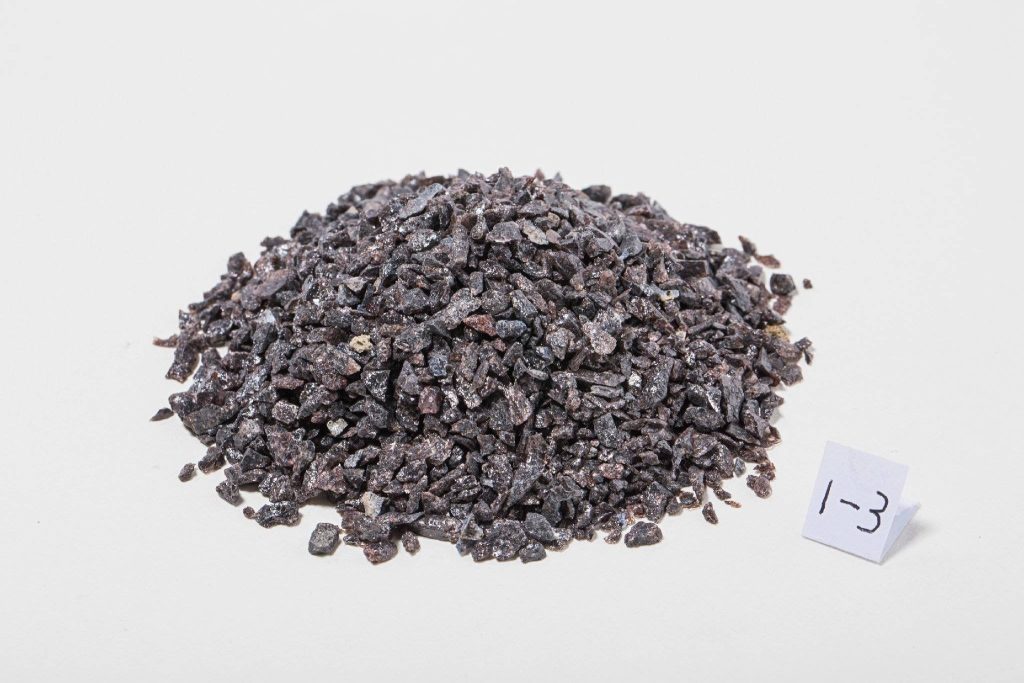
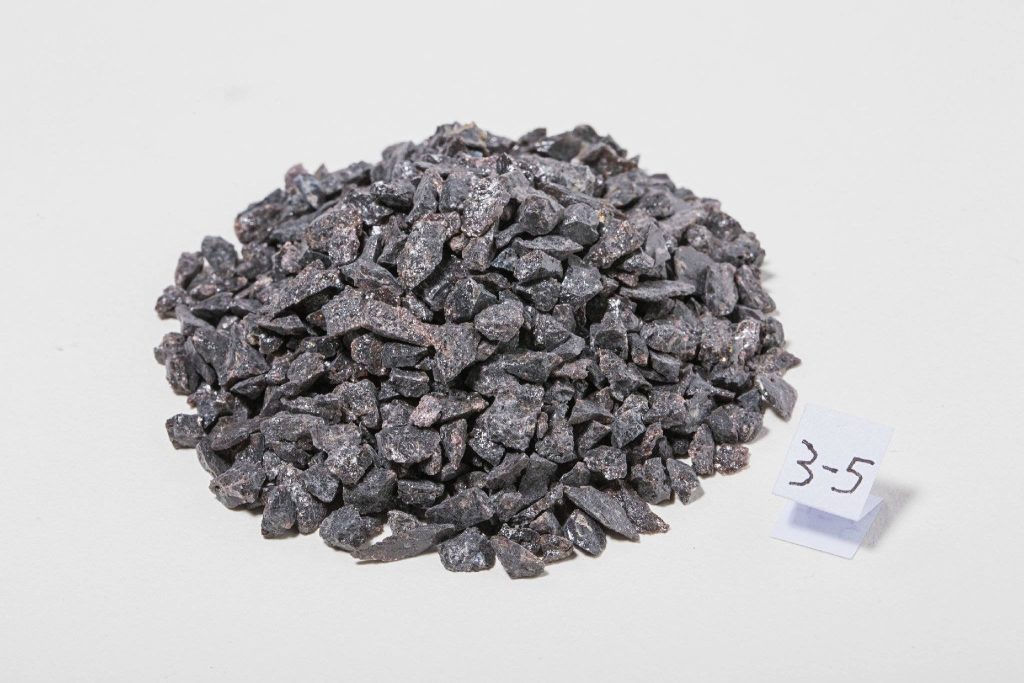
Record the product family, size fraction, supplier lot, sieve distribution and relevant chemical limits. A 1–3 mm fraction should not be treated as equivalent to a 3–5 mm fraction or to an F abrasive grit merely because all are brown fused alumina. If the substitution changes the combined aggregate curve, note that the trial is partly a grading experiment. Keep the approved working material and its records as a control.
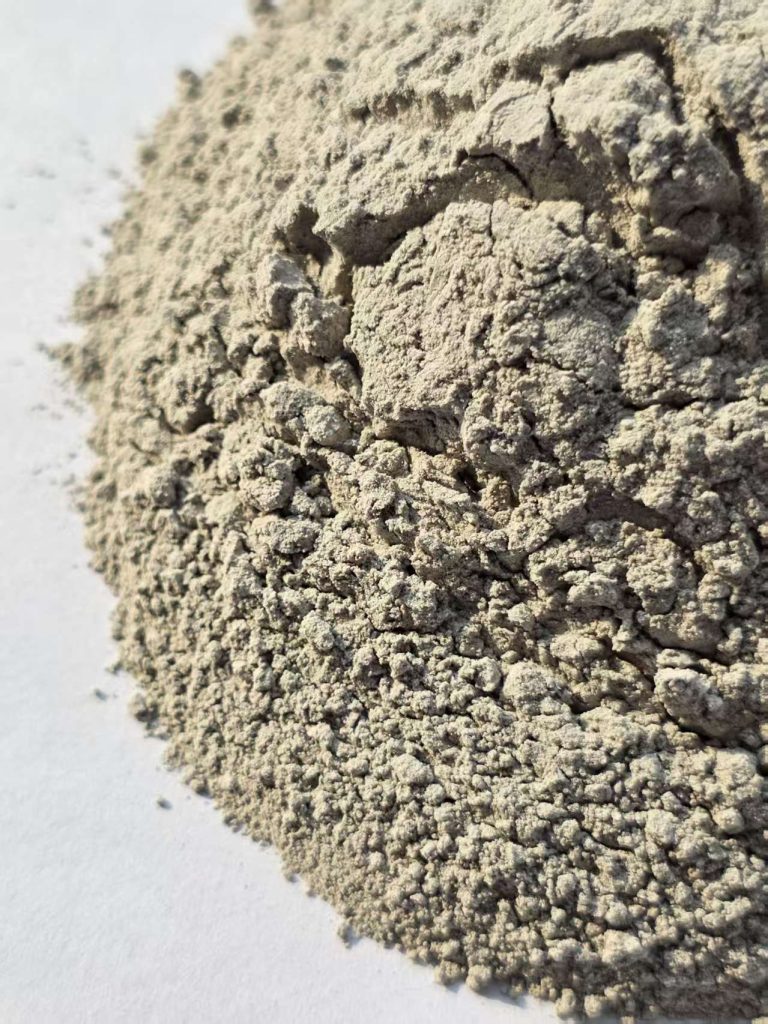
Check whether particle shape or fine-powder content also changes. Those factors may influence packing, water demand and interfaces after firing. When possible, vary one material factor at a time. If commercial constraints require several changes together, the final result may qualify a new formulation, but it will not isolate the effect of the brown fused alumina aggregate alone. Label the trial honestly to avoid overclaiming causation.
Prepare comparable specimens
Use the same approved mixing, casting or pressing route, curing and drying schedule for control and candidate specimens. Record water addition, density, dimensions and any visible defects before cycling. A specimen with a drying crack is a poor basis for ranking aggregate candidates. Prepare enough repeats and representative geometries to see variability, not a single best sample. The plant or laboratory should define acceptance and safety procedures for heating tests.
Document placement in the test furnace or rig, the actual temperature history and the cooling condition. A nominal cycle count is incomplete if one group experienced a different ramp or soak. Record any interruption or maintenance event. Where service includes slag or other attack, decide whether the cycling test should include that exposure or be paired with a separate chemical-resistance test. Do not combine several uncontrolled stresses and then assign the result to one raw-material number.
Evaluate the result beyond cycle count
Look for the failure mode named in the plan: crack initiation, spalling, loss of strength, dimensional change or another defined property. Record the condition after planned intervals rather than only the cycle at which a specimen failed. A formulation may retain shape but lose a property that matters to service. Examine the control and candidate by the same method, with the assessor blind to material identity if practical. Preserve photographs and measurement records alongside batch and specimen IDs.
If the candidate performs differently, review formulation, installation water, density and firing as well as aggregate data. Run a targeted follow-up to test the most plausible cause. Do not use a favorable laboratory result as a service-life percentage claim without field evidence. The purpose of screening is to decide whether a formulation deserves further qualification under the user's process and risk criteria.
Selection guidance
Give CHAOYAN the required grain fractions, chemical limits, working sample and intended refractory service. Request exact product PDS and batch information for a controlled substitution. The refractory brick guide covers the broader material role; the particle-distribution guide helps check grading. The formulator should own the thermal cycling method and accept the complete refractory only after both raw-material and formulation tests pass. This division keeps a supplier's verified grain data from being mistaken for an untested lining guarantee.
Common mistakes
- Quoting an unspecified number of thermal cycles as a universal material property.
- Changing aggregate grading and binder while claiming to isolate grain chemistry.
- Comparing specimens with different drying histories or initial cracks.
- Turning a laboratory screening result into a promised field lifetime.
Related technical guidance
Frequently asked questions
Can a brown fused alumina PDS guarantee thermal-shock resistance of a castable?
No. The PDS describes the raw material. The complete formulation, preparation and service-relevant test determine refractory response.
Is the specimen with the most cycles always the best choice?
Not necessarily. Review the defined failure mode, strength, installation behavior and other service constraints before approving a formulation.