TECHNICAL GUIDE / 2026-10-02
Short answer. A castable's water demand comes from the complete formulation and mixing route, not one brown fused alumina grade alone. Compare aggregate and matrix grading, particle shape, binder, admixtures and mixing sequence under a controlled trial. Record flow and installation behavior, then confirm the cured and fired properties required by the formulator before approving a raw-material change.
Start from the approved castable
A refractory castable includes coarse aggregate, intermediate fractions, matrix fines, binder and possibly admixtures. Installation water is adjusted to make that system workable under a defined method. When a supplier proposes a new brown fused alumina fraction, the formulator should first record the current accepted recipe and its normal water, flow and setting ranges. Without a baseline, a trial can mistake ordinary plant variation for a change caused by the aggregate.
Define the service and installation context. A castable that must be pumped, vibrated or placed in a complex form may have a different workability target from a hand-placed repair material. The approved test method and temperature of the mix should be documented. A number for water addition without a mixing time, order and rest period is difficult to compare. Avoid claiming that a higher alumina percentage directly lowers water demand; such a result requires actual formulation evidence.
Separate aggregate from matrix effects
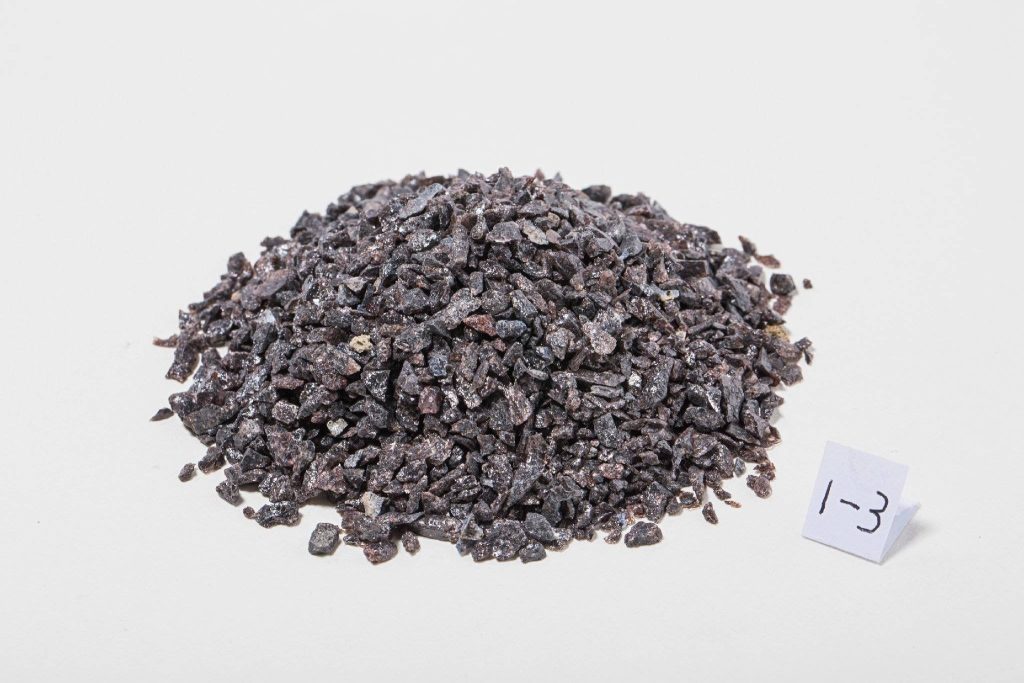
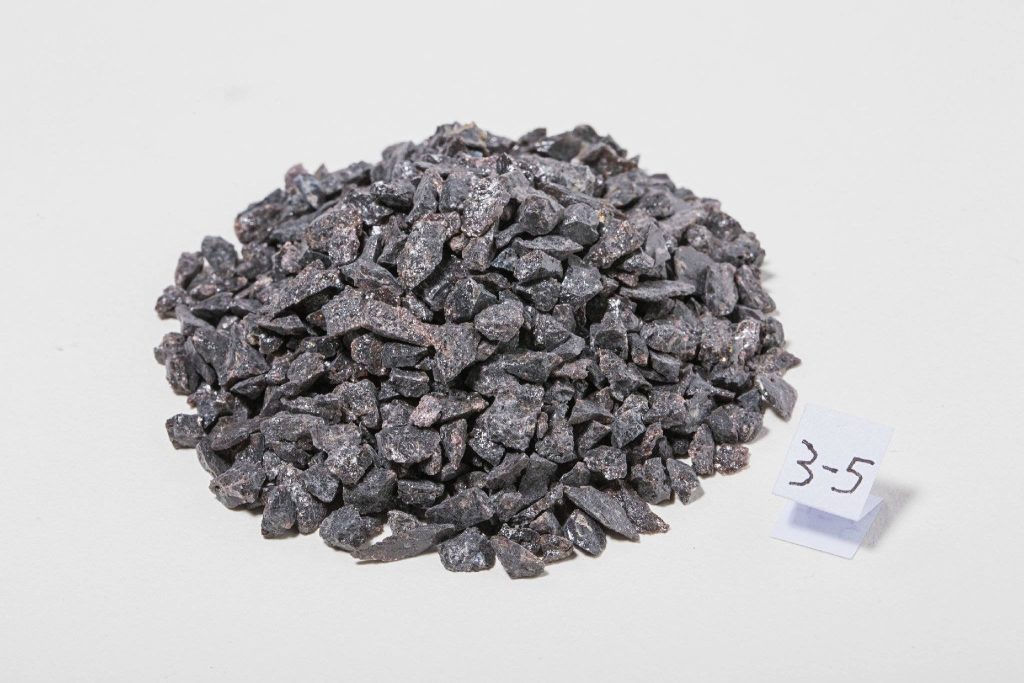
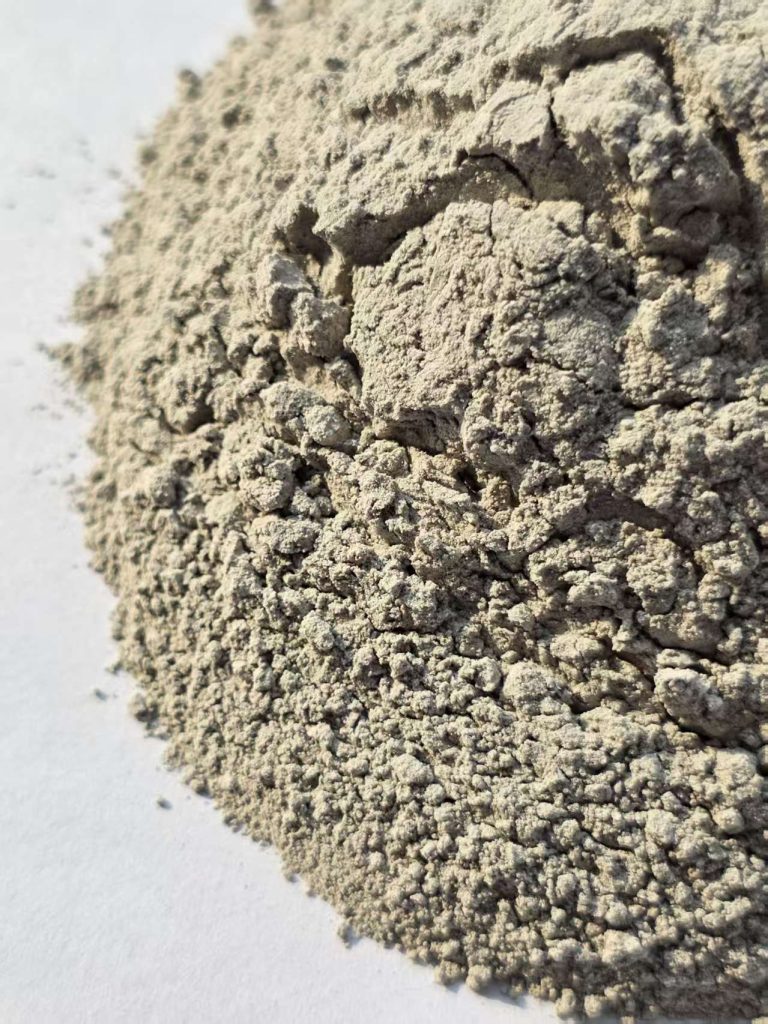
The size distribution and shape of brown fused alumina grains can affect how solid particles pack. A change in a 1–3 mm fraction is not the same experiment as replacing a fine powder. Fines have much more surface to wet and may interact with binder and admixtures in a different way. Compare the supplier's exact particle distribution and lot test with the purchase sheet, then calculate or measure the combined grading of the whole mix rather than looking at one fraction alone.
If two materials have the same nominal size label, they may still differ in their full sieve curve or particle shape. Do not use a micron conversion chart to substitute F abrasive grit for refractory aggregate. Where the formulator suspects a shape effect, keep the chemical and size variables as consistent as possible and compare representative samples. The raw material PDS supports identity and screening; it does not predict a castable's water requirement by itself.
Run a controlled mixing sequence
Record batch mass, ambient and water temperature, dry-mix time, water addition steps, wet-mix time and any hold period. Use the same mixer and sampling method for baseline and candidate where feasible. An operator may add water by feel to make a mix look familiar; that observation is useful, but the added amount and reason must be written down. Otherwise the trial may appear to have equal workability when it actually used a different water content.
Measure flow, workability or installation response by the formulator's approved method and at the relevant times. Check whether the mix segregates, bleeds or stiffens unexpectedly. A single flow reading immediately after mixing may miss a short working window or later instability. Keep the lot identity of each aggregate and fine powder with the trial record so any response can be investigated without guessing which bags were used.
Check after installation and firing
Water-demand decisions cannot end at the mixing bench. The formulator should inspect setting, drying behavior and the cured and fired properties that matter for the intended lining. Higher water to rescue flow may create other effects in the installed material, while a lower-water mix that cannot be placed uniformly may also fail. Use the approved laboratory and pilot scale tests before changing a production recipe. No service-life claim follows from a favorable flow result alone.
Where a mix fails, compare all recorded variables before asking for a new raw-material limit. An out-of-range grain distribution, an admixture change and an altered mixing sequence may produce similar handling symptoms. Repeat a targeted trial with one changed factor to find a defensible cause. Retain relevant aggregate and fine-powder samples and the cured specimens as required by the formulator's quality plan.
Selection guidance
Provide CHAOYAN the fraction sizes, current sieve curves, chemistry limits, matrix fine specification and intended castable process. Request product information for each distinct refractory grain or fine powder, not one generic brown fused alumina label. The grain-blending guide addresses the combined aggregate curve; the 200F-versus-320F guide addresses fine-powder questions. Accept a candidate only after the whole formulation meets installation and fired-performance requirements with a documented water addition and repeatable process.
Common mistakes
- Treating one aggregate PDS value as a direct water-demand prediction.
- Replacing a fine powder and coarse grain at the same time without separate trials.
- Letting operators add unrecorded water to make candidate mixes look equal.
- Approving a mix from flow alone without cured and fired checks.
Related technical guidance
Frequently asked questions
Does a denser brown fused alumina grain automatically reduce castable water demand?
No. The whole grading, shape, fines, binder and mixing method matter. Compare complete formulations under an agreed test.
Can F grit substitute for a refractory millimeter fraction if a conversion table looks close?
No automatic substitution is justified. The designation, size distribution and intended product family differ. Obtain an actual sieve curve and formulation approval.