TECHNICAL GUIDE / 2026-10-28
When Does Barmac-Shaped Grain Pay for Itself?
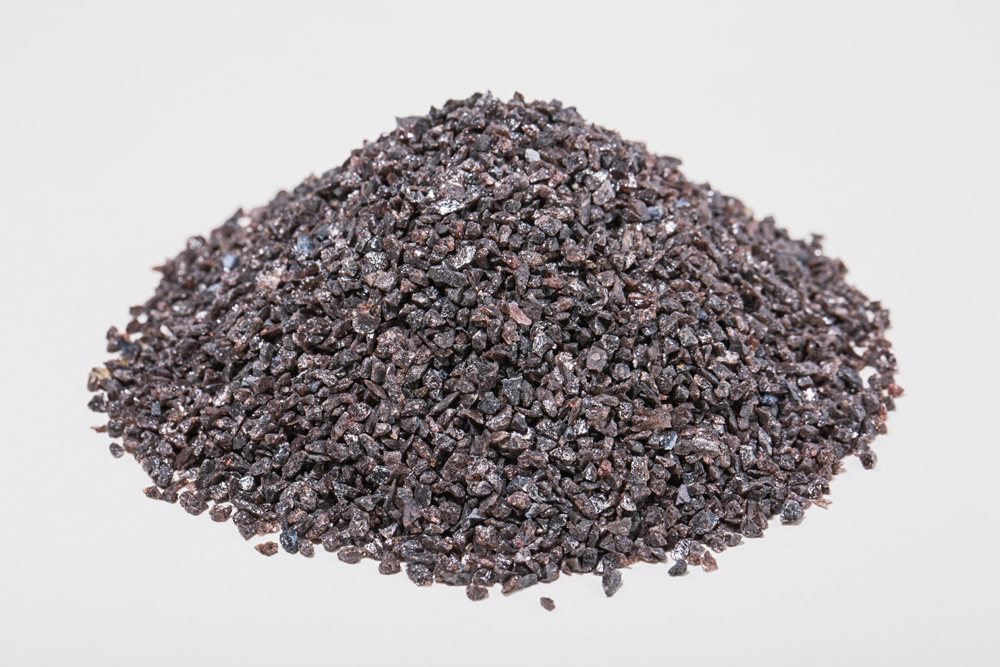
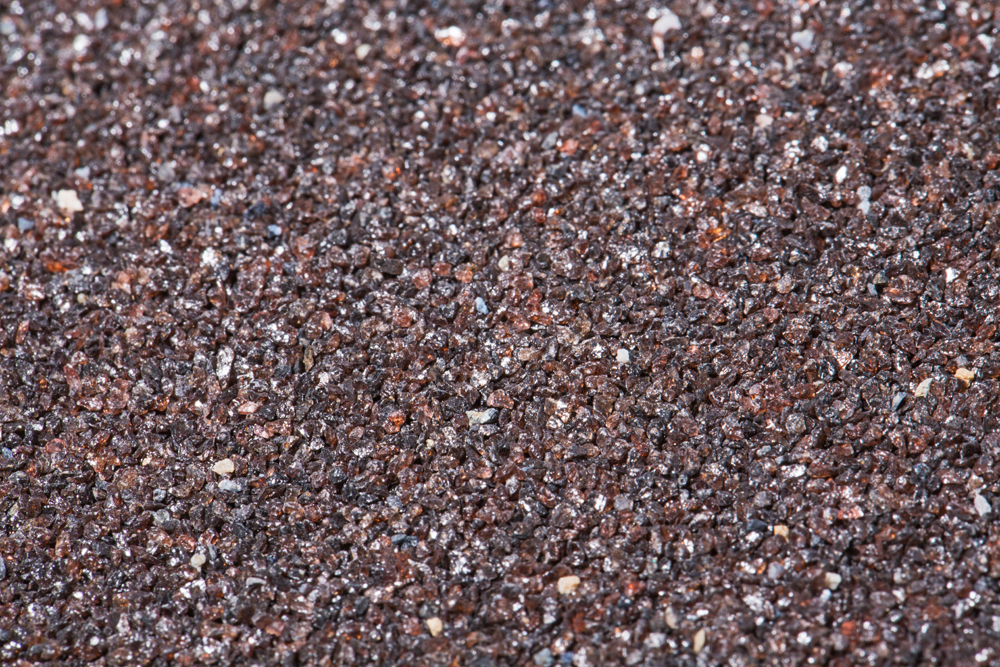
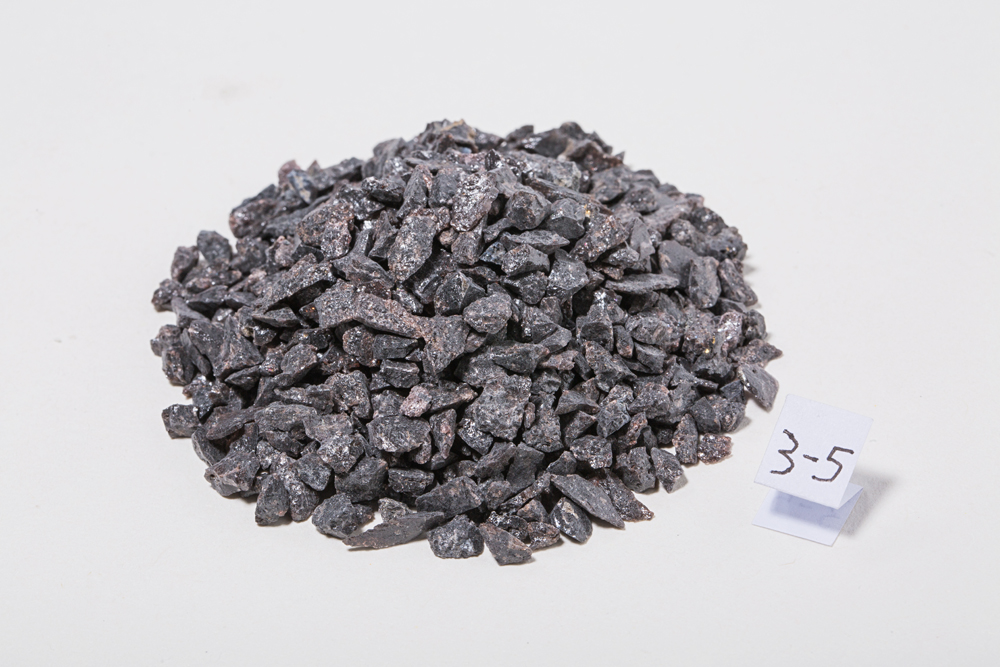
Standard brown fused alumina grain is angular by nature: crushing produces sharp points, thin edges and a wide mix of shapes in the same bag. Barmac-shaped grain starts from the same material, then goes through an extra shaping step that knocks off the weakest points and leaves a more regular, blocky particle. That step costs money, so the question is not whether shaped grain is different — it is — but whether the difference shows up as lower consumption or steadier quality in your process.
What Barmac Shaping Actually Changes
Barmac processing takes its name from the vertical shaft impact crusher used for shaping. Grain is thrown against grain at high speed, so particles break along their weak points instead of being ground down by steel surfaces. The fragile tips and plate-like fragments are the first to go. What remains is a grain with a more cubical, regular outline, fewer needle-like pieces and a shape distribution that is tighter from batch to batch.
Chemistry does not change. An F36 stays F36, and the alumina content of the grade you ordered stays what the specification says. What changes is geometry: how the grain packs, how it flows, how it presents a cutting edge, and how predictably it breaks down in use. Our Barmac-processed F sand is graded to the same FEPA F sizes as standard grain, so the two versions can be compared directly in the same grit size.
That comparability matters: shape is hard to value in the abstract. Its value only appears in a process sensitive to shape.
Where the Premium Usually Pays Back
Closed-circuit blasting with recycling. In a blast room or cabinet where media is recovered, cleaned and reused, shape affects both cutting action and how the media mix evolves over time. Very sharp, fragile points fracture quickly and shift the working mix finer; irregular, plate-like pieces do not flow or impact consistently. A more regular grain tends to hold its working size longer and keep the surface profile steadier across a shift. Judge it by cost per square metre over weeks, not by the price of the first fill.
Bonded wheels that need consistent packing and structure. In a pressed wheel, grain shape influences how the mix fills the mould, how evenly bond bridges form, and how uniform the finished structure is. When a wheel plant is chasing batch-to-batch consistency — the same hardness behaviour, the same balance, the same wear pattern — reducing one source of variation can be worth paying for, especially on larger or higher-value wheels where rejects are expensive.
Coated abrasives and high-throughput lines. Grain shape consistency affects coating uniformity and the finish a belt or disc delivers, and on a line that consumes grain every day, a modest reduction in consumption or rejects multiplies into real money. On a few tonnes a year, the same percentage means little. Shaped grain is a volume argument: the premium is per tonne, but so is the saving.
Where It Usually Does Not
Open blasting with high media loss. If most of your media leaves with the waste stream after one pass — outdoor work, contaminated surfaces, sites with poor recovery — the grain does not stay in the process long enough for shape regularity to repay its cost. Standard blasting grain, correctly sized, is normally the rational purchase. Our standard range for that work sits under brown fused alumina F-grit series and the dedicated blasting grades.
Short runs and problems that are not shape problems. If the job changes daily, the variation you are paying to remove is swamped by set-up changes. And shaped grain will not fix a wrong grit size, a wrong grade, wet storage, or a worn nozzle on a blast line. For a general-purpose disc or a coarse refractory application where shape is not a functional variable, standard grain meets the specification at lower cost.
Judge It on Your Own Numbers
Do not compare shaped and standard grain by price per tonne. Compare them where the money is actually spent:
- Consumption: how much grain does each version use per part, per wheel batch or per square metre blasted?
- Consistency: how much sorting, adjustment or rework does each version cause over a full production run?
- Rejects: does either version hold finish, profile or wheel behaviour more steadily to the end of the run?
- Total cost per good output: grain spend plus the costs above, divided by acceptable output.
If shaped grain wins on that sheet in your plant, it pays for itself. If the sheet is a tie, standard grain is the correct buy — and you will know it from measurement rather than habit.
How to Trial It Fairly
Change one variable only. Order the same grade and grit size in both versions — for example, the same F size as standard grain and as Barmac-shaped grain — and run them through the identical process settings, on the same work, over a full run rather than a handful of test pieces.
Record the figures above as you go. Shape effects are cumulative: the difference in breakdown and working-mix stability only becomes visible after sustained use.
Two trial errors to avoid:
- Changing size or grade at the same time. A coarser or higher-grade grain will change results on its own, and you will not know whether shape or specification did the work.
- Judging by appearance alone. Shaped grain looks rounder and more pleasant in the hand. That is not evidence. Evidence is consumption, consistency and rejects, measured on your line.
How to Specify It When You Buy It
If the trial says yes, write the shaping step into the order itself:
- Name the grade, the FEPA grit size and the Barmac shaping requirement together in the purchase specification, so a standard-grain delivery cannot be substituted silently.
- Keep a retained sample from the qualified lot as your reference for later deliveries.
- Re-check on the first production lot, not just the trial lot, using the same measures from your trial.
Grain that receives shaping or other additional treatment sits within our special processing range, where processing options are matched against your application and a working sample before an order is placed.
The Bottom Line
Barmac-shaped brown fused alumina pays for itself when grain shape is a real variable in your costs: recycled blasting where the working mix must stay stable, bonded and coated production where packing and uniformity drive rejects, and high-volume lines where a small saving repeats daily. It is hard to justify where media is lost after one pass, runs are short, or the problem is size, grade or equipment rather than shape. Decide it with a one-variable trial and a cost-per-good-output sheet, not by the per-tonne gap.
If you are weighing shaped against standard grain, send the grade, grit size, quantity, packing and destination port together with your process — blasting, bonded or coated — and Luoyang Naibao New Materials Co., Ltd., producing brown fused alumina since 1999, will quote against that specification and supply matched samples in both versions for your own trial.