TECHNICAL GUIDE / 2026-11-22
Korea: Supplying Korea's Coated Abrasive Majors — Vendor Registration and Specification Culture
South Korea is one of Asia's largest buyers of artificial corundum, and almost all of it arrives by ship. According to IndexBox, South Korea imported about 95,000 tons in 2024, worth roughly $90 million, making it Asia's second-largest importer after Japan, and consumption stood at about 88,000 tons. Per-capita consumption of 1.7 kg per person is among the highest in Asia. The average import price was about $1,066 per ton in 2024 — a figure that reflects a mix of grades and applications, from coated abrasive grain to refractory segment sand, rather than any single product.
Source: IndexBox, "Asia – Artificial Corundum – Market Analysis" (https://www.indexbox.io/blog/artificial-corundum-asia-market-overview-2024-2/) and "Eastern Asia – Artificial Corundum – Market Analysis" (https://www.indexbox.io/store/eastern-asia-artificial-corundum-market-analysis-forecast-size-trends-and-insights/).
What makes Korea different is not the volume. It is the way the big buyers purchase. Demand is concentrated in a small number of large plants — coated abrasive makers, bonded wheel plants, refractory producers, and the blasting lines of shipyards and steel mills — and those buyers run a formal process. A supplier that understands the process gets in; a supplier that only sends a price list waits outside.
The market in one paragraph
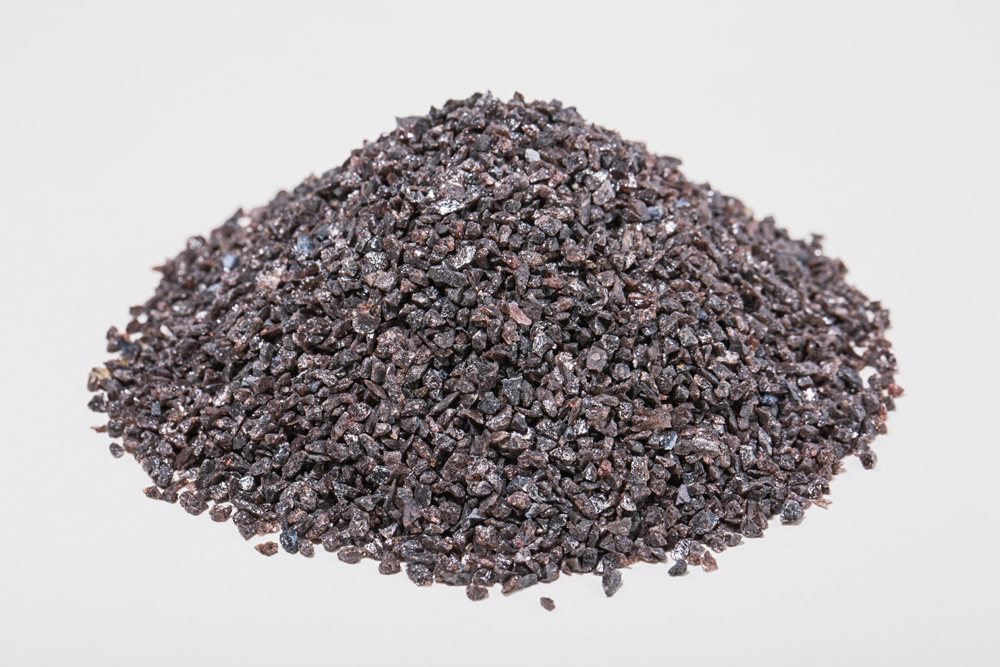
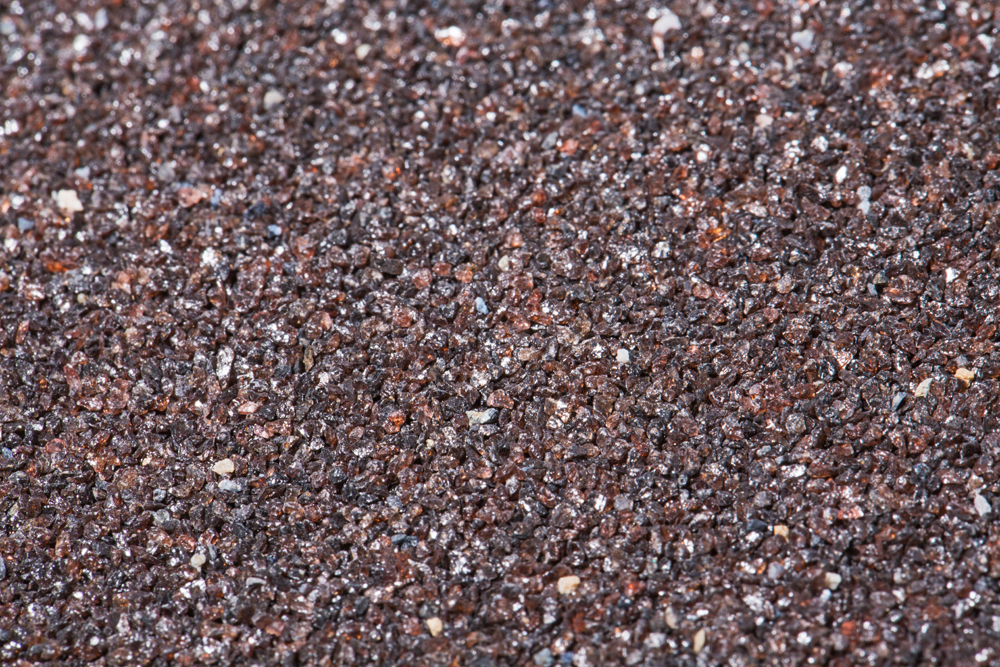
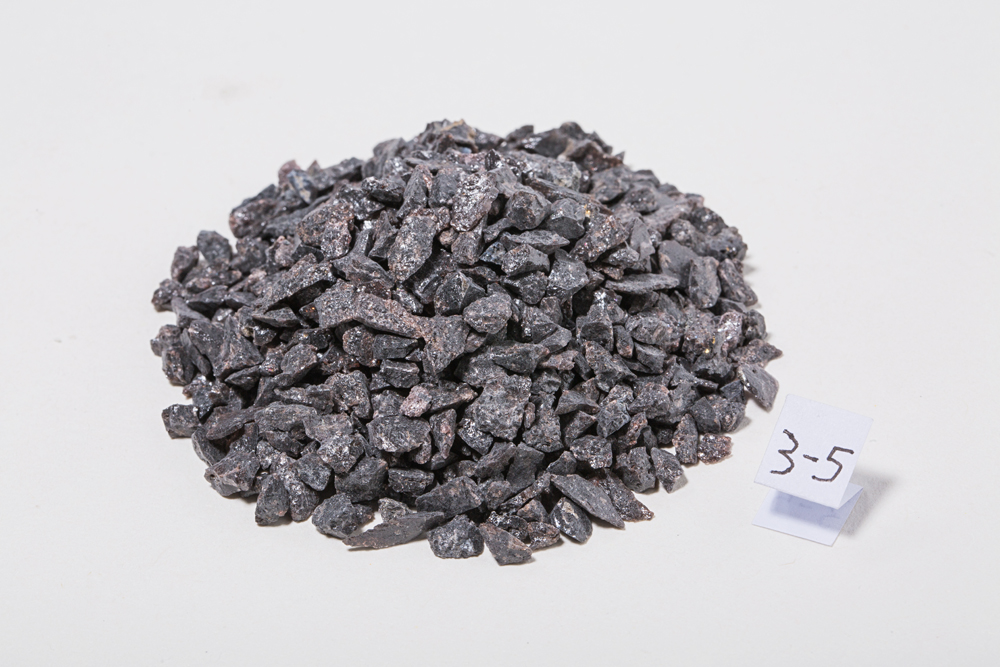
Korean buyers purchase brown fused alumina mainly in three forms. Coated abrasive plants buy P grit for backing paper, cloth and fibre discs, and for sanding belts. Bonded abrasive plants buy F grit for resin and vitrified grinding wheels. Refractory plants buy segment sand by millimetre size — 0–1, 1–3 and 3–5 mm — and fine powder for castables. Blasting lines, above all in shipbuilding, buy F grit in the coarse and medium range for surface preparation before coating. One supplier can serve all four, but each buyer judges the supplier on its own terms: the coated abrasive plant on size consistency, the refractory plant on chemistry and segment grading, the blasting line on cleanliness.
Step one: vendor registration comes before any price talk
In Korea, a large buyer does not start with a quotation. It starts with vendor registration. Before a supplier can receive a request for quotation, it must be entered in the buyer's vendor system — a file that typically holds the company profile, the product range, test reports, and the results of a sample evaluation. Some buyers add a factory visit or a video audit of the production line before the registration is approved. Until that file exists, the buyer simply has no channel through which to buy from you, however good the offer.
The buyer uses registration to answer one question: if we put this supplier on a production line, will the material behave the same way every month? So the registration pack should answer that question directly: a clear company profile stating what the plant actually produces, product data sheets for the grades offered, batch test reports from recent production, and samples from a current lot.
Registration takes time. Expect weeks rather than days, and expect questions back — about lot traceability, about how a specification is verified before shipment, about packing. Treat every question as part of the qualification, not as an obstacle to it.
Step two: the specification PDF is the acceptance document
Once a supplier is registered, the working document is the specification sheet — usually a PDF that the buyer's engineers issue and both sides sign off. It lists the grade and alumina content, the grit designation, the sieve distribution with tolerances, the magnetic content limit, the moisture limit, and the packing. That sheet, not the catalogue, is what incoming inspection checks against.
This has two consequences. First, quote against the specification, not against a grade name. Two buyers can both ask for "F46" and mean slightly different distributions, so the quotation should restate the agreed sieve distribution, chemistry and packing, and confirm them in writing before production. Second, never promise a tolerance the plant cannot hold: a tight distribution quoted to win the order and missed on delivery costs the registration itself. Our guide to writing a grit specification across FEPA, JIS and ANSI explains how to lock the agreed distribution into the purchase document, and our P grit series and F grit series pages set out the grades we supply for coated and bonded applications.
Step three: cleanliness is a line item on the blasting line
Korean blasting buyers, particularly in shipbuilding and steel, ask about cleanliness as a matter of routine. A blasting line runs at high volume, and the operator's questions are practical: how much dust does the grain throw off, how much iron does it carry, and does the surface profile stay even from the first tonne of a shift to the last?
For reference, our F46 grade is supplied with a magnetic content limit of 0.0300% for the fine fraction and 0.0580% for the coarse fraction, checked on the batch test report for each lot. Our guide to reading a batch test report before you buy explains each line a buyer should look for, and our test reports page shows the kind of batch documentation we provide. For blasting grades, see our brown fused alumina for sandblasting.
Step four: prove consistency across lots, not on one sample
A single good sample proves very little to a Korean buyer. Group purchasing means a buyer's engineers compare lots over months, and a supplier whose tenth lot drifts from its first will hear about it — politely, once, and then through a cancelled order. The working habits that prevent this are simple: a retained sample from every lot, a sieve analysis and chemical test on every lot, and a batch number printed on every bag so a complaint can be traced to a production run. Send the batch test report with the goods, in the same format every time.
Step five: packing and delivery, agreed in advance
Korean buyers commonly ask for 25 kg bags, palletized, or 1-tonne jumbo bags, depending on the plant's handling equipment. The packing, the pallet size, the lot marking on every bag, and the port of arrival should all be agreed in the order, not discovered at the warehouse. Our guide to export packing and labelling sets out the packing options we offer and how lot marking is handled.
Writing the first enquiry
Include five items from the start: the grade and alumina content, the grit size in FEPA F or P terms, the quantity and whether it is a trial lot, the packing, and the destination port. A trial lot is the normal way in: it runs through the buyer's line and is compared with the batch report before regular volumes are discussed. Our purchasing guide explains the five items in detail.
The short version
Korea buys a lot of artificial corundum, buys it mostly from China, and buys it through a formal process: vendor registration first, a signed specification sheet second, cleanliness and lot consistency checked on arrival, and packing agreed before shipment. A supplier that prepares the registration pack, quotes against the specification rather than a grade name, and ships every lot with its own test report does not need to compete on price — the buyer has already decided the supplier is worth keeping.
Luoyang Naibao New Materials Co., Ltd. supplies brown fused alumina in F and P grit series for coated abrasives, bonded abrasives, blasting and refractory applications, with batch test reports on every lot and export packing to the buyer's specification.