TECHNICAL GUIDE / 2026-11-11
The Real Cost of Blasting Media: Consumption, Recycling and Labour per Square Metre
Two blasting media quotations land on your desk. One is cheaper per tonne — and most buyers stop there, and get the comparison wrong. A tonne of media is not what you buy. What you buy is finished surface: square metres cleaned, profiled and ready for coating. The honest unit is the cost per square metre finished — media consumption, recycling, and labour. The tonne price is only the first part, and often the smallest.
A cheap tonne that disappears fast is expensive; a dearer tonne that cuts quickly, survives reclaiming and leaves the specified profile in one pass can be cheaper. The difference sits in three questions the quotation never answers: consumption per square metre, how much comes back, and how fast the crew finishes?
Buyers make the same mistake comparing brown fused alumina with steel shot by cost per square metre, not per tonne: the media wear and recycle differently, so the per-tonne order is not the per-metre order. The method below works for any media — use it before signing a supply contract.
Part One: Media Consumption per Square Metre
Consumption is the media that leaves the system — broken to dust, carried away with the coating, or lost in reclaim — measured in kilograms per square metre, and it varies far more than the price per tonne.
What drives it:
- Profile specification. A deeper anchor profile (say 75 microns rather than 50) needs more media. Set the profile first; comparing consumption across different profiles is meaningless.
- Hardness and toughness. A hard grain cuts; a tough grain survives the impact. Brown fused alumina is both. A brittle media breaks down faster, and every grain that turns to dust is paid for again.
- Grain shape. Angular grains cut; round grains peen. Angular media reaches the specified profile faster — which sets the labour cost below.
- Nozzle, pressure and system. A worn nozzle wastes media; low pressure forces longer dwell time, high pressure shatters media without adding cutting power. A blast room recovers most of the media; open-air blasting recovers little or none.
None of this is visible in a quotation — only in a trial: blast a measured area, weigh the media used, and note the kilograms per square metre under identical nozzle, pressure and profile target, or the comparison is worthless.
Part Two: Recycling — What Comes Back
In a blast room or cabinet, the media does not get one use: it is collected, sieved, and sent back to the nozzle. How many times a grain survives depends on the media, the pressure, the impact angle and the reclaim system — so there is no honest catalogue number for it. Measure it instead.
The right way is a week of normal work: record the media topped up each day against the square metres finished, and the consumption per square metre falls out of your numbers. A media that survives reclaiming shows a low top-up rate; one that shatters shows a high one, however cheap its tonne price was. Our guide to recycling brown fused alumina blasting media covers the practical side — sieving, fines removal, when to discard a batch — and the cost side follows from the top-up rate you measure.
Two cautions: recycling has its own costs — power, sieves, maintenance — and recycled media changes as it wears, so profile and cutting speed drift. Check the profile regularly with a test patch.
Part Three: Labour — Usually the Biggest Line
For most blasting contractors, labour is the largest cost on the job — bigger than the media itself. A crew, a compressor and a blast pot cost money by the hour whether the media cuts fast or slowly, so finishing speed matters more than price per tonne.
Put it in the same units: a crew finishing 20 square metres an hour with one media and 15 with another needs a third more crew-hours with the slower one — labour that usually dwarfs any saving on the media price. Cutting speed — hardness, angularity, grit size — belongs in a cost comparison, not just in a data sheet. Choosing the right grit size for the job is a cost decision, not a technical nicety.
The same logic applies to rework: a surface that fails its profile check has to be blasted again, doubling labour and media for that area. A media that holds a consistent profile avoids the second pass.
A Worked Example — Replace the Numbers With Your Own
The method is a simple table, with illustrative numbers shown only to demonstrate the arithmetic — run it with figures from your own trial.
| Media A | Media B | |
|---|---|---|
| Price per tonne | Lower | Higher |
| Media used, kg/m² (trial) | 12 | 8 |
| Media cost per m² | Lower unit price × 12 kg | Higher unit price × 8 kg |
| Blasting rate, m²/hour (trial) | 15 | 20 |
| Crew hours per 1,000 m² | 67 | 50 |
| Labour cost per m² | Higher | Lower |
Here Media B costs more per tonne but uses a third less media and finishes a third faster — so its total cost per square metre comes out lower, before counting the rework it avoids. Change any assumption and the winner can change: the table, not the tonne price, is the comparison.
The same table settles the garnet question — our comparison of brown fused alumina versus garnet blasting media sets out the material differences, and the cost table turns them into a decision.
Comparing Two Offers Fairly
Before you sign, check every candidate:
- Fix the job first. Same steel, coating, profile depth and cleanliness standard — a trial on different jobs proves nothing.
- Fix the equipment. Same nozzle size and condition, same pressure, same operator.
- Measure, don't estimate. Weigh the media used over a measured area and time the job — kilograms per square metre and square metres per hour are the two numbers that matter.
- Count the whole job. Media, reclaim running costs, crew hours and rework. An offer that only quotes a tonne price is not a comparison yet.
- Ask for the documents that travel with the goods. A batch test report, sieve analysis and packing list traceable to the batch let you check the next delivery matches the trial material.
Where Brown Fused Alumina Fits
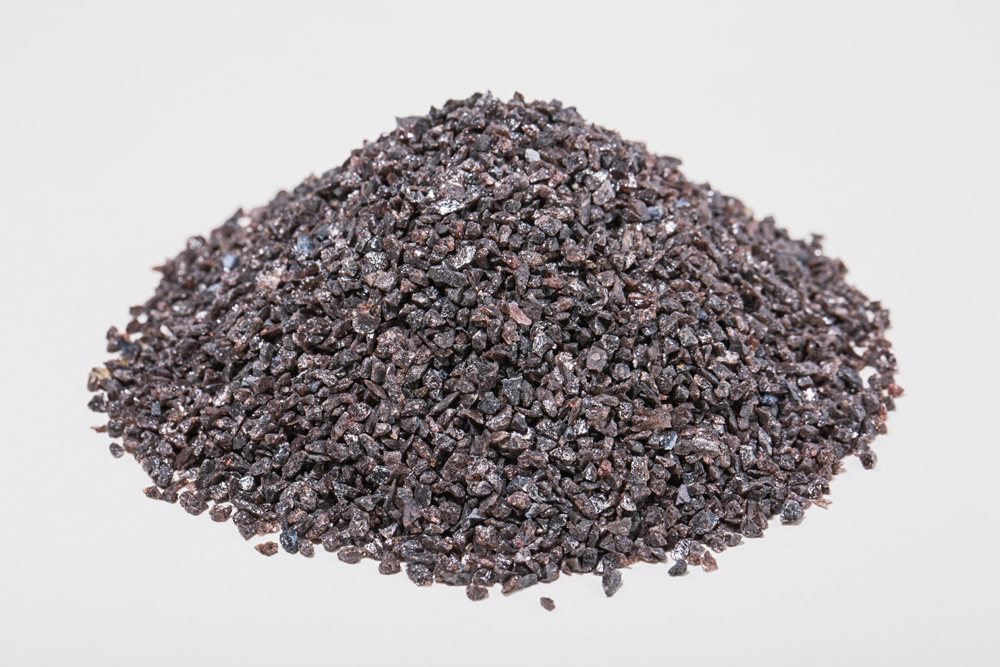
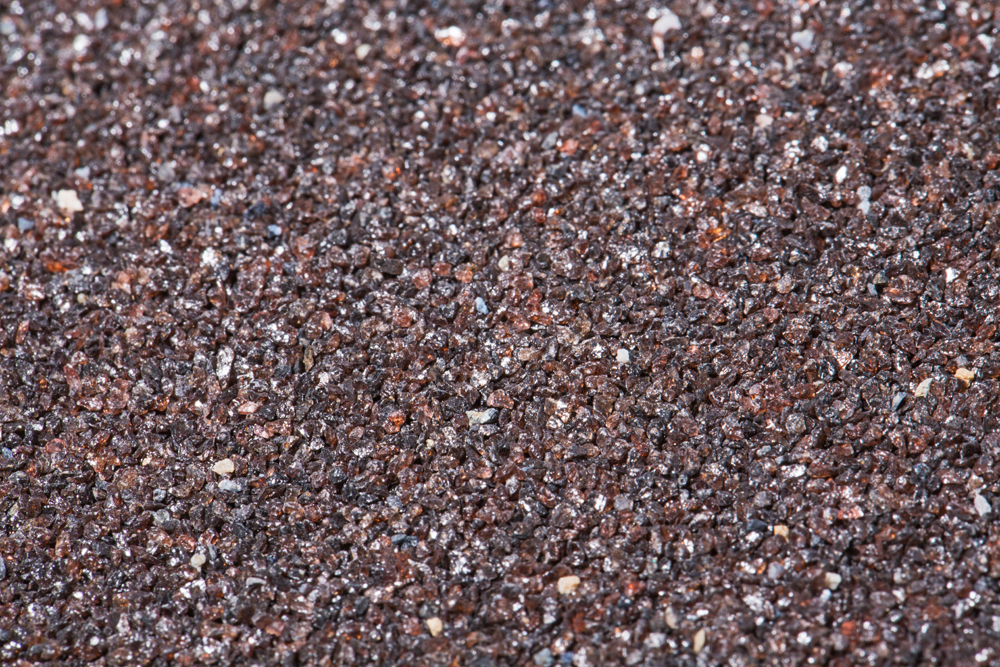
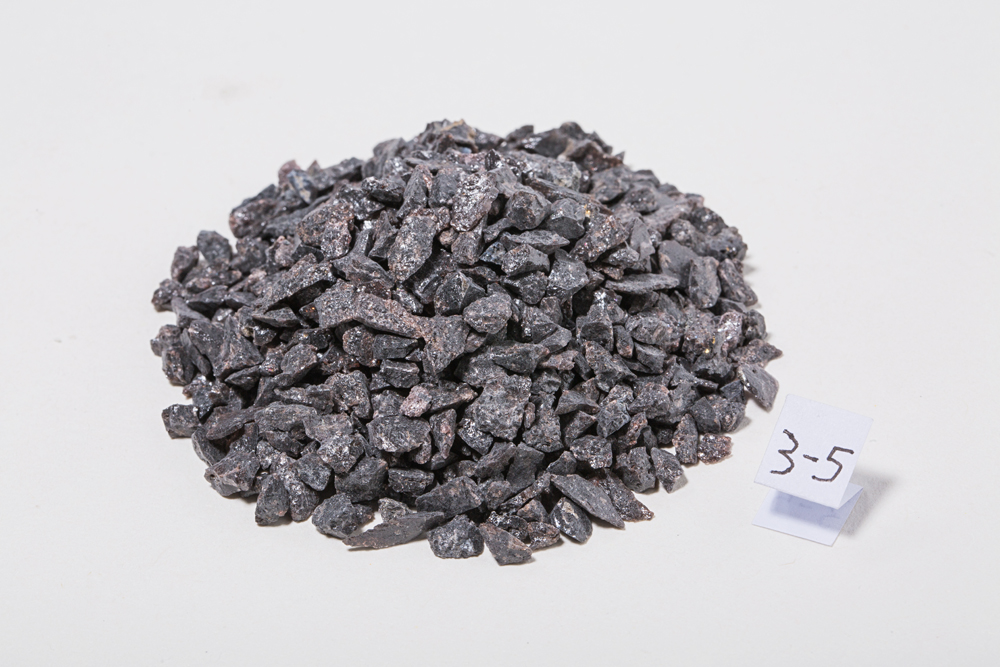
For contractors blasting in a room or cabinet with reclaim, brown fused alumina earns its place on the cost table: a hard, angular grain that cuts fast and survives reclaiming, its profile consistent from the first pass to the last. It is the same grain supplied as the F grit series, in sizes matched to the profile you need.
Costing a blasting job now? Start with the trial, not the quotation. Send us the grade and grit size, quantity, packing and destination port, and Luoyang Naibao New Materials Co., Ltd. will quote against the specification you need — then run the table with your trial figures and let the cost per square metre decide.