TECHNICAL GUIDE / 2026-11-09
Why the Cheapest Brown Fused Alumina Offer Is Cheap: Compliance, Blending and Loose Specifications
Three suppliers quote you the same thing on paper — F46 brown fused alumina, 95% grade — and one offer comes in far below the other two. The words match, the price does not. Before you take the saving, ask what the low price left out. A grain price is not a single number. It is the material, the testing that proves what it is, the sizing work that keeps it consistent, and the paperwork that travels with it. When one is missing, the quote gets cheaper — and the cost moves onto your production line.
Our earlier walkthrough of what a brown fused alumina quotation is made of explained the honest version; this one explains the cheap version — and how to spot the difference before the grain arrives.
The Testing That Never Happened
Every batch should carry proof of what it is: a batch test report listing alumina content, magnetic content and sieve analysis, measured on that batch, not copied from a catalogue. Running those tests costs laboratory work and retained samples. A supplier that ships without batch testing can quote lower simply because it never paid for the verification — and without a report, nothing can be checked.
So ask first: will every delivery come with a batch test report you can check line by line? Our guide to reading a batch test report before you buy shows which lines matter. If a supplier cannot produce a report for the batch you are buying, the grade on the quotation is a promise without evidence.
The same applies to the documents that travel with the shipment — safety data sheets, packing lists and labels traceable to the batch. Skipping them is another quiet saving. Ask what documents arrive with the goods, and check the batch number on the label against the one on the report.
Blending: When the Label Is an Average
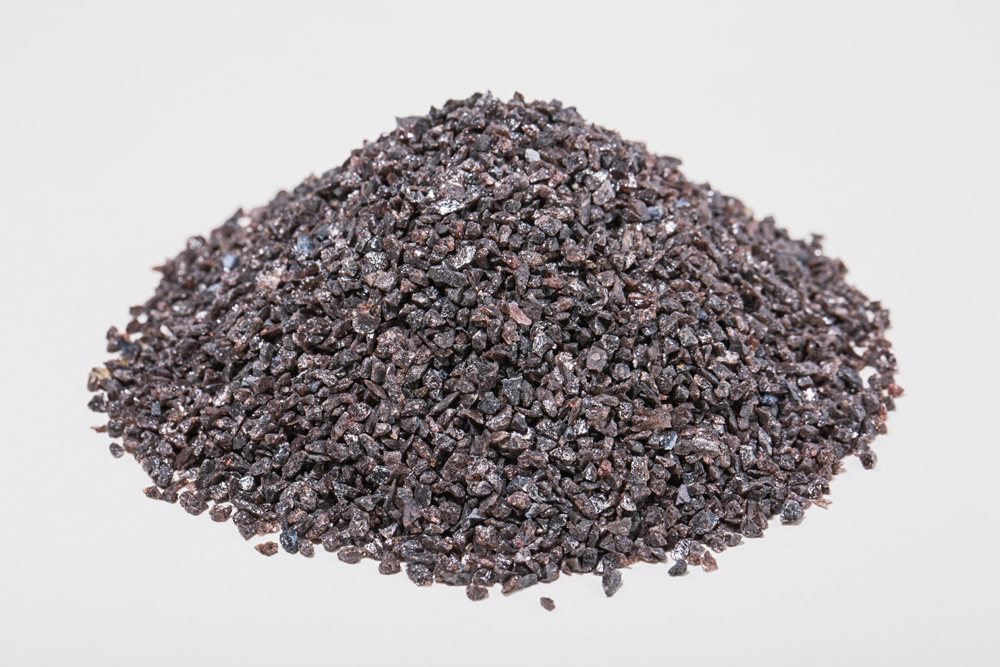
Brown fused alumina is made by fusing bauxite in an electric arc furnace, and graded by alumina content. A headline figure such as 95% can hide a lot. One way a low offer is produced is by blending: lower-grade material mixed into a lot so the average still reads as the quoted grade, while the real spread of chemistry inside is wider than expected.
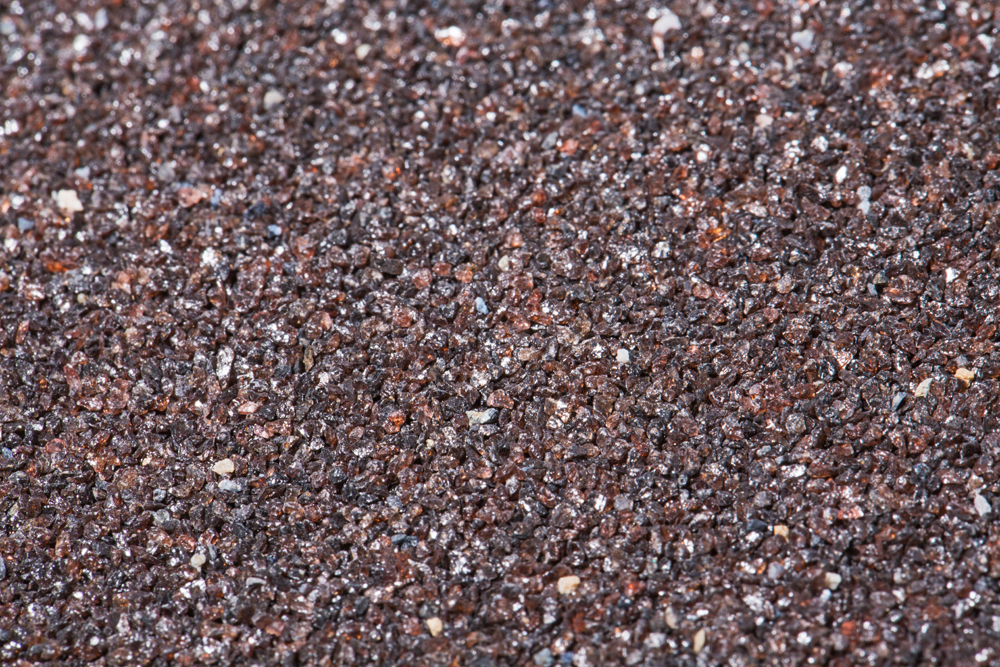
The problem is not the average; it is the variation. Two lots can show the same headline chemistry and behave differently, because particle shape, fines content and magnetic content are not captured by that one number. A wheel maker sees it as inconsistent cutting and extra dressing; a blasting contractor sees it as uneven finish and faster media consumption. Grain shape matters as much as chemistry, and blending widens exactly the variables a headline number cannot see — see our guide to particle shape evaluation.
You cannot detect blending from a quotation. You detect it by asking for the full test report, not just the headline grade, and by running a labelled sample through your own process before committing to bulk. Our F46 product page lists the A-grade specification for that size — alumina at 95.00–97.50% alongside its magnetic content limits — so you can see what a complete specification looks like.
Loose Sizing: A Grade Is a Range, Not a Point
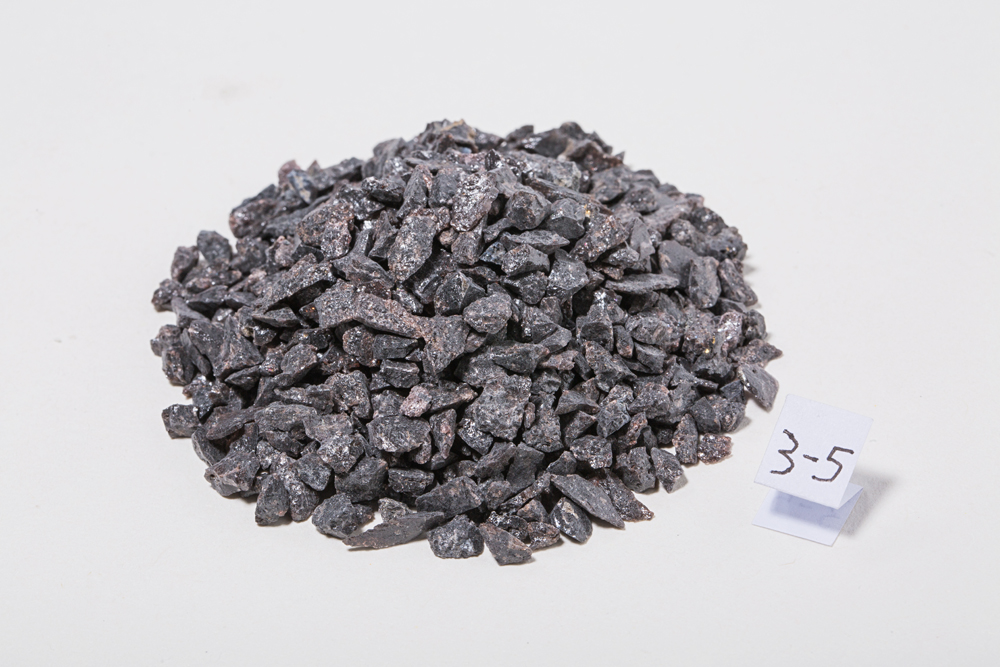
A FEPA grade such as F46 is not one exact particle size; it is a range with defined distribution limits. That range is where the third saving hides. A lot can carry the right grade number while its distribution runs wide — too much oversize, too much undersize — if the quotation never states the limits and no sieve analysis is asked for.
Oversize grains scratch a surface meant to be smooth. Undersize dust clogs nozzles, loads belts, and disappears as waste. In a grinding wheel, a wide distribution dresses unevenly and wears faster. None of this shows up in the price per tonne — only in rework, dressing time and media consumption, the costs we broke down when comparing brown fused alumina with steel shot by cost per square metre, not per tonne.
The fix is to put distribution limits in the order, not just a grade number, and to ask for the sieve analysis with the delivery. The F grit series page shows how grades are organised, and a proper specification pins the grade to its limits.
What the Saving Pushes Onto You
A cheap offer does not remove cost; it relocates it. The buyer pays in rework when a blasted surface has to be done twice, in wheel dressing when a wheel cuts unevenly, in re-testing every delivery that arrived without a batch report, and in line stoppage when a bad lot is found mid-production. For a blasting contractor, the honest comparison is cost per square metre finished, not price per tonne; for a wheel maker, cost per wheel that passes inspection.
The lowest offer is not always wrong — but it needs the most checking, because the gap has to come from somewhere: testing skipped, material blended, sizing left loose.
Five Checks Before You Buy on Price
1. Ask for the batch test report — and read it. Every delivery should carry one, checked line by line against the agreed sheet: alumina content, magnetic content, sieve analysis. A report that arrives late, or never, is an answer in itself.
2. Put distribution limits in the order. Write the grade, the oversize and undersize limits, and the test method. Without limits in the order, a delivery cannot fail them, and wide grain gets accepted by default.
3. Test a labelled sample in your own process first. A sample approved on your line is the cheapest insurance — see our guide to evaluating a supplier.
4. Check the paperwork trail. Labels, packing lists and safety data sheets should trace back to the same batch number as the test report — see our export packing and labelling guide.
5. Compare quotations on the same five parameters. Grade, grit size, quantity, packing and destination port — the same five items we ask every buyer for in our buyer FAQ. Two offers can only be compared when both state all five.
A Better Way to Read a Low Offer
A low price is information, not a verdict. Sometimes it reflects a genuine advantage — a producer close to its raw material, an efficient furnace, a full container instead of a part load. More often it reflects something left out. The five checks above take a day and cost nothing; they turn a cheap offer into a safe one, or into a polite decline.
At Luoyang Naibao New Materials Co., Ltd., every shipment of our brown fused alumina F grit series and our sandblasting grain leaves with its batch test report, labelled and traceable to the batch, with samples available before bulk orders. If you are comparing offers, send us the grade, grit size, quantity, packing and destination port — we will quote on the same five parameters.